

Non-Sterile Consumables

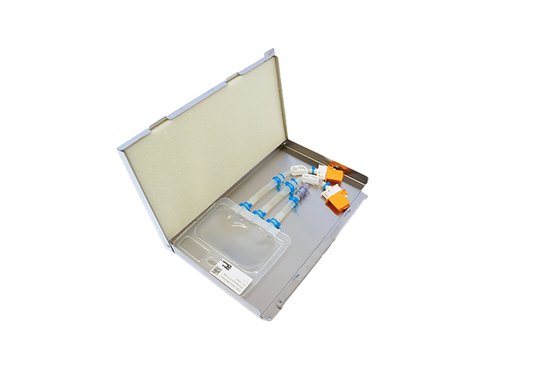
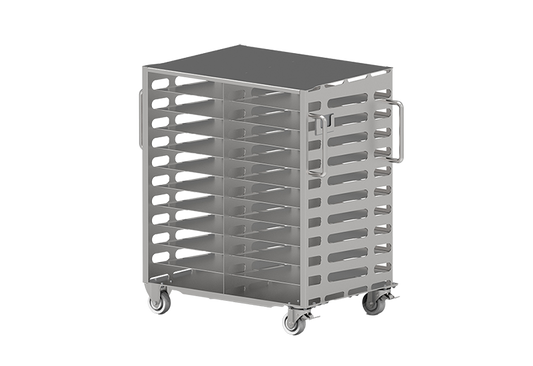
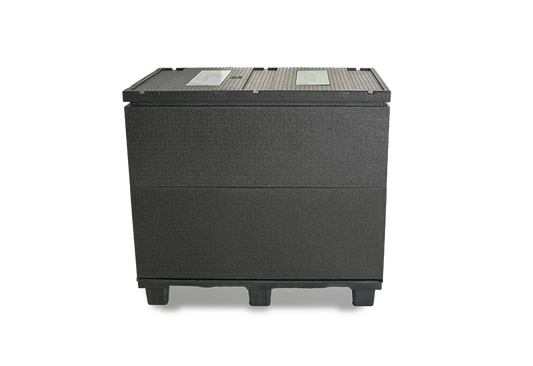
The comprehensive range of non-sterile consumables provides protective secondary and tertiary packaging, shipping and transport solutions for drug discovery, bioprocessing, and analytical testing. As a trusted supplier of high-quality products, Single Use Support understands the importance of protecting sterile single-use consumables, such as bioprocess containers, used in research, development, and manufacturing processes.Explore our exceptional selection of non-sterile consumable products including our protective RoSS® shells for single-use bags of all types and sizes, cold chain shippers, totes for 3D bags and transport trolleys.

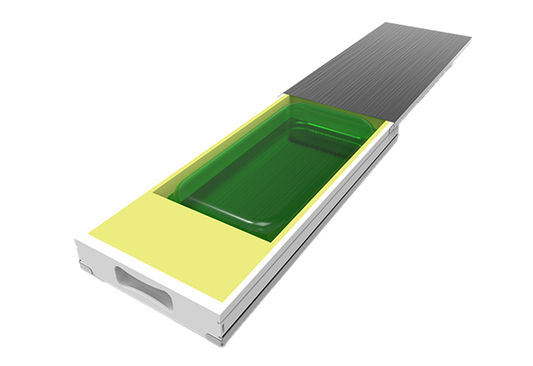
A top-view image of a frozen single-use bioprocess container protected by a RoSS Shell.

Our customers trust in us:

Preview of Single Use Support's whitepaper about robust secondary packaging RoSS shell

RoSS® shell: Advanced cold chain management - Whitepaper

The RoSS® shell offers a robust & safe protection for bioprocess containers of any size and vendor during freezing, transportration, storage & thawing. With more than 300,000+ RoSS® shells sold worldwide, the RoSS® shell provides a tamper-evident, contamination-free system. The perfect composition for robust storage & shipping for all 2D single-use bags.

Downloads

Preview of datasheet for RoSS shell by Single Use Support

Datasheet

RoSS® shell - Datasheet

RoSS® shell - Datasheet
 
Recycling guide for RoSS shell - Single Use Support

Guide

RoSS® Shell Recycling - Guide

RoSS® Shell Recycling - Guide
 
  • Fast delivery

    We offer shortest lead times - even for customized solutions to protect single-use bags or bottles.

  • 100% Protection

    Product loss due to manual handling errors or an unreliable cold chain can be avoided. Our line of protective shells for single-use bags and cold chain shippers provides maximum protection and safety for your drug substance.

  • Process flexibility

    All our non-sterile consumables are vendor-agnostic and can be combined with every available bioprocess container on the market.

  • Unrestricted scalability

    The RoSS® Shell is available for all 2D single-use bags with volumes from 10mL up to 50L.

  • Blocking UV Light from Biopharmaceuticals

    [[ToC]] Shedding UV light on single-use bags The biopharmaceutical manufacturing sector is undergoing rapid transformation, with single-use technology becoming a fundamental aspect of efficient and safe production. Among the various components utilized in this process, single-use bioprocess containers are crucial. New on the market are those that are designed to block ultraviolet (UV) light, which promise to safeguard sensitive biopharmaceutical products from the harmful effects of ultraviolet radiation during both storage and processing. Exposure to UV light can lead to degradation of some biologics. This degradation can result in reduced efficacy and potential safety concerns. By utilizing cold chain packagings that effectively block UV light, manufacturers can maintain the integrity and quality of their products throughout the entire bioprocessing chain. This article will help you understand when to consider UV-protective single-use bags, their benefits and how they contribute to the overall success of production processes. What are UV-sensitive biopharmaceutical products? The sensitivity of biopharmaceuticals to UV light can vary based on their chemical structure, formulation, and packaging. Here are some common products known for their UV light sensitivity: Monoclonal Antibodies (mAbs): These therapeutic agents are particularly vulnerable to UV light, which can cause structural changes and aggregation. Such alterations can compromise the integrity of mAbs, leading to decreased efficacy and safety concerns. [[1]] Recombinant Proteins: Like mAbs, recombinant proteins are also prone to denaturation and loss of biological activity when exposed to UV light. Their specific amino acid composition and structural characteristics make them susceptible to photodegradation. [[2]] Viral Clearance Products: In processes that involve viral inactivation, UV light is sometimes used to eliminate unwanted agents. However, the UV sensitivity of the target viruses must be carefully managed, as overexposure can damage both the viral particles and the biopharmaceutical product itself. [[3]] UV light exposure during biopharmaceutical manufacturing Biopharmaceuticals can encounter UV light at various stages throughout their lifecycle, including manufacturing, storage, transportation, and administration. Here are some scenarios where exposure may occur: Manufacturing and Processing: Certain steps in the production of biopharmaceuticals may involve UV light exposure. For instance, UV light can be used for sterilizing equipment and surfaces in cleanrooms or for inactivating viruses and bacteria during the manufacturing process. Packaging and Storage: If biopharmaceutical products are not adequately protected, they may be exposed to UV light during packaging and storage. Products that are improperly stored or packaged in transparent containers are particularly at risk, especially if they are kept in areas with direct sunlight or artificial UV sources. Transportation: During transport from manufacturing facilities to distribution centers or pharmacies, biopharmaceuticals may be exposed to UV light if they are not properly packaged. This exposure can happen during transit in trucks, planes, or other vehicles, particularly if the packaging lacks sufficient UV protection. Handling and Administration: Healthcare providers or patients may inadvertently expose biopharmaceutical products to UV light during handling and administration. For example, if a vial or syringe is left in direct sunlight or under UV lamps during preparation, it may suffer from UV exposure. How can pharmaceuticals be protected from UV light? There are novel single-use bag films that effectively protect the media or drug product inside from UV light. [[4]] A multilayered polyethylene film is used to enable blockage of both UVA and UVB wavelengths, ensuring that sensitive biopharmaceuticals remain safe from potential UV damage. Available in different sizes from small 100 ml sample bags to larger 2D bags for commercial production, can be applied in different single-use biomanufacturing processes. Single Use Support’s RoSS® shell can safely protect such UV-single-use bags during cold chain applications in all sizes. A protective secondary packaging as such helps to Reduce bag breakages Standardize fluid and cold chain management of single-use bags Maintain product quality during freezing/thawing processes including cold chain storage and cold chain shipping Single Use Support’s tamper-evident secondary packaging solutions hinders UV light from reaching the single-use bag. RoSS.KSET is an example of a stainless steel packaging solution that blocks UV light itself due to its UV permeability. It is designed to protect small single-use bags below 250mL to reduce product loss and maintain quality during cold chain applications. By combining UV-blocking bag films with protective secondary packaging, biopharmaceutical manufacturers can ensure comprehensive protection for their sensitive products throughout the manufacturing process, storage, and transportation. This layered approach is essential for maintaining product integrity, minimizing degradation, and ensuring the safety and efficacy of biopharmaceuticals. ROSS.KSET | Protecting small single-use bags RoSS.KSET offers the protection for drug substances with volumes less than 250 mL. The shell of our CGT bag protection system is robust, closed, safe and sterile – most suitable for cell and gene therapies or clinical studies. For larger volumes, RoSS can protect one or multiple single-use bags in one shell. More information RoSS® Shell | Protecting single-use bags The safest transport solution for all available single-use bioprocess containers. Robust. Scalable. Single-use bag independent. More information IRIS Manifold | Single-Use Assemblies As an expert in single-use solutions, we have made it our goal to deliver vendor agnostic single-use assemblies manufactured at highest quality standards in ISO 7 cleanrooms and sterilized within shortest lead times. Prevent downtime, ensure an uninterrupted supply chain  and meet GMP relevant quality standards with our single-use manifold assemblies using silicone tubing and connectors of your choice. More information IRIS Single-Use Bioprocess Container Innovative. Robust. Individual. Single-Use. Make sure your supply chain is uninterrupted. Get your IRIS 2D single-use bioprocess container from Single Use Support in any size with the fastest possible delivery times. Store and ship anything from cell culture samples to large drug substance volumes reliably and on time. More information   References Du Cheng et al. (2018). "Protection of therapeutic antibodies from visible light induced degradation: Use safe light in manufacturing and storage." European Journal of Pharmaceutics and Biopharmaceutics Kim Jennifer J. et al. (2023). "Trends in Light and Temperature Sensitivity Recommendations among Licensed Biotechnology Drug Products." The AAPS Journal. Meunier Sarah M. et al. (2017). "Evaluating ultraviolet sensitivity of adventitious agents in biopharmaceutical manufacturing." Journal of Industrial Microbiology & Biotechnology MDI (2024). "MDI launches Novel UV Light Blocking Single-Use Bag FIlm". Available at: www.ccubedbiotech.com/news/2024/1/26/mdi-launches-novel-uv-light-blocking-single-use-bag

    READ MORE
  • Transport & Storage of Antibody Drug Conjugates (ADCs)

    ADCs can be described as a rising star among biopharmaceutical products. They are able to specifically target and destroy cancer cells very effectively. Their levels of toxicity can vary depending on several factors, including their specific design and the potency of the cytotoxic drug. This is why safe handling in between facilities is such an important issue and must not be taken lightly. Here, single-use technology - a modular, but most importantly, a closed, sterile system - can offer viable solutions. This is particularly interesting given the growing popularity of antibody-drug conjugates, because: The right solution - one that is flexible and adaptable - can help speed up processes and streamline operations. [[ToC]] Importance of safe storage and shipping of ADCs With ADC manufacturing being such a complex field, most producers or CMOs are highly specialized, be it in the development and production of linkers or the final conjugation process. As a result, potentially toxic substances are often handled through multiple stakeholder and different manufacturers, leading to supply chain challenges related to safe handling,  shipping, and  interim storage. Shipping ADCs safely poses a significant challenge. These valuable compounds must be shielded from temperature variations during freezing storage and safeguarded against leaks at all times. Any loss of product can lead to substantial expenses and pose a risk to staff who may be exposed to hazardous substances. Given the cytotoxicity of the substances they are handling, many CDMOs or CMOs that offer conjugation services rely on single-use technologies for processing and logistics purposes and continue to push for advances in that area. According to a report by Research and Markets, the single-use assemblies market is expected to grow from USD 10.2 billion in 2022 to almost USD 40 billion in 2023. [[1]] How to store Antibody Drug Conjugates? Antibody drug conjugates require proper storage to maintain their stability and efficacy. They should be stored at ultra-cold temperatures ranging from -80°C to -20°C, depending on the specific ADC formulation. It's important to prevent temperature fluctuations during storage and transportation, which can damage the ADCs and affect their potency. Proper labeling and documentation are also essential to ensure the correct storage conditions are maintained throughout the supply chain. Regular monitoring of the storage conditions and appropriate handling during transport are crucial to prevent any product loss or exposure to toxic substances. Single Use Support’s RoSS.ULTF is a ultra-cold storage freezer for antibody drug conjugates (ADCs) that offers a reliable temperature control, which provides precise air temperature uniformity of 1.5°C and wide-ranging set points. This feature ensures that ADCs are stored at optimal temperatures to maintain their stability and efficacy. It can be installed without requiring changes to the existing infrastructure, making it a convenient and practical option for facilities of all sizes. And, RoSS.ULTF has a back-up plan for emergencies, with digital alarming management and long-term temperature holding in case of system failure. This ensures that the ADCs remain safe and effective even in unexpected situations. More about RoSS.ULTF [[download-1]] How to safely ship Antibody Drug Conjugates? As is the case with any API, not only the sensitive but also the valuable - and toxic - nature of ADCs calls for extreme caution during handling. Any breakage of sample containers holding ADCs or their cytotoxic components could pose a serious threat to personnel safety. Secondary Packaging: This is where robust protective containers such as Single Use Support’s RoSS® shell come in handy. Made up of a robust outer sleeve of stainless-steel and a PE frame and an adaptive inner layer of 3D foam, they provide a closed system for the safe transport and storage of high-value and potentially harmful substances. Tertiary Packaging: RoSS.SHIP® is a robust container for cold chain shipping of up to one week. Multiple RoSS shells in different sizes can be loaded into RoSS.SHIP that remain frozen constantly thanks to dry ice or passive cooling. To make the most of available space, the pallet-sized containers are compact and stackable. Thus leading to reduced need for space. In addition, they can be equipped with an optional add-on for smart tracking & tracing that will monitor the container and its contents 24/7. Read more about primary, secondary & tertiary packaging solutions. ADC manufacturing with single-use technology Because it is such common practice for antibody, HPAPI production and final conjugation to be handled at different sites, reliable, safe and secure logistics are not only necessary but a vital part of the process. It is this very step that provides ample room for optimization, both in terms of storage and shipping. Single-use components are ideally suited to construct closed-system supply chain solutions that can be easily adapted and integrated. At the same time, they make do with the need for sterilization and elaborate cleaning processes, concurrently leading to an increase in productivity. It is hardly surprising that the biopharmaceutical industry is increasingly falling back on single-use technologies. Apart from offering a number of benefits such as flexibility, improved efficiency and product quality, bioconjugates manufacturing with single-use technology comes with reduced environmental impact and costs. And costs are a sensitive topic in a field where the value of a single drug dose is still exorbitantly high.  Bioconjugates Manufacturing Solutions References Single-use Assemblies Market Size, Share & Trends Analysis Report by Product (Bag Assemblies, Filtration Assemblies), by Application (Filtration, Storage), by Solution (Customized, Standard), and Segment Forecasts, 2022-2030, https://www.researchandmarkets.com/reports/5665142/single-use-assemblies-market-size-share-and?utm_source=GNOM&utm_medium=PressRelease&utm_code=k9q7zs&utm_campaign=1787624+-+Global+Single-use+Assemblies+Market+Report+2022+to+2030%3a+Widespread+Adoption+Of+Single+Use+Technology+By+CMOS+Presents+Opportunities&utm_exec=jamu273prd, Published 01.09.2022

    Read more
  • Freezing & thawing viral vectors: Best practices

    Viral vectors and specifically Adeno-Associated Virus (AAV) vectors have gained significant prominence in gene therapy and biotechnology research due to their ability to efficiently deliver genetic material into target cells. Proper handling of viral vectors during storage, freezing, and thawing is crucial to maintaining their integrity and efficacy. In this article, we will explore best practices for preserving viral vectors, ensuring their stability, and maximizing their potential for various applications. Freezing Platform for viral vectors [[ToC]] Why proper freezing & thawing matters AAVs and other viral vectors are sensitive to environmental conditions, and uncontrolled handling can lead to degradation, loss of infectivity, and reduced therapeutic efficacy. Using controlled-rate freezing & thawing solutions help ensure can help ensure the reliability and success of applications with viral vectors. Optimal temperature ranges for AAVs Maintaining precise temperature control is vital for the stability and functionality of viral vectors. Viral vectors are best stored at ultra-low temperatures, typically at or below -80°C. This recommended temperature applies to the long-term storage of all viral vectors, such as adeno-associated viral vectors (AAVs), adenoviral vectors (AVVs), lentiviral vectors (LVVs) or retroviral vectors (RVVs). Frequent freeze-thaw cycles should be avoided whenever possible. Each freeze-thaw cycle can lead to a reduction in AAV vector titer and infectivity, so it's essential to plan ahead and aliquot samples appropriately. Storage at -20°C to +4°C is only recommended for short-term use. During processing in the laboratory, it is important to keep temperatures at a constant level. This makes it clear that viral vectors must be frozen at ultra-low temperatures on their way to the next production site or final use. Best practices to do so, are presented in the following chapters.[[1]]  Best practices to freeze viral vectors Effective techniques for freezing viral vectors such as adeno-associated virus vectors can mean the difference between successful experiments and compromised results. In this chapter, we offer best practices for viral vector freezing, highlighting proper pre-freezing preparation, such as aliquotation of single-use bags or medical devices and actual freezing techniques using plate freezing. As industry experts in the field of freezing drug substances, we specialize in providing customized solutions based on single-use technology, that facilitate the seamless scaling of the freeze-thaw process seamlessly from clinical studies to large-scale production. Aliquotation in samples Aliquotation is a necessary practice for several reasons. Dividing a viral vector stock into smaller aliquots helps minimize the number of freeze-thaw cycles, a critical factor in maintaining vector stability and efficacy. A recommended approach is an automated closed filling process based on single-use systems. Closed systems like Single Use Support’s RoSS.FILL for small volumes eliminate the risk of external contamination, ensuring the integrity of the viral vectors throughout the aliquotation procedure. Read more about best-practices in filling viral vectors in the article about aliquotation and homogenization of viral vectors. Plate freezing Plate freezing proves to be a best practice to freeze viral vectors and specifically to freeze AAV, when they're filled into single-use bags. It relies on direct contact with cooled surfaces, typically metal plates. One of the most notable advantages of plate freezing is its precision in freezing. By adhering to specific setpoints for product-tailored freezing, plate freezers empower GMP facilities with standardization and reproducibility of freezing kinetics. This level of control is indispensable in maintaining the consistent quality of AAVs. Moreover, plate freezers enable rapid and controlled freezing, a critical factor in reducing the occurrence of cryoconcentration. Cryoconcentration results in the emergence of crystals and ingredient separation over time. Rapid plate freezing mitigates this issue by promoting high homogeneity in liquids. Cost-efficiency is another advantage of plate freezing technology, primarily due to its lower energy consumption. Rather than cooling the surrounding air, plate freezing systems ensure that items come into direct contact with cooled stainless steel surfaces. As highlighted in the interview with our expert Alexander Fuchs, advanced solutions are also prone to sustainability in freezing: Sustainable freezing in biopharma.  We furnish both our plate-based freeze and thaw platforms along with our ultra-low temperature storage freezers with natural gases.Alexander Fuchs Single Use Support acknowledges the benefits of plate freezing for biologics and offers a comprehensive range of freeze-thaw platforms, including various sizes of the RoSS.pFTU. For laboratory work and lower volume freezing of AAVs, the RoSS.pFTU Mid-Scale is the recommended variant, as it can be used to freeze small single-use bags in the small single-use shell (volumes less than 250mL) as well as several large single-use bags. Best product stability results are provided for viral vectors up to 100L.  RoSS.pFTU Mid-Scale Efficiency improvements with single-use technology Single-use bioprocessing is a best practice when it comes to freezing Adeno-Associated Virus vectors, with a focus on enhancing efficiency. Single-use technology offers advantages, including easy scalability, heightened efficiency, and reduced margin for errors. Single Use Support offers single-use bags designed to be frozen within their respective single-use shells, amplifying the benefits mentioned before. Scalability is streamlined as single-use systems can be effortlessly adjusted to accommodate varying batch sizes, spanning from laboratory-scale experiments to large-scale production. This adaptability not only enhances efficiency but also minimizes production downtime. Read more: Adeno-associated virus production and efficiency improvements with single-use technology [[download-1-email-detailed]] Best practices to thaw viral vectors Just as precise freezing, thawing viral vectors demands the same attention to detail. A best practice in this regard involves controlled and consistent thawing, performed with the plate-freezing platform. Thawing with Single Use Support’s plate-based freeze thaw platform facilitates gentle and uniform heat transfer between the frozen viral vectors and the surrounding environment, minimizing the risk of damage and ensuring the vectors' stability and efficacy. End-to-end solutions for safe handling of AAVs In preserving AVV vectors and other viral vectors, Single Use Support positions itself as experts in this field, providing end-to-end cold chain solutions that take advantage of single-use technology in the context of plate freezing and ultra-cold storage. These solutions are not only highly efficient but also fully compatible with current Good Manufacturing Practices (cGMP). With closed, automated processes, scalable platforms, and sophisticated monitoring, the best-in-class process solutions ensure the integrity and reliability of viral vectors throughout their lifecycle, from freezing and storage to thawing. Freeeze-Thaw Platform for Viral Vectors References UNC Vector Core: Safety & Handling, https://www.med.unc.edu/genetherapy/vectorcore/safety-handling/, Published 20.09.2023

    READ MORE

Send a request