Works as standalone or is controllable over HMI of filling platform
Automated stroke depth
Depending on the bag used, and adjustable stroke frequency (30 to 60 strokes/minute)
Integrated cooling/heating function
For temperature-control during filling, e.g. with cell-based applications
Bag & connector agnostic
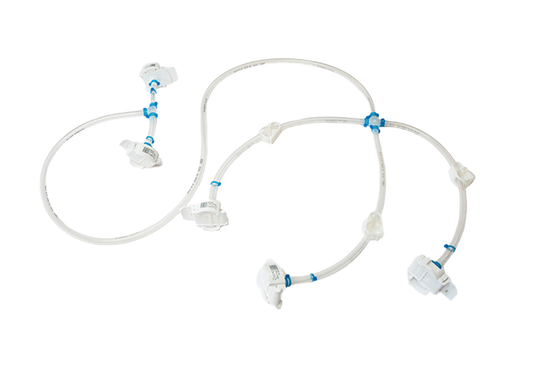
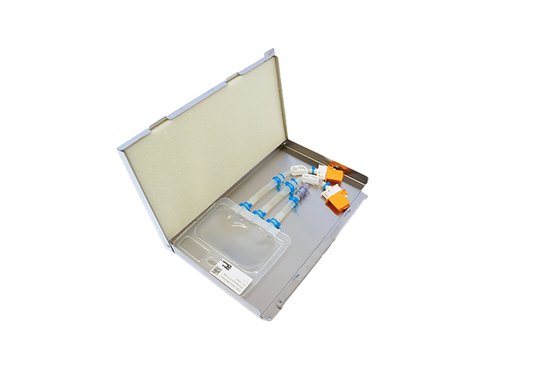
All single-use components to be added as assembly setup
Suitable for cleanroom
GMP-ready construction
Fluid management process integration
Seamless integration into end-to-end solutions from Single Use Support
Scalable
Multiple cooling/heating and kneading mechanisms can be placed side by side to scale-up with one control system.
Cool and Gentle Bag Homogeneity
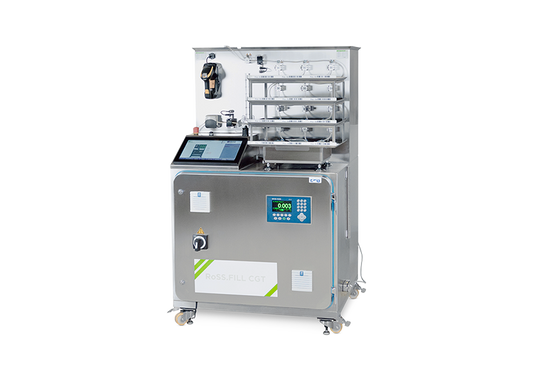
RoSS.PADL is a scalable massaging and mixing system for achieving a uniform mixture in single-use bags.
With integrated cooling and heating, it maintains optimal temperatures consistently. This makes it well suited for applications such as cell & gene therapies or seed train intensification, where it helps to maintain cell counts across different single-use bags.
RoSS.PADL: cool your fluid & generate homogeneity
RoSS.PADL is a homogenizing platform that standardizes the cooling & heating of single-use bags while gently kneading it to ensure a homogeneous mixture of cells. In addition, the biocontainer can be filled during the process and completely emptied due to the slope. Furthermore, multiple RoSS.PADL units can be seamlessly arranged side by side and controlled with a single unit, enhancing efficiency and productivity.
In some instances, human intervention is used to massage the bags during draining. With RoSS.PADL this is no longer necessary. With the RoSS.PADL multiple cooling and massaging mechanisms becomes automated, reproducible and therefore standardized. Bags can be placed side by side with one control system to increase process efficiency.
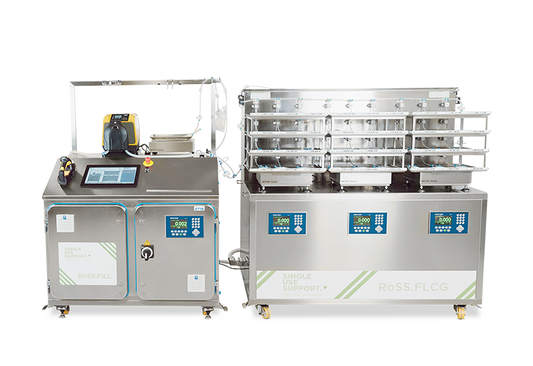
RoSS.PADL provides a further solution within the Single Use Support end-to-end process and is controllable with the RoSS.FILL Fill & Drain Platform.
Our customers trust in us:
Downloads
Datasheet
RoSS.PADL - Datasheet
Please fill out the form below to download this file.
As an expert in single-use solutions, we have made it our goal to deliver vendor agnostic single-use assemblies manufactured at highest quality standards in ISO 7 cleanrooms and sterilized within shortest lead times. Prevent downtime and ensure an...
Fully automated aseptic filling platform at smallest footprint with state-of-the-art technology for highest accuracy to fill up to 12 single-use bags in standard configuration. RoSS.FILL Lab Scale is therefore most suitable for filling small volum...
RoSS.FILL CGT is a fully automated aseptic cell filling and viral vector filling system that allows multiple small single use bags to be filled simultaneously. With its high filling accuracy, the system is special designed for use in cell & ge...
RoSS.KSET offers protection for small single-use bags. Most suitable for small batch sizes. Smart protection for single-use bags with volumes less than 250 mL in cell and gene therapy or clinical studies.
Who can relate to the situation when every cell aliquot is different? That's why cell homogenization and aliquotation are important requirements in modern cell biology research, relevant for scientists and laboratory staff. Scientists and process engineers benefit from uniform cell distribution throughout multiple single-use bioprocess containers for cell banking or other bioprocessing steps.
It is of utmost importance to have a consistent cell count per aliquot into every bioprocess container, such as a single-use bag, ensuring consistency and accuracy in downstream analysis.
In this article, we will showcase the significance of cell homogenization, and introduce the innovative RoSS.PADL homogenizing solution from Single Use Support. The seamless connection to the filling platform exemplifies the integration of homogenization and automated dispensing that drive scientific progress.
[[ToC]]
Homogenization in cell biology
Homogenization is a fundamental technique in cell biology research, used to obtain a uniform mixture of cellular components in cell banking. In the context of cell banking, homogenization plays a critical role in ensuring consistent and accurate cell distribution in every sample. The ability to precisely fill the same number of cells into each bioprocess container, is of great importance in maintaining reproducibility and reliability throughout analysis and production processes.
Cool & Gentle: Homogenizing solution
The homogenizing solution from Single Use Support is RoSS.PADL, a platform that guarantees a homogenous mixture of cells within single-use bags. It ensures the uniform distribution of cells in every sample and a homogenous mixture within the sample. This is a critical factor in preventing deposits, particularly when dealing with substances like yeasts.
RoSS.PADL employs gentle kneading and precise cooling mechanisms to achieve a thorough and well-balanced blend. This advanced system eliminates the need for manual bag massage, automating the process for higher efficiency and reduced human errors. This enables standardization and easy scalability of the process.
Compatible with diverse bag types and manufacturers, RoSS.PADL maintains fluid consistency through adjustable massaging and a cooling plate, ensuring optimal temperatures before filling.
RoSS.PADL employs gentle kneading and precise cooling mechanisms to achieve a thorough and well-balanced blend. This advanced system eliminates the need for manual bag massage, automating the process for higher efficiency and reduced human errors. This enables standardization and easy scalability of the process.
Compatible with diverse bag types and manufacturers, RoSS.PADL maintains fluid consistency through adjustable massaging and a cooling plate, ensuring optimal temperatures before filling.
Seamlessly integrating with other RoSS devices, this solution offers a comprehensive approach to single-use processes.
[[download-1]]
One example: Homogenization & aliquotation of CHO cells in single-use bags
CHO cells are a widely used cell culture in bioproduction for the manufacturing of therapeutic proteins, vaccines, and other biopharmaceuticals. Ensuring consistent and accurate cell distribution is crucial for maintaining reproducibility and product quality. The integration of cell homogenization and automated aliquotation solutions becomes instrumental in achieving these goals.
Seamlessly integrating with other RoSS devices, this solution offers a comprehensive approach to single-use processes.
RoSS.PADL homogenizing solution standardizes cooling and kneading of the single-use bags, ensuring a uniform mixture of the CHO cell suspension. By automating the process, the risk bag breakage or uncontrolled warming of the liquids due to human error is minimized, and scalability is achieved for multiple bioprocess containers in parallel.
The innovative design of RoSS.PADL ensures that the correct temperature is maintained during the filling process. The integration with the RoSS.FILL Fill & Drain Platform further enhances the efficiency of the entire process, providing a seamless end-to-end solution for cell homogenization and automated aliquotation.
Homogenization with RoSS.PADL
In cell and tissue therapies, living cells are used to treat previously chronic diseases, like cancer forms, arthritis, or certain autoimmune disorders. To be effective, the living therapeutic product requires administration with a sufficient cell number at a high cell viability and functionality. Freezing of cells during cryopreservation attempts to target those quality requirements by simultaneously ensuring a prolonged shelf life of the starting material as well as the final therapeutic product. This provides greater flexibility for patients and during the manufacturing process. Cryopreservation accompanies the entire manufacturing and logistics process of Advanced therapy medicinal products (ATMPs) and thus has an immense impact on the therapeutic success and safety of the product. [[1]]
Cells and tissue therapies that are currently approved, originate from a variety of cell types like dendritic cells, chimeric antigen receptor T (CAR-T) cells, haematopoietic stem cells, fibroblasts, chondrocytes, limbal stem cells and adipose-derived stem cells. [[1]] Due to the variety of cell types as starting material and their different optimal conditions during bio-cryopreservation, each cell and tissue therapeutical product requires its own specific and coordinated cryopreservation workflow to maintain the viable recovery and therapeutical efficacy. [[2]]
[[ToC]]
Fluid and Cold Chain Management of ATMPs
Unlike centralized manufacturing of large identical batches, autologous ATMPs are patient-specific with one batch of cell product, and distant manufacturing sites [[3]] making them incompatible with typical supply chains. Starting material and the final product forming a cryogenic cold chain. This chain ensures the integrity of materials during transportation, storage, and thawing, completing the autologous ATMP supply chain. The process involves patient assessments, cell collection, cryopreservation, transportation to the manufacturing site, manufacturing and manipulation, transportation, and final thawing at the clinical site, before final administration. [[2]]
Cryopreservation offers scheduling flexibility, minimizes logistical risks, and allows for timing that best suits the patient. Additionally, it provides benefits such as accommodating delays and eliminating time constraints for initiating manufacturing. All that mentioned therapeutic advantages can be attributed to an increased shelf life of the therapeutic product. [[4]]
Increasing ATMPs shelf life
At the very early stage in the ATMPs supply chain, as soon as cells are removed from their natural environment, they start to lose function. Keeping somatic cells outside the body viable and functional active for an extended period can be carried out by different approaches. One strategy is to mimic the cells natural condition within a controlled aseptic system to enable all cell relevant functions (metabolism, expression, signalling & transport). Most cell types (except cancer cells) can be ex-vivo cultured for a limited number of passages until the cells loses proliferative potential and accumulate mutations.
Keeping Cells Alive Outside Their Comfort Zone
Cryopreservation follows an opposite approach and attempts to shut down metabolic activity completely, at temperatures below -130°C. Compared to cells undergoing cryopreservation, cells in the cell culturing setting live a quite comfy life; with steady temperatures at around 37°C degree, sufficient oxygen, continuous fresh media, and even their waste gets removed. On the opposite, cryopreserved cells must deal with extreme conditions like ice crystals that are going to punctuate their cell membrane, severe dehydration due to freezing induced osmosis, and cell toxic cryoprotectants (especially at ambient temperature).
Exposing cells to such conditions might seem counterintuitive on the first glance, thereby cryopreservation must be seen under the light of arresting biological degradation and conserving cellular functionality by immobilizing water through freezing. The objective of an optimal cryopreservation strategy is to deactivate (put on hold) degenerative cellular pathways and preserve proliferative potential by reducing the temperature below –130°C, this halts molecular transport, allowing cells to enter a state of "suspended animation" without compromising the quantity, quality, viability, and recovery of cells. [[2]]
"Cryopreservation must be seen under the light of arresting biological degradation and conserving cellular functionality by immobilizing water through freezing."Khalil Essani
Biophysics of freezing cell therapeutics
In order to understand cryopreservation and the role of cryoprotectants, it is necessary to look at the biophysical behaviour of water in a cellular context.
Water molecules have a dipole nature due to their OH-group, that is engaged in braking and reforming of weak bonds. As water is cooled, molecules get closer to each other, and the breaking of bonds diminishes. Upon reaching a critical point in local thermal conditions, known as the phase transition, hydrogen and oxygen molecules start forming sufficient H-bonds (4 hydrogen bonds), reorganize in a more space demanding hexagonal structure and initiating the creation of an 'ice embryo' through a process known as ice nucleation. [[5]]
The formed ice crystals lead to a reduction in the free water available for cellular processes. Water molecules that normally are involved in the solvation of (salts, proteins, lipids, sugars) molecules, getting removed from the hydration shells of the solute molecules, while joining the formation of ice crystals. Consequently, the solutes within the solution become more concentrated as water is locked in the ice lattice. This results in water efflux (transport out of the cell) to establish osmotic equilibrium within the cell. Especially during slow freezing more time for water removal out of the cell is provided, resulting in increased cell dehydration (cell shrinkage). During cryopreservation, the drop in temperature typically induces extracellular ice formation, except in cases of rapid freezing. In a rapid freeze protocol, a cell struggles to establish equilibrium with the external environment due to the rapid formation of extracellular ice, which limits the continuous water transport from inside the cell to the extracellular environment. Consequently, the cytoplasm becomes increasingly super-cooled (higher solute concentration, decreases freezing point), elevating the likelihood of nucleation and subsequent intracellular ice formation. [[5]]
An effective cryopreservation strategy aims to prevent intracellular ice formation during the transition from the aqueous phase to the ice phase. Success in cryopreservation hinges on achieving the glass transition temperature (-123°C), wherein the liquid transforms into a solid state, without compromising the quantity, quality, viability, and recovery of cells.
The role of cryoprotectants in cell freezing
Cryopreservation has the potential to induce various cellular injuries (f.e freezing induced increase in osmolarity, physical punctuation), which may result in adverse alterations in cell morphology, characteristics, proliferation ability, and function. To reduce the effects of ice crystal injuries, and osmotic injuries, cryopreservation protocols usually incorporate cryoprotective agents (CPAs). These agents operate through diverse mechanisms, such as lowering electrolyte concentration and hindering ice formation by forming hydrogen bonds with water molecules, thereby preventing their association with ice crystals.
The general chemical structure of a CPA contains a polar group, by which it interacts with the water molecules through forming hydrogen bonds. The hydrogen bonds between the cryoprotective agent and the water molecule are stronger than the water-water molecule interaction (hydrogen bonds). In other words, the cryoprotective agent attracts water molecules and thereby removes free water molecules that otherwise would be accessible to form tight water-water molecule interaction, that are needed for critical sites for crystal nucleation. [[6]]
Read more: Evaluating freeze-thaw processes in antibody production
Permeating agents vs. Non-permeating agents
Permeating cryopreservation agents are highly water soluble at low temperatures, contain a polar group that facilitates interaction with the OH-group of water, are of amphiphilic and have a small size (100 da) to diffuse through the cell membrane. The permeating feature enables the CPA to remove water from the intercellular space, and thereby supressing the ice formation inside the cell. Furthermore, a good permeating cryoprotectant, should balance osmotic imbalances and should be low toxic to the cell. The most common permeating CPA include, DMSO, ethylene glycol, propanediol, glycerol. All of them are of small size and contain a hydrophilic as well as hydrophobic feature (giving them an amphiphilic property) that enables easy transport along the amphiphilic cell membrane. [[6]]
Non-permeating CPA are macro molecular cryoprotectants that include sugars, polymers, and proteins which are excluded from transportation across the cell-membrane, either due to their large size or their polarity nature and the lack of an adequate transport system. [[7]] There function is also based on attraction of water through highly polar groups. They can be dimers, trimers, or polymers. Some common non-permeating CPA are polyethylenglycocol (PEG), polyvinylpyrrolidone, raffinose, sucrose, trehalose. There are approaches, that for non-permeating agents, like trehalose, the cell is genetically modified to express a trehalose transporter to allow transport across the membrane.
More about types of CPAs
Challenges in Adding Cryoprotectants
Cryoprotectants are critical in facilitating successful cryopreservation techniques. Nevertheless, they impose two principal risks for biological samples:
Cytotoxicity and
osmotic shock associated with their introduction or removal
Non-penetrating CPA are usually less toxic than penetrating CPA, but also less effective. In practice, usually a combination of both is applied, to control water efflux and attract water molecules. Though penetrating CPA are quite small, they still require a certain time to diffuse inside the cell and establish a chemical equilibrium. To allow sufficient internalization of intracellular CPA, the cells are typically incubated with the CPA for a couple of minutes, depending on the specific cell type. Notably, in the case of dimethyl sulfoxide (DMSO), cytotoxicity exhibits a temperature-dependent behaviour, necessitating its incremental addition to a pre-chilled sample. [[7]]
The setup of a cooling and homogenizing cells prior to aliquoting and freezing helps to extend the window to prevent damages to cells. RoSS.PADL and RoSS.FILL CGT are such examples where cells are cooled and kneaded simultaneously to facilitate a cell aliquotation with consistent cell counts from bag to bag (see image below).
Furthermore, the time between addition of cryoprotectant and cryopreservation should be minimised to limit any cytotoxic effects, but long enough to allow CPA internalization. The same has to be considered during thawing, in which the contact time between the CPA and the cells should be reduced during ambient temperature to a minimum. Following cryopreservation, apoptosis and necrosis typically manifest within 6 to 24 hours during post-thaw culture. This leads to a substantial decline in cell viability and compromised cellular function due to the cryopreservation process. The dysregulation of biochemical pathways after cryopreservation varies among different cell types, underscoring the importance of adopting a "cell-type dependent" approach. Existing literature indicates that T-cells, for instance, experience apoptosis after cryopreservation, with approximately 40% of cells undergoing apoptosis 8 hours post-thaw, followed by extensive cell death. [[8]]
Regulatory Challenges with Croyprotectants in ATMP Cryopreservation
Enhancing ATMP Cryopreservation - An Outlook
The past has shown that there is the continuous attempt for updating and harmonization of guidelines and standards. In the future a focus on stability studies to determine the shelf life in an adequate and meaningful way will be introduced and aligned. Such actions can significantly reduce the cost of stability studies without compromising safety as well as to support the comparison of data from manufacturing and especially cryopreservation.
From a material aspect, attempts to substitute cell toxic CPA - produced under GMP conditions and approved for therapy - with less toxic ones or certain mixes are under investigation. Less toxic CPA would allow to increase their concentration, and subsequently enables to apply a faster freezing scenario.
Implementation of safe integrated block chain solutions within the supply chain, in combination with Industry 4.0 and the Internet of Things, will enable a fully and detailed tracking - from verification of the origin and quality of materials to the unique batch-record of the therapeutic product inside the administered cryo-bag and its bag-history (temperature records). Furthermore, it enables the interoperability between different stakeholders in the supply chain, such as single-use equipment supplier, filling and freezing unit supplier, manufacturer, transport company, clinical centre. This allows seamless data sharing and collaboration while maintaining data security. This will secure therapeutic safety and efficacy but also eases to fulfil the regulations regarding record-keeping and documentation.
The overall challenge in cryopreservation for ATMP is the dependence on manual processes during the research phase and its transition to a commercial, automated, closed cryopreservation workflow, where entire processes need to occur within very tight parameter limits. These would be filling time, incubation time and temperature for CPA incubation, freezing rate inside the bag.
[[download-1]]
References
Iglesias-Lopez C., et al.: Current landscape of clinical development and approval of advanced therapies, DOI: 10.1016/j.omtm.2021.11.003. Available at: Current landscape of clinical development and approval of advanced therapies - PubMed (nih.gov)
Hawkins, B, et al: Biopreservation Best Practices for regenerative medicine GMP manufacturing & focus on optimized biopreservation media. Cell Gene Therapy Insights 2017; 3(5), 345-358. doi: 10.18609/cgti.2017.035Available at: insights.bio/cell-and-gene-therapy-insights/journal/article/410/Biopreservation-Best-Practices-for-regenerative-medicine-GMP-manufacturing-focus-on-optimized-biopreservation-media
Jandova M. et al.: The role of cryopreservation techniques in manufacturing, transport, and storage of Car-T therapy products. Cryo Letters. 2023 May-Jun;44(3):123-133. Available at: https://pubmed.ncbi.nlm.nih.gov/37883165/
Coopman, K., Medcalf, N.: From production to patient: challenges and approaches for delivering cell therapies. In: StemBook [Internet]. Cambridge (MA): Harvard Stem Cell Institute; 2008. 2014 Mar 31. Available at: https://pubmed.ncbi.nlm.nih.gov/24945057/
Murray, K., Gibson, M.: Chemical approaches to cryopreservation. Nat Rev Chem. 2022;6(8):579-593. doi: 10.1038/s41570-022-00407-4. Epub 2022 Jul 18. Available at: https://pubmed.ncbi.nlm.nih.gov/35875681/
Whaley, D. et al.: Cryopreservation: An Overview of Principles and Cell-Specific Considerations, Chemical approaches to cryopreservation, Cell Transplant. 2021 Jan-Dec; 30: 0963689721999617. Available at: https://www.ncbi.nlm.nih.gov/pmc/articles/PMC7995302/
Murray, K., Gibson, M.: Post-Thaw Culture and Measurement of Total Cell Recovery Is Crucial in the Evaluation of New Macromolecular Cryoprotectants, DOI:10.1021/acs.biomac.0c00591, Available at: https://www.researchgate.net/publication/341957118_Post-Thaw_Culture_and_Measurement_of_Total_Cell_Recovery_Is_Crucial_in_the_Evaluation_of_New_Macromolecular_Cryoprotectants
Sarkar S. et al.: Caspase-mediated apoptosis and cell death of rhesus macaque CD4+ T-cells due to cryopreservation of peripheral blood mononuclear cells can be rescued by cytokine treatment after thawing. Cryobiology. 2003;47:44–58. doi: 10.1016/S0011-2240(03)00068-3. Available at: https://pubmed.ncbi.nlm.nih.gov/12963412/
Fluid management in biopharma has changed considerably in recent years. With the advances in life science and the related healthcare adaptations, the manufacturing and supply chain divisions of biopharmaceutical companies are going through a major paradigm shift.
Innovative therapies like gene and cell therapies (CGT) require completely novel approaches to drug manufacture, since the supply chains often begin and end at the patient, in contrast to the distribution network in traditional pharma. These business models do not scale up easily during broader commercialization. The industry is finding support in partnerships with companies that offer scalable solutions to their workflow bottlenecks.
Single Use Support offers the needed innovative platform solutions for fluid management in biopharma.
[[ToC]]
What is a fluid management system?
A fluid management system in the context of pharmaceuticals refers to a set of processes, equipment, and controls designed to handle and manipulate fluids (liquids or gases) within the pharmaceutical manufacturing and drug development processes. This system plays a crucial role in ensuring the quality, safety, and efficiency of pharmaceutical production.
Single Use Support specializes in providing advanced fluid management systems, including their automated aliquoting system, RoSS.FILL complemented by single-use tubing solutions, IRIS Single-Use Assemblies.
Fluid management systems in biopharma
The manufacturing divisions of biotech companies are deeply involved with fluid control systems, since the vast majority of steps involve liquids, e.g. feed media, buffer solutions, cell extracts and product fractions.
Process engineers distinguish the requirements for fluid management as “greenfield”, i.e. having no strict constraints in the process setup, and established plant floors, on which existing equipment defines boundary conditions in the process layout. In the latter case, single-use equipment allows for increased flexibility.
For instance, a facility that produces seasonal vaccines needs to establish novel workflows regularly. At such plants with multiple manufacturing campaigns, single-use systems can play on their biggest advantages: absence of cross-contamination risks and no need for cleaning or sterilization steps along the fluid path. Process simulations help to determine flow diagrams for the involved liquids and their flow volumes and daily and long-term storage needs.
Another critical aspect of fluid transfer is the consideration of involved materials, as they need to have the required mechanical and chemical properties like flexibility, durability and solvent compatibility to minimize the risk of leakage. Additionally, they must be biocompatible and conform to regulatory requirements. Single-use equipment is generally made of materials that fulfill both: silicone, TPE and PTFE. [[1]]
Challenges for liquid management systems
The challenges for liquid control systems in biopharmaceutical manufacturing processes encompass not only meeting requirements in process logistics. To ensure the safety of biopharmaceutical products, the high demands of regulatory bodies must be met. In particular, biomanufacturing processes are generally performed under sterile or aseptic conditions to achieve bioburden levels conforming to the respective specifications, which is a crucial element of current good manufacturing practice (cGMP).
Traditional processes using stainless steel pipes require cleaning and sterilization steps (e.g. clean in place and/or sterilize in place) and respective validation prior to any contact with process liquids. Naturally, this limits scalability and cost efficiency, as resources (labor, time, plant footprint) are bound to these steps.
The critical examination of the bioprocessing workflow reveals that an adoption to single-use solutions enables enough resources to beat the possible lower acquisition cost of multi-use equipment over the campaign life-cycle and enable increased efficiency and productivity.
Single-use components are available for most process steps commonly performed by biopharmaceutical industry facilities, ranging from sterile connectors and tubing sets between bioreactors and process buffer storage vessels, single-use chromatography equipment or final sterile filtration prior to the final fill of biologics.
[[download-1]]
Advantages of fluid handling with single-use systems
Advantages of fluid handling with modern single-use systems are numerous: the transfer of liquids across manifolds can be performed in a very fast and precise manner. Moreover, the use of sterile connections and tubings facilitates the fluid transfer of intermediates into single-use storage bags under sterile conditions without the need for SIP procedures. Innovative products like Single Use Support’s IRIS single-use assemblies offer highly flexible, easy to scale-up manifold solutions that are tailored to the customer’s needs in ISO 6 clean rooms and consist of sterilized components that conform to FDA, ISO and additional regulatory standards. IRIS sterile consumables are perfectly complemented by Single Use Support’s RoSS.FILL platform that enables the scalable filling of single-use bags.
Seamless fluid management with RoSS.FILL
Novel achievements of the biopharma sector, such as cell and gene therapies (CGT) require maximal process control in manufacturing facilities. The RoSS.FILL platform developed by Single Use Support offers fully automated and very fast (300 liters per hour) handling of sensitive liquids in sterile conditions.
This platform is compatible with all major component supplies and thus facilitates flexibility and limitless scalability. It is possible to integrate filtration units that allows inline filtration of the processed liquids, e.g. as part of a segregation strategy or general reduction of bioburden of the product.
Moreover, the new RoSS.FILL filter components come in a range of pore sizes and supply enough filter surface area at low hardware costs and as a single-use component avoid the requirement for cleaning and validation after and prior use.
A novel addition to the platform is the integrated advanced stepper and sealer valve which allows for variable fluid control for fast filling and simple aseptic decoupling, and hence automated dropless disconnection by sealing, in one.
More about RoSS.FILL
Fluid management with IRIS Single-Use Assemblies
Single Use Support offers the ideal solution for sterile consumables to complement the RoSS.FILL platform: the IRIS Single-Use Assemblies. Sterile consumables are sterile manifolds of single-use components that are fully customizable by the clients to their specific requirement in configurations. Customers may use the online configurator tool to plan, review and optimize their individual design of customized single-use filtration assemblies with ease - allowing users to save it for later or order their manifold directly.
Single Use Support customers may choose from preset designs developed by the company’s experts and receive technical advice on it.
All manifolds are supplied either gamma-irradiated or e-beam sterilized which both conform to ISO regulatory requirements.
More about our End-to-end solutions
References
S. Haigney, "Fluid Handling in Biopharma Facilities", BioPharm International-08-01-2015, Volume 28, Issue 8, https://www.biopharminternational.com/view/fluid-handling-biopharma-facilities, Published 2015