

ROSS.KSET

Protection for small single-use bags

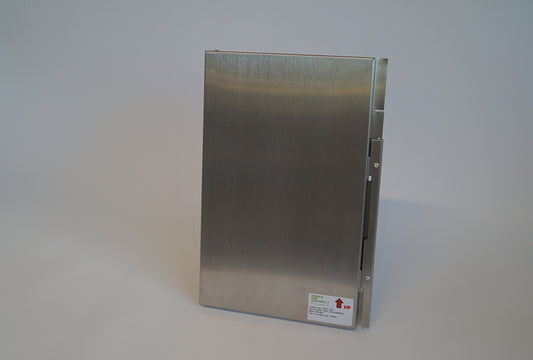
RoSS.KSET protects small-volume single-use bags, ensuring safe handling of sensitive drug substances.

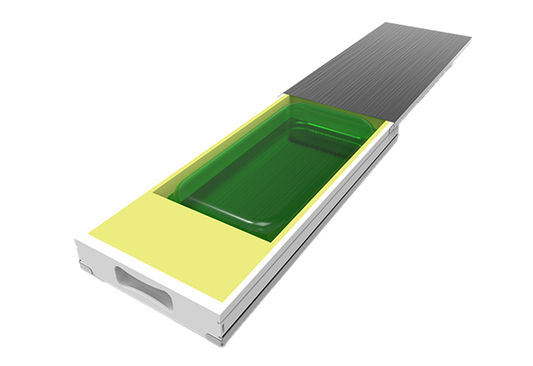
An image of an open RoSS.KSET protecting a single-use bag, on a transparent background.

Key features

Single-use bag independent

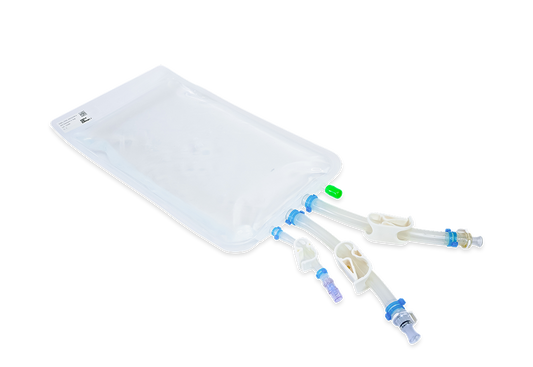
Suitable for all standard compact 2D single-use bags from 250 mL and below

Robust construction

Robust and closed construction to secure the single-use bag during freezing, storage and transport

Complete immobilization

The 3D foam offers protects the sensible connection of bag, tubing and connectors for complete immobilization

Applicable for cryogenic freezing

Usable down to temperatures of -196°C

Secure handling of small-volume, high-value drug substances

RoSS.KSET enables reliable protection of small single-use bags, supporting safe processing and transport in sensitive applications such as CGT.

  • Reduces risk of damage and product loss in small-volume applications
  • Enhances handling safety for highly sensitive drug substances
  • Improves consistency across small-batch workflows
  • Enables secure and controlled transport and storage
Close-up image of an operator placing RoSS.KSETs into a RoSS.pFTU Lab-Scale solution to freeze small volumes of drug substances.

Designed for cell and gene therapy applications

RoSS.KSET supports the safe handling of small-volume drug substances used in cell and gene therapy, where maintaining product integrity is critical throughout processing and logistics.

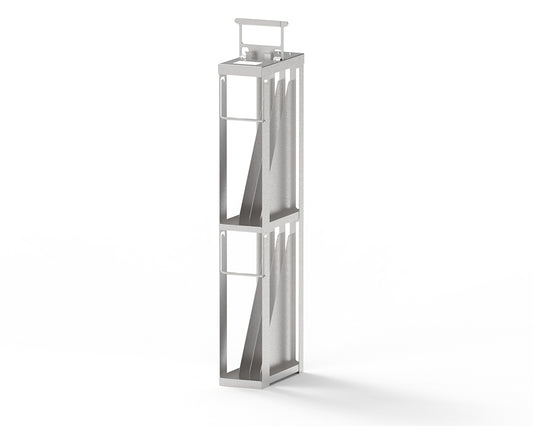
Protective RoSS.KSET rack for safe shipment of small-scale single-use bags.

Integrated handling for transport and storage

The RoSS.KSET Rack enables secure placement of protected bags in standard shipping systems, supporting safe storage and transport under cryogenic conditions.

Our customers trust in us:

Downloads

Preview of instruction for use for RoSS.KSET robust protection for small single-use bags by Single Use Support

Datasheet

RoSS.KSET - Datasheet

RoSS.KSET - Datasheet
 
Preview of Single Use Support's whitepaper about robust secondary packaging RoSS shell

Whitepaper

RoSS® shell: Advanced cold chain management - Whitepaper

RoSS® shell: Advanced cold chain management - Whitepaper
 
Preview of datasheet for RoSS.KSET robust protection for small single-use bags by Single Use Support

Instruction for use

RoSS.KSET - Instruction for use

RoSS.KSET - Instruction for use
 

Send a request

  • The Role of Single-Use Systems in Cell and Gene Therapies

    As cell and gene therapies (CGT) continue to advance, single-use systems have become essential for maintaining the safety and effectiveness of these intricate biological products. These systems not only improve sterility but also simplify manufacturing processes, playing a vital role in both the initial and final stages of production, and ensuring that these potentially life-saving therapies remain reliable and high-quality for patients. Read following considerations for manufacturers in the area of cell & gene therapies. Most suitable areas of single-use systems in CGT manufacturing processes Ensuring that cell and gene therapy products are shipped at cold temperatures with robust controls is, if anything, even more important for this class of products than it is for more traditional biopharmaceutical products because they are complex biological systems and you really don't want to take any risks of them being disrupted during storage and shipment. The use of single-use systems is particularly important for cell and gene products because maintaining sterility and the aseptic nature of processing is so critical. For a cell therapy product you can't do sterile filtration at the end of your manufacturing process, so integrating aseptic processing into every stage of manufacturing is far more critical compared to, for example, monoclonal antibodies where you have the benefit of being able to do a sterile filtration step at the end. Different applications of single-use systems in cell & gene therapies There are robust applications both upstream and downstream. For example, in an autologous CAR-T process, the initial leukapheresis product that you're taking from the patient and shipping to your manufacturing site is a critical starting material that's entering into your process at the very upstream part of your manufacturing process. There is high potential to improve the reliability, reproducibility, and robustness of that shipping process using secondary packagings, such as the RoSS shell. Because it is a patient-specific raw material it is incredibly precious (in fact, close to irreplaceable), so it is critical that it not be damaged or destroyed during shipping and that its quality is maintained at the highest level. Similarly, once the CAR-T product has been manufactured, it needs to be returned from the manufacturing site to the point of care for the patient, and arguably it is even more precious at this stage since a patient life hangs in the balance.  Therefore, ensuring the highest possible control of shipping conditions to maintain product quality during that return shipment is also critical. There are pretty robust use cases for single-use system products at both the most upstream and the furthest downstream steps of cell and gene therapy manufacturing processes. Why are single-use technologies established as a standard in gene therapy? First, since gene therapy processes are younger, they've had the benefit of being able to adopt these newer technologies during their development processes. Given that, and combined with the relative importance of aseptic processing as I described earlier, Therefore, developers tend to gravitate towards single-use systems in designing their processes. An additional factor is that cell and gene therapy processes are typically not operating at the very large scales of some more traditional processes. For example, typical monoclonal antibody facilities are operating at a scale of hundreds to thousands of liters, whereas many cell and gene therapy processes operate at a fraction of that scale, making those processes more amenable to single-use systems as opposed to, for example, the large stainless stirred tanks of older manufacturing processes. Chicken or egg: did cell & gene therapies boost the use of single-use technologies or vice versa? Newer, more modern biopharmaceutical processes that are being developed have already been migrating towards single-use systems. And cell and gene therapies are building on the back of that. There are a lot of things that are different about cell and gene therapy manufacturing, but there are also a lot of things that are the same. For example, to make a monoclonal antibody, you grow cells, harvest the cells, and purify the antibody. Thinking about cell therapy manufacturing, the process is very similar: you grow your cells using, in many cases very similar processes, and the only difference is that now the cells themselves are your product rather than the protein that they've been harnessed to produce. And for a viral process it's even more similar because you're just harnessing the cells to produce your virus instead of a protein. So the basics of cell cultures are the same across all types of processes and the difference is basically, what are you harvesting at the other end of that process and purifying and formulating and filling? Therefore, cell and gene therapy manufacturing processes very much benefit from the learnings of best practices around cell cultures that have already been developed in other areas of biopharmaceutical manufacturing. Considerations for manufacturers when implementating or ramping-up single-use systems Manufacturers should be sure that they understand what the ultimate goal is with respect to their manufacturing process. This can take different forms for different products, but let’s consider the case of an allogeneic cell therapy product.  For an allogeneic product in early clinical trials, you may only need to be manufacturing product for tens of patients in a year, but you want to make sure that the manufacturing processes that you have developed has a clear path to scalability to where you want to be at your commercial scale, which, depending on the indication that you’re going after, could be thousands or even tens of thousands of patients. It has a few different implications:  one is, at what scale does your manufacturing process ultimately need to be able to operate in order to make it manageable in terms of the number of manufacturing lots you need to make per year for that product? Typically you may be aiming for something in the low tens of manufacturing lots per year, so if you're aiming to make product for tens of thousands of patients, that can be a pretty large scale manufacturing process that you need to be able to achieve. You need to think about what that vessel looks like and is there an appropriate scale down model that you can be using today to enable you to get to that with minimal comparability risk and technical risk for scale up. And then the other thing that comes into play for cell therapy products in that calculation is making sure that your cells are able to undergo the number of cell divisions that is required to achieve that scale, without impacting the critical quality attributes of your product. So even when you're not manufacturing at that large scale in an early clinical stage, you need to be sure that you are still testing the robustness of your process with late passage cells so that you don't hit an unexpected roadblock later when you scale up.   More Solutions for Advanced Therapies  

    READ MORE
  • Protecting single-use bags to foster their progress

    Twenty years ago there was only steel. Biopharmaceutical manufacturing has been conducted by fixed stainless-steel installations for a long time. Pharmaceutical products were produced in rigid, inflexible vessels and pipings by cell culturing and/or fermentation, purification, filtering, filling and freezing. Only until single-use systems, such as single-use bags, aseptic fluid management tubings made of plastic, have proven to provide manufacturers with way more advantages for bioprocessing.They are more flexible, scalable, faster and cost effective. And yet there is hesitation. How can single-use technologies continue to thrive? What are the advantages of single-use systems Single-use solutions outperform in multiple areas: Universal applicability: Be it large scale manufacturing of vaccines, antibody-drug conjugates or emerging regenerative medicine, such as cell and gene therapy, single-use bags have solutions for every pharmaceutical manufacturing facility and every batch size. Diverse drug products and areas of applications benefit from single-use technologies. Process Efficiency: Single-use systems facilitate cost-competitive production processes in the biopharma industry by massive reduction of ressources for cleaning. These are for example costs for cleaning media, time consuming cleaning cycles, operator time and analytics. Also there is reduced risk of cross-contamination given. Having end-to-end solutions in place for drug substance handling that are compatible throughout different bioprocessing steps, such as liquid transfer, freezing & thawing and transportation, prove to have even higher efficiencies. Scale-up process: Breaking up conventional batch sizes shifting to small volumes for the clinical phase and large volumes in commercial productions, single-use bags allow companies to work more flexibly. Especially for innovative approaches of regenerative and individualized medicine and tissue engineering, single-use solutions are the logic process solution: It is necessary to fill, freeze and ship medication within a short period of time. Single-use equipment offers a multipurpose production due to enhanced throughput and changeover times. Also, scalable manufacturing productions with modular setups have made single-use systems recognized among manufacturers. [[1]] Sustainability: Single-use technologies are more sustainable than stainless-steel equipment on a holistic view. It is not only plastic to be recycled: Stainless-steel reactors and pipings are less sustainable since enormous amounts of water, energy and chemicals are required to ensure sterility. [[2]]   More advantages of single-use technologies   What are concerns caused by single-use systems to get full acceptance? In short: There is still potential product loss with unprotected single-use bags and there are still human errors dampening the euphoria of single-use systems. Single-use bags containing highly valuable drugs consist of multi-layer plastics which are vulnerable even at ambient temperature. They become glass-like when frozen and without protection are prone to breakages when handled incorrectly. Or sometimes even when handling correctly. RoSS (abbreviated for “robust storage and shipping”) is a protective shell for all 2D single-use bags. Independent from any single-use bag manufacturer or from any size, RoSS shell protects the bag from external forces during freezing, handling storage and shipment, but also from the inside: A soft 3D foam – as counterpart complementing the protective robust stainless-steel – absorbs the products’ natural expansion during freezing, provides full immobilization and hence guarantees avoidance of product loss. For smaller single-use bags the CAR T therapy single-use bag protection system RoSS.KSET is the ideal solution.  Its protective measures help to reduce human errors by mishandling single-use containers. The single-use bags are tamper-evidently sealed as closed system which prevents susceptibility to misuse. "We have achieved a 0% failure rate out of several batches after implementing RoSS shells" Principal Engineer, Multinational Biotechnology Company The RoSS® Shell has been invented by Single Use Support. Since then it has been tested in real-world scenarios by operators and experts in biopharmaceutical manufacturing. The big interest in such advanced innovations reflected the desire to avoid product loss by breakages. Read more: How to avoid single-use bag leakages in bioprocessing Proven and tested protection One of Single Use Support's numerous customers, an innovative global biopharma company, which has evolved as partner for further development of different products started to use RoSS shells almost 3 years ago. They have now reported “0% failure rate out of several batches” in 2020. This real-world evidence has strengthened the company's plans to rely on RoSS for another product launch in 2021. [[4]] The concept of RoSS platform has been proven trustworthy and reliably over the last years and adds a new perspective for companies which are still suffering from product loss caused by inadequate protection of single-use bags to regain trust in single-use systems.   More about RoSS® shell   Shaping Biopharma future trends The rising trust in RoSS® ability to enhance security standards mirrors the willingness to further establish single-use systems. It supports common goals to increase patient safety but also corporate goals to gain efficiency, safety and flexibility by implementation of smart end-to-end single-use solutions in biopharmaceutical processes. RoSS is a composition of both, robust stainless-steel and novel soft 3D foam. The latter metaphorically absorbs the remaining weaknesses of single-use bags – being the temporary highlight of the journey from a stainless-steel prone industry to a more and more single-use defining Biopharma industry. References: Langer, E., Rader, R.: Single-use technologies in biopharmaceutical manufacturing: A 10-year review of trends and the future, May 2014. Engineering in Life Sciences 14(3). DOI:10.1002/elsc.201300090 Whitford W., Petrich M.: Concerning Single-Use Systems and the Environment. 2018. Available at: https://www.bioprocessintl.com/single-use/ebook-sustainability-concerning-single-use-systems-and-the-environment Single Use Support. 2021: data on file. Exenberger C.: Case Study: Reducing product loss | Cost-efficiency, Published 2022

    READ MORE
  • Freezing cells – considerations and solutions

    In the field of life sciences, the cryopreservation of cells plays a pivotal role in advancing research and development. By freezing cells, scientists can safely store valuable cell lines and primary cells, ensuring their long-term storage and viability, e.g. for cell banking. This is especially important in the production of cell-based therapies, where specific cell lines need to be constantly available, but also kept viable via short-term storage in order to be transported to patients in need of cell-based products. In this article, we will explore the considerations and solutions involved in the crucial process of freezing cells. Nevertheless, it is a key element to successful cell research and development. Freezing solutions for cell banking Why is cryopreservation of cells important? Cell cryopreservation is of paramount importance in the life sciences, revolutionizing the way researchers work with cellular material. This crucial technique involves freezing cells at cryogenic temperatures, and offers a host of benefits that have shaped the landscape of modern cell research. One of the primary reasons cryopreservation is indispensable lies in its ability to maintain cell viability over extended periods, as it would deteriorate at room temperature. By preserving cells in a state of suspended animation, scientists can safeguard their integrity and functionality, ensuring that they remain viable and ready for use whenever needed. Long-term storage via cryopreservation is also vital in the context of stem cell research. Stem cells, with their unique potential for regenerative therapies and disease modeling, require meticulous preservation to retain their biological characteristics, paving the way for innovative medical advancements. Moreover, cryopreservation allows researchers to build extensive cell banks, conserving valuable cell lines and primary cells for future experiments and scientific discoveries. These stored resources not only enable reproducibility of experiments but also facilitate collaborative efforts, fueling breakthroughs in various fields of research. But also short-term storage highly depends on cryopreservation, e.g. when cell therapies are delivered to patients that do not find themselves in the immediate surrounding. Cell bank manufacturing – learn more Guidelines and protocols in cryogenic cell freezing – what do they include? Ensuring successful cryopreservation requires well-defined guidelines and protocols. These guidelines are tailored for specific cell types (such as mammalian or bacterial cells) and products, as they aim to ensure the best freezing outcome, including maximum post-thaw viability. Key considerations in such freezing protocols include: Using suitable freezing containers, like cryo-vials or single-use bioprocessing containers, to store cells in liquid nitrogen for long-term preservation Selecting the appropriate cryoprotectant, such as DMSO or glycerol, based on the cell typeDetermining the optimal cell density and volume for aliquoting Define freezing method to best control cooling rate to prevent cell damage during freezing In addition, it is essential for manufacturers to work in compliance with cGMP as well as regulatory standards, making sure that the resulting cell-based products are both safe and effective. Freezing adherent cells or cells in suspension Freezing adherent cells and cells in culture media present distinct challenges in the cryopreservation process. Adherent cells, attached to a substrate, require additional steps for successful freezing. Prior to freezing, these cells must be detached using enzymes like trypsin or EDTA. The next step is to resuspend cells in suitable freezing media containing cryoprotectants.[[1]] On the other hand, cells suspended in culture media can be directly mixed with the freezing medium for preservation. It is crucial to determine the optimal cell density and volume for aliquoting to maintain cell viability during thawing. Whether dealing with adherent cells or cells in suspension, careful attention to the freezing process, including the choice of cryoprotectants and cooling rate, is essential to ensure viable and functional cells after thawing.[[1]] Cell freezing process – step by step Although different protocols may vary, the process of cell freezing usually involves the following steps: Preparation: It has to be made sure that the cell culture is healthy and at an optimal confluency before calculating the cell density and passage number for proper documentation. For adherent cells, trypsin or EDTA are used to detach them and resuspend in the appropriate culture medium. Cells in suspension are transferred to a centrifuge tube. Centrifugation: The cell suspension is centrifuged to form a pellet and the supernatant is carefully removed. Cryoprotectant addition: A freezing medium is prepared, containing a cryoprotectant such as DMSO, FBS or glycerol. The cryoprotectant is slowly added to the cell pellet while gently mixing ensures even distribution. Homogenization: The cell suspension is homogenized to achieve a consistent cell distribution. This step requires high precision, as even tiny inconsistencies are to be avoided. Aliquoting: The cryopreserved cell suspension is divided into single-use bioprocessing containers to create appropriate aliquots for future use without repeated freezing and thawing. Freezing: The sealed containers are placed in a -170 °C freezer to prepare them for cryopreservation, e.g. in liquid nitrogen storage. Record keeping: Maintain detailed records of the freezing process, including cell type, passage number, freezing date, and storage location. Necessary equipment When cells are frozen at cryogenic temperatures, product requirements as well as regulatory standards can only be met with appropriate equipment – some of which will be mentioned below: Devices The cell freezing process requires the following essential devices: Centrifuge – used to separate cell pellets from the supernatant during cell harvesting, enabling efficient cell concentration Homogenizer – necessary to portion cell samples prior to freezing Filling platform – aseptic aliquoting in a closed system Freezers – a specialized freezer that ensures fast cooling of bags and cryovials, preventing ice crystal formation and maintaining cell integrity during freezing Reagents and containers Several key reagents are crucial for successful cryopreservation: Cryoprotectants – cryoprotective agents like DMSO or glycerol, added to the freezing medium to safeguard cells from damage during freezing and storage Centrifuge tubes – tubes that hold the cell suspensions during centrifugation, facilitating the separation of cells from the supernatant Single-use bags and bioprocess containers – specialized containers designed for storing and preserving cryopreserved cells in liquid nitrogen [[download-1]] Best practice – freezing cells with single-use technologies Embracing single-use technologies in the cell freezing process has become a best practice that offers numerous advantages in the field of life sciences. These innovative technologies provide researchers with practical and efficient solutions to overcome common challenges associated with traditional cell freezing methods. Single-use technologies provide a high level of flexibility, enabling researchers to handle a wide variety of cell types and volumes. The adaptability of these systems makes them suitable for the freezing of both small-scale and large-scale cell freezing applications, catering to the diverse needs of different research projects. Single Use Support has, therefore, established a product line-up that accompanies the process of cell freezing, for instance with a dedicated homogenizer and a filling solution that are able to portion even tiny amounts of cells with highest precision. Being filled into single-use bioprocessing containers and covered by protective shells as secondary packaging, cells can undergo a controlled freezing process down to -80 °C with Single Use Support’s plate-based freezing platform. If cryogenic freezing is required, cells can also be frozen at controlled rates with Single Use Support’s RoSS.LN2F, which is the only truly controlled-rate freezer using liquid nitrogen.  Discover the process in detail in our App Note below: [[download-2]] These solutions are designed to facilitate the entire process of cell freezing, allowing researchers and biopharma companies around the world to unleash the huge potentials of cell-based products. Single-use solutions in cell banking References A Simple and Highly Effective Method for Slow-Freezing Human Pluripotent Stem Cells Using Dimethyl Sulfoxide, Hydroxyethyl Starch and Ethylene Glycol, https://journals.plos.org/plosone/article?id=10.1371/journal.pone.0088696, Published 2014  

    READ MORE

FAQ about protection of small single-use bags

How does the Cryo Control Unit (CCU) support freezing applications?

+

The Cryo Control Unit (CCU) extends the compatibility of RoSS® shell systems with standard laboratory freezers and blast freezers. The insulated cover is designed to protect the shoulder area of the contained single-use bag, supporting controlled freezing conditions and greater flexibility across different freezing environments. Learn more about the CCU here..

What temperatures is the cryobag protection system RoSS.KSET ready to be stored at?

+

The stainless-steel shell RoSS.KSET for single-use bags is can be used for freezing and storage at temperatures as low as -196 °C.

How is the RoSS.KSET locked?

+

RoSS.KSET shell for small volume bag protection has a sealable locking system minimizing the danger of pinching and of damaging the single-use bag; it is also easy to be locked with thick gloves.