







Thawing cells – process, difficulties & recommendations
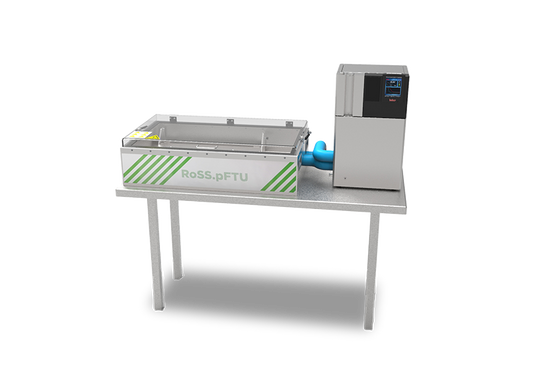
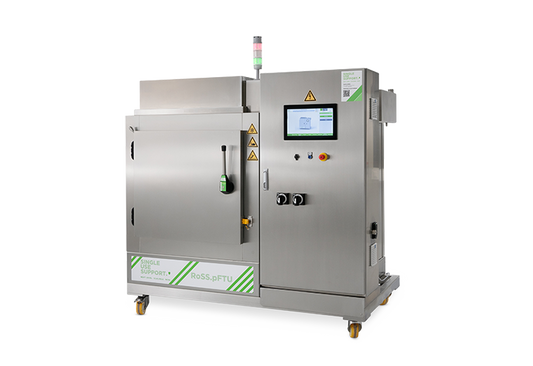
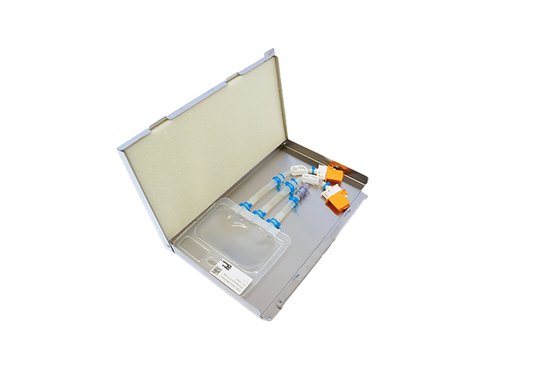
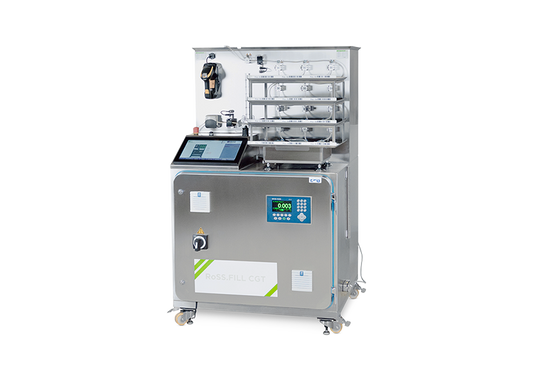
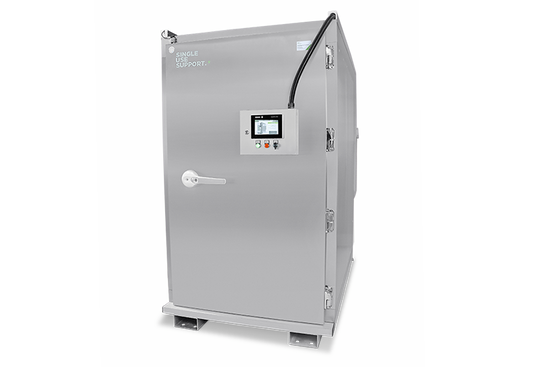
Cell thawing is a critical procedure in the area of life science and medicine. Ensuring a gentle thawing of frozen cells is essential for preserving their viability and functionality. In this article, we will highlight the cell thawing process, discuss common challenges, and provide recommendations for achieving optimal results in cell banking. At Single Use Support GmbH, we understand the significance of safe cell thawing for preserving the integrity of valuable cell lines and primary cells. By employing single-use technology, our solutions for freezing, cryogenic freezing and thawing are designed to maintain high cell viability while streamlining the process to be automated and sterile, compliant with cGMP standards. [[ToC]] Thawing cells: the process Both cell freezing and thawing have a direct effect on cell recovery rates and cell viability after thawing, two important quality aspects of cell culture. Whether you are working with primary cells, cell lines, or stem cells, it is essential to follow the correct steps to ensure successful thawing. In this section, we will provide a step-by-step process overview of thawing cells and compare the conventional process using cryovials with an advanced, automated process using a thawing platform and frozen single-use bags. 1. Preparation Gentle storage of the cryopreserved cells in an ultra-cold freezer and its timely transport to the designated thawing area are essential prerequisites for a smooth thawing process. For long term storage, liquid nitrogen storage is the recommended freezing medium. 2. Controlled thawing If cells are needed for studies or tests, they can be taken from the cell bank. For this purpose, the cells must be thawed. For frozen single-use bags, a 37°C/98,6°F water bath or CO2 incubator is commonly used to gradually thaw the cell suspension. Cell medium is added to the thawed cells immediately so that the previously added cryoprotectants (e.g. DMSO) are not exposed to room temperature but are effectively diluted. To protect the cells from sudden temperature shifts that may be harmful during thawing, a controlled thawing process is recommended to produce safe results. OR: Controlled thawing based on freeze-thaw platform Freeze-thaw platforms offer ideal conditions for both cell bank freezing and thawing. The step with manual thawing in the water bath is taken over by the platform in a controlled and automated manner. Human errors and product loss are reduced, while automated and documented processes ensure aseptic processing. Cells are frozen in single-use bags that are protected by a protective shell. The shell enables plate freezing technology performed with a freezing and thawing platform – where the single-use shells are cooled and frozen with a uniformly controlled temperature drop. When thawing, this process is reversed, with a controlled increase in temperature until the cell substance is in a liquid state again. 3. Cell viability assessment Post-thaw, accurate cell viability assessment is essential. Techniques like trypan blue staining can be employed to determine the proportion of viable cells in the suspension. 4. Seeding or Subculturing Depending on the research requirements, cells can be directly seeded into a culture dish or bioreactor or subcultured to propagate and maintain the cell line. Difficulties in cell thawing Thawing cells comes with its fair share of challenges that can impact the overall success of research work or the quality of the medicinal product. Knowing how to address these difficulties is essential to preserve the maximum quality of the cells. Some common challenges encountered during cell thawing are: Liquid nitrogen contamination: Contamination from liquid nitrogen during the cryopreservation process can affect cell quality and sterility, potentially compromising experimental integrity. Cell viability reduction: Too slow or too rapid thawing processes can lead to reduced cell viability, affecting experimental results and the success of upstream processing. In addition, there are studies that advocate shaking after thawing for quality improvement. Cell count inaccuracy: The process of thawing can result in cell loss, leading to inaccuracies in cell counts. This can impact subsequent experiments that require precise cell numbers. Inconsistent thawing: Uneven thawing within the cell suspension can result in variability in cell recovery and survival rates, leading to inconsistent results. Cell resuspension challenges: Thawed cells might be difficult to resuspend uniformly, leading to uneven distribution during subculturing or experimentation. Trypan blue misinterpretation: Misinterpretation of trypan blue staining during viability assessment can lead to inaccurate cell viability results, impacting data interpretation. To overcome these difficulties, careful attention to thawing protocols and best practices for specific cell types is essential. Computer-assisted, controlled thawing with automated platform systems ensures a gentle process and avoids human errors. Safe & efficient thawing in every scale with single-use technology Single Use Support takes the process of cell thawing to the next level – with innovative freeze-thaw platforms designed to process a wide range of cell culture volumes, from small-scale applications to large-scale production. Our cutting-edge single-use technology offers numerous advantages for achieving an optimized cell recovery rate and a high cell viability while streamlining the freezing and thawing processes. The platforms are designed and manufactured in compliance with cGMP guidelines, ensuring the highest quality and reliability for cell-based applications in research and medicine. While previously it was done in a water bath, we bring standardization to the process of thawing. By incorporating Single Use Support's freeze-thaw platforms into your cell culture workflow, operators can significantly enhance the efficiency and success of freezing and thawing processes. Achieving high cell viability, streamlining operations, and ensuring sterility are paramount for advancing research, bioprocessing, and cell-based therapies. References Use of liquid nitrogen during storage in a cell and tissue bank: Contamination risk and effect on the detectability of potential viral contaminants, http://dx.doi.org/10.1016/j.cryobiol.2011.12.005, Published 2011-12-28 Improving Cell Recovery: Freezing and Thawing Optimization of Induced Pluripotent Stem Cells, http://dx.doi.org/10.3390/cells11050799, Published 2022-02-25 Trypan Blue, https://www.sciencedirect.com/topics/biochemistry-genetics-and-molecular-biology/trypan-blue, Published 2012
READ MORE
