High-density cell banking for seed train intensification
Safe aliquotation, freezing, storage, and handling of high-density CHO cells as part of upstream bioprocessing process intensification with minimized contamination risk and maximum process efficiency.
Why Single Use Support for seed train intensification processes?
Is the cell culturing process taking too long?
The total cell culturing process, from the master (MCB) or working cell bank (WCB) to production volumes can take up to 30 days.
Reduced process time
Using intermediate working cell banks to intensify the seed train and nurture the inoculum bioreactor can shorten the duration of the upstream bioprocessing by several days.
Worried about cell growth?
The process of repeatedly going through the full multi-stage process from MCB to high-density cells presents challenges in terms of achieving a high yield of viable cells at the desired density.
Maximized cell viability of intermediate WCB
Banking intermediate high-density WCB reduces the repeated need for cell growth from cryovial to wave bioreactors. Controlled freezing of mammalian cell lines at recommended rates results in high cell viability of 96% (Trypan blue).
Risking contamination?
Open processing and open handling of cells represents an increased likelihood of cross-contamination and thereby elevates the risk of product loss.
Reduced risk of contamination
Implementing automated, aseptic systems for cell aliquoting in accordance with GMP Annex 1 significantly reduces the risk of contamination or operator error due to human intervention.
Upstream process intensification
Seed train intensification is a transformative approach to cell culturing, allowing to reduce production timelines, costs and risks of contamination.
Cells that are cultured in seed train bioreactors will be aliquoted and dispensed into source single-use bags.
The seed train is aliquoted into a large quantity of smaller bags of typically 20mL or even up to 10L and then frozen.
These cryopreserved bags can then serve as working cell banks.
These can be used to inoculate the N-stage prodution bioreactor or the N-1 seed train bioreactor.
Critical to the process are speed, temperature control and accuracy.
High-density cell banking solutions
In the process of creating new drug compounds cells play an important role. However, handling of cells, i.e., cell banking requires very careful and fast processes in order to guarantee best-possible quality.
When cryopreserving cells it is crucial to achieve a high cell recovery rate and ultimately optimal cell viability after thawing. Controlled cGMP-compliant and scalable freezing enables reproducible processes and thus standardization. Study results confirm a consistent and uniform high ratio of live cell recovery after cryopreservation of cells in single-use bioprocess containers thanks to Single Use Support's controlled-rate freezers, leading to accelerated cell-based process workflow.
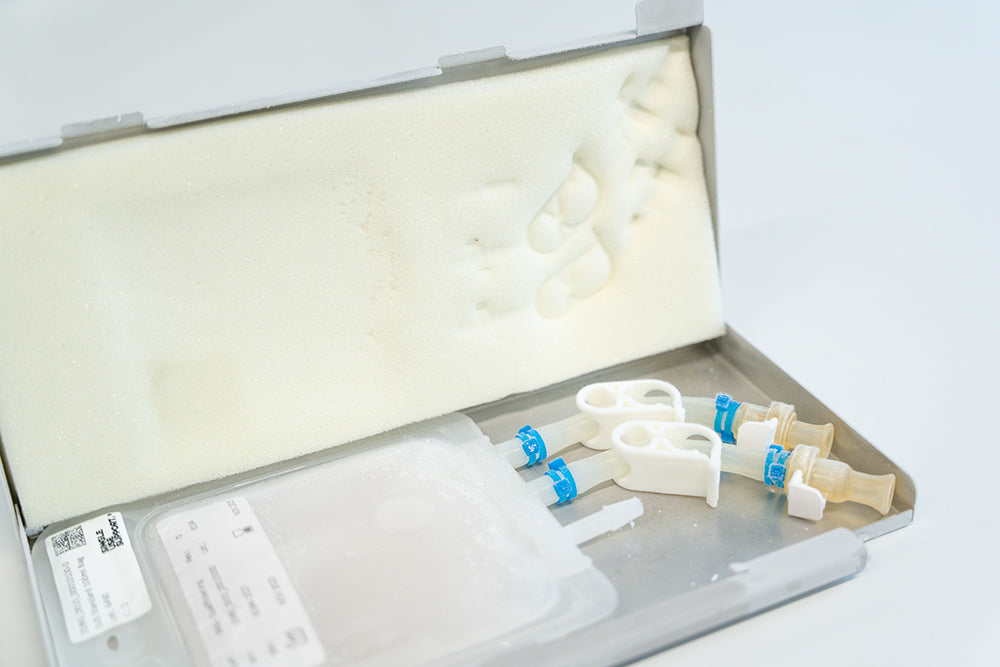
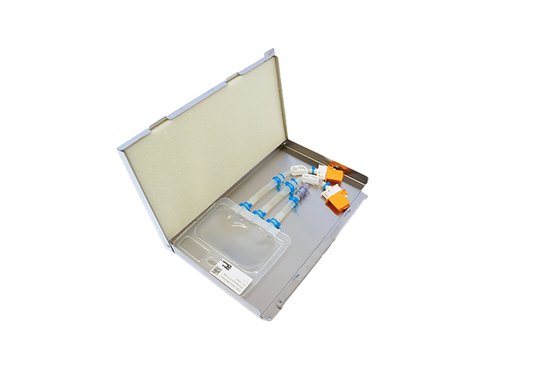
RoSS.KSET offers protection for small single-use bags. Most suitable for small batch sizes. Smart protection for single-use bags with volumes less than 250 mL in cell and gene therapy or clinical studies.
RoSS.PADL is a scalable massaging and mixing system for achieving a uniform mixture in single-use bags. With integrated cooling and heating, it maintains optimal temperatures consistently. This makes it well suited for applications such as cell an...
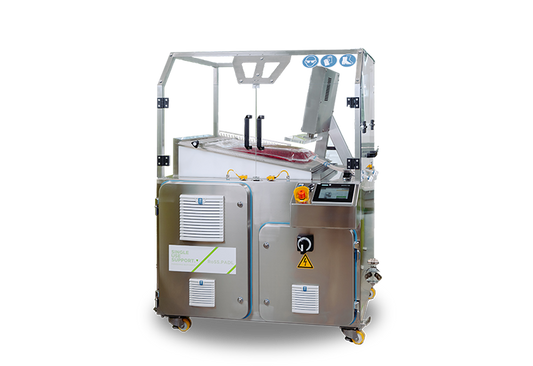
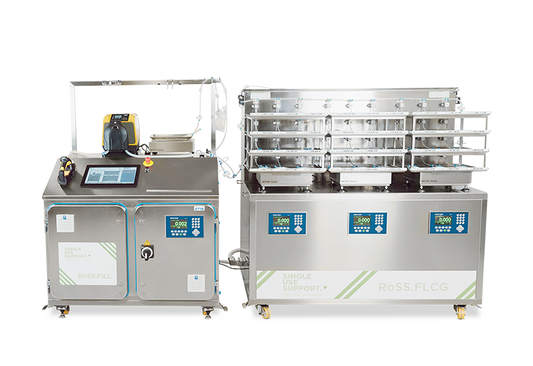
RoSS.FILL CGT is a fully automated aseptic cell filling and viral vector filling system that allows multiple small single use bags to be filled simultaneously. With its high filling accuracy, the system is special designed for use in cell & ge...
Single Use Support's mid scale freezer is a plate-based freeze-thaw system designed to protect your preferred single-use bag during cryogenic applications.
The system is compatible with single-use bioprocess containers of all sizes and manufactur...
High-density cell banking is a crucial step in the seed train intensification process for biopharmaceutical production. To get the train rolling, multiple optimized process units, that enable high cell densities cultivation & efficient high cell density cryopreservation, need to be combined. Download our free Whitepaper and learn more.
Optimization of the freezing process to increase cell viability of a mammalian cell line - Study
In cooperation with Management Center Innsbruck (MCI) the study was conducted aiming to optimize the freezing process of mammalian cell lines using an innovative controlled rate liquid nitrogen freezer (RoSS.LN2F) as an example with CHO-K1 cells. Cryopreservation of cells is absolutely crucial in all biotechnological processes for maintaining critical biological functions of producer strains. The study incorporated three viability assays - Trypan Blue, LIVE/DEAD and Fluorescence - to comprehensively assess the impact of varying freezing rates on post-thaw cell recovery.
Cell monolayers are an ideal method and widely used in the discovery of new drug compounds and the study of cell biology. Until now, there was no cryopreservation technology available to store cell banks pre-plated commercially. The conventional approach of cell-based assay workflow was time- and resource-consuming. Now, the cryoprotectant technology CryoShieldTM from CryoLogyx together with the controlled and scalable plate freeze-thaw platform RoSS.pFTU from Single Use Support, mark a revolution in commercial cell banking: Cryopreserved Thaw and Use Cell Plates improve the process of preparing cell cultures to carry out cell-based experiments to a large extent.
Study results confirm a consistent and uniform high ratio of live cell recovery after cryopreservation of cells with accelerated cell-based process workflow.
"Convenient, ready to use from the freezer, cell-based assays could accelerate and simplify the discovery of pharmaceutically active compounds, biocompatibility testing, assay development and discovery of cell signalling and disease pathways."Convenient, ready to use from the freezer, cell-based assays could accelerate and simplify the discovery of pharmaceutically active compounds, biocompatibility testing, assay development and discovery of cell signalling and disease pathways."Khalil Essani, Single Use Support
Labs benefit greatly from on demand access to cell-based assays by simplified workflows and highest flexibility. This on demand access to cell-based assays increases significantly the range and amount of experiments they can carry out in the same time.
Read the application note to learn more about the effect of controlled and scalable freezing to achieve advanced process solutions with cryopreserved pre-plated cell monolayers.
[[download-1-email-detailed]]
Khalil Essani, Product Line Manager at Single Use Support, is an expert in bioprocessing applications for single-use technologies. He provides valuable insights, advantages and solutions using cell banking in seed train intensification in the following exclusive interview.
In general, what is the rationale behind seed train intensification?
Essani: For all approved biological therapies, about 90% are produced in CHO cells. In contrast to simple protein expression systems like bacteria (E. coli) and yeast (S. cerevisiae, Pichia Pastoris), mammalian expression systems as CHOs have a much longer generation time (E. coli: 20min-1 S. cereviae, Pichia pastoris 40min -120min-1, CHO cells: 18-24h), a higher demand of oxygen and require a more complex medium, making the expansion process time and resource intensive.
CHO cells as expression system for mAbs production is traditionally performed in batch mode and starts with a small cryovial (1-5ml) that is applied to inoculate a small cultivation volume (50-500ml). After the cells have multiplied in the smaller volume to reach a certain concentration, the culture can be used to inoculate the next larger cultivation. This subsequent expansion steps can include multiple flasks and reactors of different sizes and might last for 20-30 days, before the final inoculation of the production reactor can start.
Utilizing high-density (HD) cell banking presents an effective strategy to reduce the number of seed train steps and enhance operational efficiency. This approach involves cultivating cells to a high density in a fed-batch or perfusion bioreactor, followed by aliquoting and cryopreserving the HD cell culture in multiple single-use cryobags. Subsequently, for each manufacturing campaign run, cells are thawed from one or more cryobags and directly inoculated into the N-2, or even N-1 bioreactor.
The main motivation for seed train intensification in upstream development is to decrease manufacturing timelines and reduce cost of goods, facility space and contamination risk while increasing process consistency as well as space and time yield.
"The main motivation for seed train intensification in upstream development is to decrease manufacturing timelines and reduce cost of goods, facility space and contamination risk while increasing process consistency as well as space and time yield."Khalil Essani
Why is seed train intensification such a thing in Biopharma?
Essani: The current emphasis in biopharmaceutical research and production of mAbs has shifted from optimizing cell lines and media to intensifying production processes, aiming to realize time and cost efficiencies. For example, the construction of traditional stainless-steel facilities are time, space and resource intensive, and therefore have to start at an early stage (clinical phase 2) during drug development. At this early stage, approval is not guaranteed (probability of approval: 15%), but at the same time large upfront investments are required. The construction of single-use facilities for process intensification is less complex and thereby may start in clinical phase III (probability of approval: 50%). Investing in facilities and equipment during a later clinical phase reduces investment risk for stakeholders.
For approval of mAb-based biosimilars, the manufacturing process must prove that the monoclonal antibody behaves like the originator. Thereby a robust and consistent process is critical and strongly impacts product quality criteria. Having fewer expansion steps within the seed train and applying a closed single used system reduces handling and cross contamination risks. The closed single-use system-based process-intensification enables the manufacture to react flexible on product demands, i.e. it allows to produce immunoglobine G (IgG) or other monoclonal antibodies in the same single-use facility and only requires the exchange of single-use consumables.
Why should one bank cells in a cryobag during cell culturing?
Essani: In a traditional culture expansion scenario, the maximum cell concentration achieved in the pre-cultures determines the split ratio and requires the use of multiple bioreactors in the seed train. As a rule, sequential expansion phases with split ratios of 1:5 to 1:10 are used. In other words, a certain start (inoculation) cell concentration is required to cultivate the cells and efficiently achieve the exponential growth phase.
Reducing the seed train time is a key part of optimizing and intensifying processes. Starting with a larger initial cell mass cuts down the time needed to build up enough biomass for seeding an N-stage bioreactor. There are essentially two ways to do this: Either increase the volume of the initial inoculum or raise its concentration.
Having a high cell density culture bank readily available circumvents the multiple expansion steps thereby potentially reducing process time by one third to half. Instead of having to start from a small cryovial each time, manufactures can directly access the high cell density culture from the banked single-use cryo-bag. Therefore, the expansion in theory needs to start only once from the working cell bank cryovial. Reducing these cumbersome pre culturing expansion steps, not only saves time and costs, but also reduces the risk of potential contamination. Furthermore, upstream process steps lacking active pH and dissolved oxygen control are removed, ensuring cells receive consistently stable conditions. Furthermore, it saves equipment and consequently footprint required, for example when thawing a cryobag goes directly to larger volumes without the need of waves, flasks, etc.
Why is scalability such a challenge?
Essani: N−1 perfusion, in which perfusion cultivation is done as the final step of inoculum production to generate UHCD-WCBs (ultra-high cell density working cell banks) exceeding 100 × 106 cells mL−1. These cells can subsequently be used to inoculate a production bioreactor.
Fed-batch processes have been established from lab to commercial scales up to 25,000L, Usually the volume of a stirred tank production reactor exceeds 15,000L, with an inoculation concentration of 0.2-1 x 10⁶ cells/ml. To inoculate a production reactor of 15,000L at a required cell density of 0.5 x 10⁶ cells/ml, 7.5 x 10¹² cells are required for inoculation. Assuming that a N-1 perfusion reactor is able to generate cell density of 100 × 106 cells mL−1, 7.5 x 10⁴ ml (75L) of a HCD culture would be needed for inoculation. Aliquoting such a large volume and controlled freezing to guarantee cell recovery of this volume is out of feasibility. This extreme example should illustrate the limitations in scaling-up the high cell density cryopreservation (HCDC) process for seed train intensification
Therefore, the most practical approach is that the high cell density culture is applied for the inoculation of a N-1 perfusion reactor of about 50-200L.
To inoculate such a N-1 perfusion reactor with a working volume of 50L, a cryobag with a culture volume of 250 ml (with 100 x 106 cells per ml) can be applied. A culture volume of 250mL enables fast aliquotation in cryobags. Cryobags that can handle such a volume are available and validated to restrain the very low freezing temperatures when filled. Smaller volume of single-use cell cryobags (100ml-1000ml) also allow a more controlled freezing process than a very large single-use container would do. During cryopreservation, controlled freezing is highly central for achieving critical quality attributes, which are reproducible cell recovery rates, viable cell density (VDC) and cell viability post-thaw, as already small deviations from the optimal freezing rate will impact viability.
What other challenges do you see in this matter?
Essani: An optimized cryopreservation process must be developed for each cultivation scenario. This starts by using a suitable cryoprotectant, finding the optimal freezing and thaw rate, tightly control the time for phase transition - as it might have the biggest impact on cell viability. In case a cytotoxic CPA is applied, the incubation time of the cells and the CPA needs to be optimized, meaning it should be long enough to allow to diffuse inside the cell and short enough to prevent toxic effects. CPA like DMSO show higher cytotoxicity at ambient temperature, thereby the temperature of the cells and the container when the CPA is added is also critical. Another important consideration to develop a robust cryopreservation process, are the selection of the biochemical assays that measure cell recovery and their detailed validation in order to know the assays sensitivity/specificity.
What are the trends in cell banking for seed train intensification?
Essani: Over the past century, there has been a noticeable shift from using bottles and vials to employing single-use cryobags. These cryobags offer advantages such as enabling more controlled freezing and accommodating larger volumes, facilitating high cell density inoculation. Looking ahead, we anticipate a rise in automation for cell banking processes and reducing human intervention within clean rooms. Additionally, there will be advancements in the development of cryopreservation agents that are both less toxic and highly effective. Furthermore, technologies aimed at increasing cell densities, such as sophisticated perfusion systems or specialized reactor designs, are expected to emerge in the coming years.
"We anticipate a rise in automation for cell banking processes and reducing human intervention within clean rooms."Khalil Essani
As process intensification persists and continuous processing with single-use systems (SUS) becomes more prevalent, the footprint of facilities and their ecological impact are shrinking. This trend is driven by the reduction in raw material usage due to the generation of more product, and faster processing times leading to decreased reliance on facility utilities, thereby lowering fossil fuel consumption.
I am confident that the next major trend in bioprocessing will be fuelled by the imperative for sustainability. Specifically, we may see the emergence of biobased single-use materials that can withstand low temperatures while meeting stringent Good Manufacturing Practice (GMP) standards. Take, for instance, the development of bio-based polyethylene (PE) sourced from sugar cane, presenting a range of grades suitable for HDPE, LLDPE, and LDPE variations.
Investigations have been conducted to assess the environmental impact of bio-based materials in contrast to their conventional counterparts, demonstrating a reduction in both primary energy usage and greenhouse gas emissions. Additionally, there is potential for advancements in cryopreservation technologies, enabling the storage of cells at elevated temperatures compared to conventional methods reliant on liquid nitrogen (LN2) tanks. Looking ahead, it's conceivable that waste heat generated by freezer units could be repurposed as process heat to power bioreactors, representing a novel approach towards energy efficiency in bioprocessing.
Cryopreservation solutions for high cell recovery
RoSS.KSET: Protection for small single-use bags
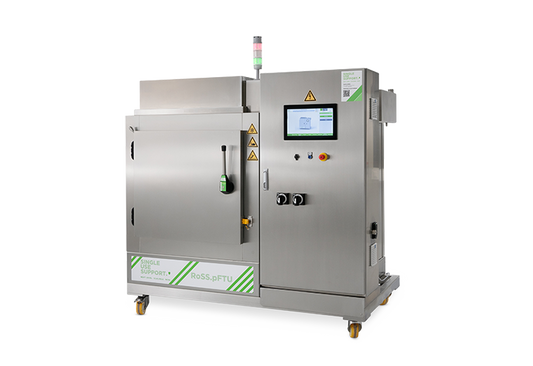
RoSS.pFTU Mid scale: Controlled rate freezing of drug substances
RoSS.LN2F: Cryogenic controlled rate freezer
[[download-1]]
Seed train intensification is an approach in upstream bioprocessing that is gaining more and more attention. With the growing demand for new drugs, manufacturers have to ensure both efficient and flexible production processes. While generally applicable standards must always be adhered to within the seed train, labs and plants are expected to operate as cost-effectively as possible in all phases of process intensification, process development and production.
Processes for seed train intensification by Single Use Support are increasingly of interest. They help manufacturers accelerate their traditional process of cell cultivation to shorten production times, enhanced flexibility and most importantly, to maximize CHO cell viability.
In this article, we will take a closer look at the conventional seed train and how seed train intensification can be achieved.
Interview: Efficient Cell Banking in Seed Train Intensification
[[ToC]]
Improving the seed train for CHO cell culture – cornerstone of upstream intensification
Typically, mammalian cell lines, like CHO cells, are used for intensified production processes of monoclonal antibodies. During cell expansion infrastructures and production processes are changing along with the varying volumes.
Seed train intensification is an agile production process. It allows labs and manufacturers to grow an adequate number of cell lines for the inoculation of production bioreactors. High density cells can be aliquoted from the seed train into single-use bioprocess containers and cryopreserved. These frozen bag intermediates function as working cell banks to further boost productivity in upstream bioprocessing.
Seed train as part of upstream bioprocessing
The conventional cell culture process is an integral part in the production of several biopharmaceuticals, as it involves the production of significant amounts of biomass to produce various proteins, such as immunoglobine G (IgG) or other antibody drug products. The different steps of the workflow are currently performed with open and manual handling. Cell culturing in flasks have to be carried with great attention to not expose cells to contamination.
Traditional seed train process from cryovial to production bioreactor
The traditional seed train procedure begins with the thawing of mammalian cells that have been cultivated as the master cell bank. Fed batch size at this point is around 1mL which is cryopreserved in a cryovial or epipen. As part of the upstream bioprocess, these cells will then be fed to reach a level that is sufficient for the inoculation of a bioreactor. [[1]]
Once the number of cells for the working cell bank has been reached, they are cultivated throughout multiple steps in shake flasks, rocking motion bioreactors and stirred tank bioreactors with the required titer and viable cell density, until they have reached volumes up to 2,000 liters in a single-use bioreactor and up to 15,000 liters in a stainless steel bioreactor. [[2]]
As the traditional procedure of the production process is laid out for large-scale production in larger bioreactors, it is very time-consuming to reach a sufficient cell growth. Further, this manufacturing process requires the handling of cell cultures in the open during transfers, which leads to a higher risk of contamination and causes issues with reproducibility. Open processing and open handling of cells represents an increased likelihood of cross-contamination in multi-product facilities and thereby elevates the risk of product loss. [[1]] [[2]] [[3]]
Tools required for the seed train
The following list contains the cultivation systems as part of the conventional seed train process in biomanufacturing in the order they are used, starting with the smallest equipment for cell culture processes and gradually moving towards larger bioprocessing devices.
Tools required for the traditional seed train include:
Cryovials or Epipen used as master cell bank
Inoculation flasks
Spinner flasks
Wave rocker or wave bioreactor
N-3-bioreactor
N-2-bioreactor
N-1-bioreactor
N-bioreactor (=Production bioreactor)
Why seed train intensification helps save time and costs
With process intensification as strategy to make upstream bioprocessing more efficient, it's main focus is to maintain or improve cell viability after freezing and thawing and establish more automated, enclosed solutions that make sure that no contamination occurs during the whole process.
Seed train intensification based on modern technologies applying High Cell Density Cryopreservation (HCDC) is both time-saving and cost-effective compared to conventional alternatives, like fed batch production processes.
Single-use systems enable fluid transfer of cells in aseptically closed systems not only during upstream processes overall, but also during seed train intensification. Single use technologies as part of seed train intensification provides more process flexibility and scalability. In other words, seed train intensification based on disposable single-use components allows manufacturers to speed up reproducible cell culture growth, regardless of cell bank densities or volumes of high-density cell banks.
While the traditional approach involves the linear cell cultivation from master cell banks to production bioreactors, process intensification processes help make cell expansion more efficient with the inocluation of intermediates working cell banks. In other words: Instead of constantly having to start the entire process from scratch, labs and manufacturers can simply fall back on already cultivated cells as intermediates.
How can a seed train be intensified?
To start protein production in biomanufacturing with animal cells like Chinese Hamster Ovary cells (CHO cells) in an optimized way, there are different strategies available to opt the cell lines for scale-up at faster rates.
One strategy to achieve high cell density and viability is the attachment of a cell retention device to the N-1-bioreactor. [[4]] One of such a device to achieve higher cell density is Repligen's XCell® ATF, based on alternating tangential flow technology. [[5]] Through this method, it becomes possible to use a smaller bioreactor due to the higher initial cell density in the suspension cell culture and seed the production reactor. Theoretically, this step can also be performed in the earlier N-2-bioreactor stage of the work flow, saving considerable amounts of time in the production process.
Another strategy for seed train intensification is the cryopreservation of a working cell bank with a high cell density in single-use bags. High cell density cryopreservation removes the need for traditional seed train expansion. [[4]] [[5]]
Interview: Efficient Cell Banking in Seed Train Intensification
Seed train intensified with high-density cell banks
Banking high-density CHO cells (HDCB) is the essence of seed train intensification. As speed and reproducibility are highly important factors in the production of biopharmaceuticals, the development of a working cell bank (WCB) that can be used for the production of large product quantities is essential. When a small number of cells has been extracted from the master cell bank (MCB), these cells are cultured in large aliquots with cell suspensions. Aliquoted into single-use bags that range from 20mL up to 1L, they are frozen to cryogenic temperatures.
What is high cell density cryopreservation?
In high cell density cryopreservation (HCDC), intermediates with a high cell density are aliquoted in single-use bags and then frozen at -80 °C, before they are transferred into liquid nitrogen in its vapor phase. Keeping cells at cryogenic temperatures and performing controlled freeze-thaw cycles help ensure process reproducibility with optimal cell viability after thawing. Both are crucial aspect in the production of biopharmaceuticals. Process development can start earlier, making the whole endeavor of cell culturing more cost- and time-efficient.
The working cell banks used for seed train intensification can differ in cell density and aliquot volume: High density cell banks can be for example 107 cells/mL filled into a 500mL single-use biocontainer that can then inoculate a 200L bioreactor. The cell density and volume being aliquoted and cryopreserved depends on production specifications of the manufacturer.
It is important to note that case studies have shown good results with cryopreservation with regards to growth and recovery rates of CHO cell lines, the current cell line of choice for the production of monoclonal antibodies used in pharma production. Another critical quality attribute is to maintain a viable cell density (VCD).
Seed train intensification with HCDC comes with several advantages, some of which are:
Time efficiency: HCDC allows for faster cell growth and higher cell densities, reducing the overall time required for the seed train process. This results in shorter manufacturing timelines and quicker production of the final product.
Cost-effectiveness: By achieving higher cell densities in a shorter time, HCDC can lead to reduced resource and facility usage, lowering production costs and increasing cost-effectiveness.
Increased productivity: HCDC enables the production of a larger number of cells in a smaller footprint, maximizing the productivity of bioreactors and improving the overall yield of the biopharmaceutical manufacturing process.
Consistency: The use of HCDC in seed train intensification helps maintain the consistency of the cell culture and VCD and reduces variability between batches, resulting in more reliable and predictable production outcomes.
Scalability: HCDC is easily scalable, allowing biopharmaceutical companies to efficiently transition from small-scale seed train operations to large-scale production without significant changes to the process.
Process optimization: HCDC facilitates better process optimization by providing a controlled and reproducible environment, leading to improved product quality and performance.
Fed-batch or perfusion seed train?
Two different approaches to intensify the seed train process are fed-batch or perfusion:
Fed-batch includes the addition of nutrients to cell cultivation without medium removal. It is therfore considered simpler and its implementation is less expensive. Fed-batch may have limitations in achieving best conditions for longer periods.
Perfusion adds medium continuously while removing waste products. It thereby reaches higher cell densities and productivity. However it also requires more complex devices and control systems.
Manufacturers choose between fed-batch and perfusion processes based on specific performance criteria, typcially the desired cell density, product quality requirements, process complexity, and scalability or flexibility needs.
Equipment in seed train intensification with HCDC
Seed train intensification requires innovative tools and up-to-date technologies for fluid and cold chain management to optimize the time and cost aspects of a project. This does not only mean that time efficiency has to be increased, but also that scalability needs to be taken into account, given that different life science projects require different product quantities.
Before cells are aliquoted into single-use bags as primary packaging, it must be ensured to have a consistent cell count from bag-to-bag. Homogenizing devices, like RoSS.PADL, ensure an even distribution of the high cell density solution while simultaneously cooling it down. The latter functionality fosters cell viability by extending the time before freezing when cryoprotectants, such as DMSO, are already added.
In contrast to traditional seed trains, where the aliquoting and transferring of cells is often carried out manually, exposing the cells to contamination, fully automated aliquoting solutions like RoSS.FILL erase this problem – product loss due to human errors can be reduced to a minimum.
Controlled rate freezing, best achieved with RoSS.LN2F a cryogenic liquid-nitrogen freezer or RoSS.pFTU a plate-based freeze-thaw platform, optimizes high cell viability of cells during cryopreservation. This way cells can be frozen down to -170 °C for storage.
[[download-1]]
Seed train intensification with Single Use Support
As the cultivation of cells is an integral part in the production of many pharmaceutical products and applications, there is a high demand for process solutions that facilitate a more time- and cost-efficient manufacturing process in the early process stages of manufacturing. This is best achieved with fully automated solutions securing an aseptically closed system that reduces the risk of contamination during different production steps where cells have to be transferred from one device to another.
Solutions from Single-Use Support address these problems with single-use technologies and consumables that enable the cultivation cells as well as their preparation for the logistics process. Cells can be filled into single-use bags in an automated filling process before being frozen for sterile cell retention. Following compliance with cGMP and 21 CFR part 11, the freeze-thaw process is fully automated, ensuring sterility while simplifying all process steps.
Single Use Support'solutions are not only scalable and highly automated, but can also be configured to meet specific manufacturing needs. The high level of automation process steps and improved cell viability promotes process efficiency and also contributes to greater patient safety.
References
Seed train optimization for suspension cell culture, http://dx.doi.org/10.1186/1753-6561-7-S6-P9, Published 2013-12-04
Model-based strategy for cell culture seed train layout verified at lab scale, http://dx.doi.org/10.1007/s10616-015-9858-9, Published 2015-03-20
Seed Train Optimization for Cell Culture, http://dx.doi.org/10.1007/978-1-62703-733-4_22, Published 2013-12-02
“Jumping Seed Train Intensification Hurdles to Maximize Yield,” BioPharm International 34, https://www.biopharminternational.com/view/jumping-seed-train-intensification-hurdles-to-maximize-yield, Published 2021
XCell® ATF Devices and Controllers. Repligen, https://www.repligen.com/products/upstream-filtration/xcell-atf/xcell-atf-devices-and-controllers, Published