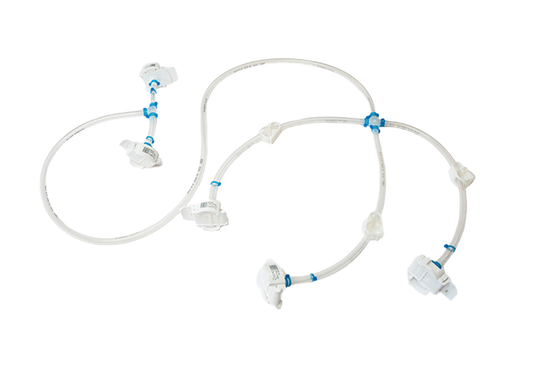
Scalable protection for modern vaccine production

Flexible and reliable fluid and cold chain handling supporting upstream, downstream, and fill–finish processes.

Person in a lab coat working with large white containers in a laboratory setting

Why Single Use Support for vaccine production?

High loss rates during production?

Vaccine production is challenged by high costs and inefficiencies due to manufacturing complex processes, product loss due to manual handling and bag breakages in cold chain handling.

Green icon of a checkmark symbol inside a shield demonstrating safe and efficient handling.

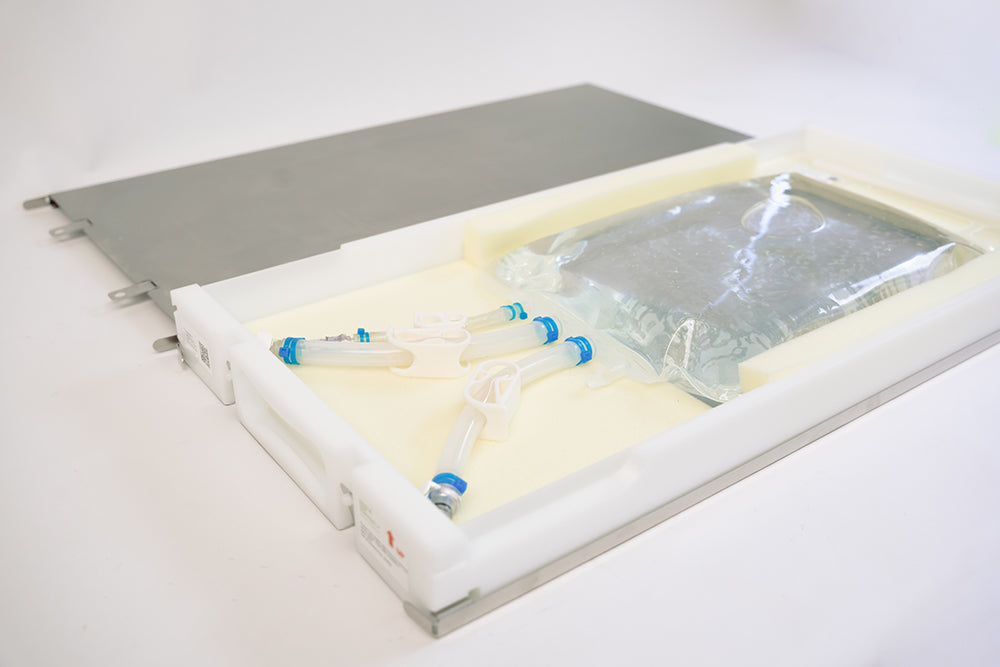
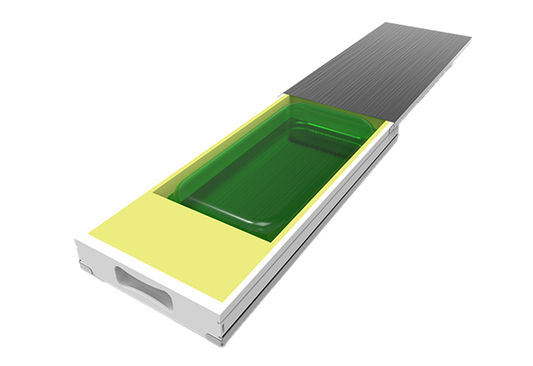
Robust end-to-end bag protection

The safe handling of vaccines in single-use bioprocess containers requires closed processes that minimize contamination risks and protect the valuable drug substance from container breakage.

Scalability challenges?

As the demand for different vaccines continues to surge, manufacturers face the critical challenge of scaling up and out production while maintaining product quality and consistency.

Green icon of a water droplet and an arrow on a transparent background demonstrating scalability

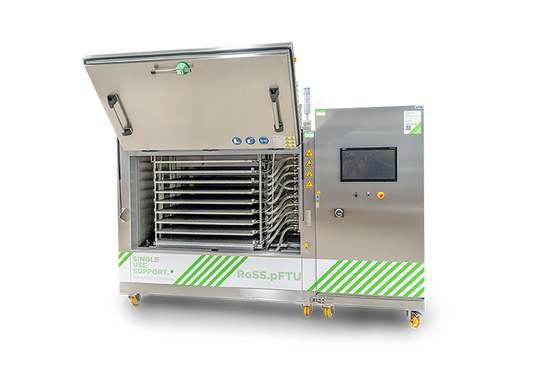
Modular systems

Vaccine manufacturers need flexible process solutions that can adapt to changing production volumes and manufacturing requirements.

Inefficient filling processes?

Vaccine manufacturing requires rapid and highly accurate aliquotation into single-use containers while minimizing contamination risks and product loss.

Green icon of a droplet and a protective shield on a transparent background demonstrating aseptic decoupling

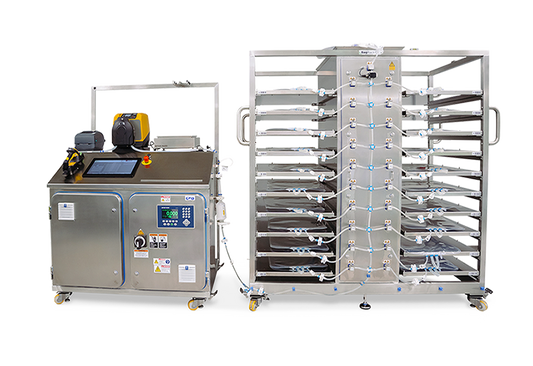
Safe, accurate filling

Automated aseptic filling into single-use bioprocess containers enables fast, accurate and contamination-controlled aliquotation.

Person safely positioning a single-use bioprocess bag in a RoSS Shell.

Cold chain handling in vaccine manufacturing

Single-use technolgies offer the best advantages to guarantee the needs in today's vaccine production. Due to the highly flexible and scalable nature of single-use components they cover the entire biopharmaceutical manufacturing process, including upstream, downstream, fill-finish and the gaps in-between. 

With reliable cold chain processes based on advanced single-use technologies, a safe and protected handling of the highly valuable and sensitive vaccines can be guaranteed. These include live-attenuated or inactivated vaccines, viral vector-based vaccines, biosimilars, monoclonal antibodies, mRNA and other advanced therapies.

Operator handling biologics with gloves on a cold chain integrity system, featuring text about biologics protection.

DOWNLOAD APP NOTE

Cold Chain Integrity for Biologics - App Note

What impact does controlled end-to-end cold chain management have on preserving the quality, potency and safety of biologics? Find out how Single Use Support's modular, automated technologies for single-use bags and bottles minimize cryoconcentration, prevent container damage and ensure consistent, sustainable handling that aligns with Annex 1 throughout bioprocessing.

  • Understanding the Development and Manufacturing Process of Biosimilars

    The development process for biosimilars involves an extensive testing period in order to establish similarity to the reference biologic. To ensure that the drug doesn’t have unwanted side effects, there is a broad regulatory framework developers of biosimilars must adhere to. In this article, we provide an introduction to biosimilars. We take a closer look at the challenges involved in the development of biosimilars, and strategies for successful development and manufacturing practices. Further, we will talk about how these can be optimized with single-use technologies. Challenges in the development and manufacturing of biosimilars   What are biosimilars? Biosimilars are drugs that resemble to biological products like monoclonal antibodies or gene therapies in terms of quality, efficacy, and safety. Just like biologics, biosimilar products are crafted with the help of living cells or microorganisms, thus may show minimal variety between batches. Biosimilars enter the pharma market after the expiry of the biologics patent. Interchangeable biosimilars are a special category of biosimilars, as they come especially close to their reference product. Due to their great resemblance to the original biologic, interchangeable products can be given out by pharmacies instead of the corresponding biologic without further consultation with the prescribing healthcare professional, similar to a generic drug being given out instead of a brand-name drug. To achieve this status, they have to fulfill additional requirements by national health authorities like the U.S. Food and Drug Administration or the EMA (European Medicines Agency) in the approval process. [[1]] [[2]]  Biologics vs. biosimilars: What is the difference? Even though biosimilars and biologics have a lot in common, they are not the same. This is due to a level of variability that exists between the biosimilar and the reference product. While chemical drugs can be replications of generic drugs, the manufacturing process of biosimilars is more complex and depends on factors such as the selected cell line, temperature, manufacturing environment and much more. This is why biosimilar drugs inevitably show some level of variety between batches, even though there are no clinically meaningful differences for patients. Although biologic drugs have the potential to change the lives of patients suffering from different immune diseases and are an effective treatment option for a lot of cancer varieties, patient access is still limited due to high costs. These result from pharmaceutical research and development, with only a few products ultimately being able to enter the market, which are then patented for several years in order to keep the work on these innovative drug products attractive and to drive scientific progress. Biosimilars are a lower cost alternative to brand name drugs due to cost savings during the development process. A comprehensive introduction to biologics   Who manufactures biosimilars? The market for biosimilars is expanding. By 2028, revenue of $66.9 billion and an increase by 17,8% is expected. While there are several companies entering the market, the main players are established companies like Pfizer, Novartis, Amgen, Sandoz, and Biogen. The areas of application for their biosimilars have a strong focus on oncology and immune diseases like crohn’s disease or psoriasis. [[9]] FDA approved biosimilars While the European Union (EMA) gave way to the first biosimilar drug called Omnitrope in 2006, the first biosimilar approved by the FDA was Zarxio (filgrastim-sndz) in 2015. Among the latest FDA approvals are biosimilars to the arthritis drug Humira with adalimumab as the active ingredient. The full list of approved biosimilars as of today, with reference biologics, manufacturers and information on formulary changes, can be found on the FDA’s website. Top biosimilars excerpt: Biosimilar name Approval date Reference product More information Hyrimoz(adalimumab-adaz) October  2018 Humira (adalimumab) Hyrimoz Information Retacrit(epoetin alfa-epbx) May 2018 Epogen (epoetin-alfa) Retacrit information Semglee(Insulin glargine-yfgn) July 2021 Lantus (Insulin glargine) Semglee Information Inflectra(Infliximab-dyyb) April 2016   Remicade (infliximab) Inflectra information Press Release: FDA approves Inflectra Amjevita(Adalimumab -atto) September 2016 Humira (adalimumab) Amjevita information   The development process of biosimilars While new biologic medicines are designed to ensure their safety and effectiveness, the development process of biosimilar drugs is centered around the characterization of the reference biologic. This can save a significant amount of time and cost. Both products have to undergo a rigorous number of trials and clinical studies before they are deemed safe by national health authorities. The following breakdown concentrates on the development process according to the standards set by the U.S. Food and Drug Administration (FDA) and also inline with European Medicines Agency (EMA). Research and development  The development process starts with the selection of a reference biological product. This has to be a biologic drug that has already been approved by the FDA or EMA, with established safety and efficacy data. The chosen reference product serves as the benchmark for demonstrating similarity throughout the biosimilar development process. In the following, researchers need to find out the amino acid sequence of the reference biologic protein through characterization, in order to confirm equal immunogenicity and efficacy between both biotherapeutic products. The next steps are cell line and expression system development. This may involve selecting the same cell line used in manufacturing of the biologic to closely mimic its production process. After weeks of cell growth, the mixture is purified and proteins can be harvested. Testing and clinical trials of biosimilars Biosimilar development involves extensive analytical testing to demonstrate similarity to the reference product in terms of structure, function, and quality attributes. Analytical techniques such as mass spectrometry, chromatography, and spectroscopy are used to compare critical parameters between the biosimilar and the reference product in non-clinical and clinical assays. The testing process is heading towards a totality of evidence, meaning the establishment of biosimilarity instead of an individual proof of the product’s safety and efficacy. During testing, preclinical studies are mostly performed in animal models to assess the pharmacokinetics, pharmacology, pharmacodynamics, and toxicity of the biosimilar. After that, the proposed biosimilar enters the stage of clinical trials, where safety, efficacy, and tolerability are demonstrated. Furthermore, biologics are assessed for immunogenicity. The clinical trials typically include comparative pharmacokinetic and pharmacodynamic studies, as well as comparative clinical efficacy and safety studies in patients. FDA approval and market surveillance of biosimilars Once the biosimilar candidate has demonstrated similarity to the reference product in analytical and clinical studies, a comprehensive regulatory submission is prepared for review by the FDA. The submission includes data on the biosimilar's manufacturing process, analytical characterization, preclinical and clinical phase I-III studies, and proposed labeling. Once the patent for the biologic has expired, biosimilars can be approved. After approval, biosimilars are subject to post-marketing surveillance to monitor their safety and effectiveness in clinical practice. This includes pharmacovigilance activities to detect any unexpected adverse events or differences in clinical outcomes compared to the reference product’s formulation. Moreover, pharmacovigilance aids in further improving the product and its safety, if need be. [[4]] [[5]] [[6]] [[7]] [[8]] Biosimilar manufacturing – what to consider There are several areas that require special consideration to produce a successful biosimilar product. These include the safe handling of biosimilars, designing the manufacturing process to be as efficient as possible to stay economically competitive, as well as finding effective ways to comply with regulatory requirements. With the help of biotechnological advances, these areas can be optimized by streamlining the manufacturing process, reducing the need for manual intervention and potential contamination risks while increasing production speed. [[10]] Safe handling of biosimilars Efficient safe handling of biosimilars during production is critical to ensure product quality, minimize contamination risks, and maintain a safe working environment for manufacturing personnel. Manufacturers can ensure the safe and reliable production of biosimilars by implementing comprehensive safety measures and quality assurance practices, contributing to the delivery of high-quality and effective biologic therapies for patients. Furthermore, a reduction of manual processing minimizes the risks that come with the processing of potentially hazardous substances. Read more: Safe handling of bulk drug substances Process efficiency When handling sensitive biological substances, time and cost efficiency are crucial. The costly and meticulous process profits from solutions that help to minimize product loss and maximize throughput.  For instance, the traditional procedure of cell culture involves stainless-steel or single-use bioreactors designed for large scale productions. This approach requires a lot of time until sufficient cell growth is reached. In contrast, seed train intensification allows more flexible manufacturing in large quantities.  By using technology that applies high cell density cultivation (HCDC), i.e. the cryopreservation of a master cell bank in single-use bags, production times are shortened, and it becomes easier to react to varying needs in the industry. Compliance in biosimilars manufacturing To meet cGMP relevant quality standards, manufacturers must establish a comprehensive quality management system that encompasses every aspect of production. This system includes protocols, standard operating procedures (SOPs), and thorough documentation to ensure adherence to regulatory requirements and industry standards. Facilities must be designed and maintained according to cGMP guidelines, providing adequate space and infrastructure to support efficient and compliant biosimilar manufacturing. This includes regular inspections, maintenance, and validation of facility systems and equipment, as well as materials: Raw materials must meet established specifications for identity, purity, potency, and quality before use in production. [[11]] Manufacturing process of biosimilars – efficiency is key In order to stay economically competitive and provide a high quality product, efficiency is crucial when manufacturing biosimilars. Standardized, automated process solutions and single-use equipment can help to streamline the production from cell line cultivation to the final product, while minimizing contamination risks and product loss and complying with regulatory requirements. Cell line cultivation and upstream processing Reducing manual intervention during cell line cultivation is crucial for preventing cross-contamination from the start. As traditional cell line cultivation in large bioreactors takes a significant amount of time, davanced technologies like High-Density Cell Culture (HCDC) in single-use bags and the use of frozen working cell banks can save significant time and resources, eliminating the need to restart the entire process from scratch. [[13]] Downstream processing and fluid management of biosimilars Enhanced purification efficiency leads to higher product yields, improved purity, and reduced manufacturing costs. Single-use technologies, such as disposable chromatography columns and filtration systems, offer greater flexibility and scalability. Platforms like RoSS.PADL help ensure consistent drug substance mixtures, while RoSS.FILL accelerate aliquoting of cells and minimize contamination during filling and filtration. RoSS.PADL Homogenizing RoSS.PADL is an automated platform to cool and gently knead your single-use bag to ensure a homogenous mixture of your substance. More information Freezing, storage and transportation Controlled freezing methods are essential for maintaining the integrity of sensitive biopharmaceutical products. Advanced technologies like plate freezing (RoSS.pFTU) and cryogenic freezing (RoSS.LN2F) provide precise temperature control, preventing protein degradation and ensuring product stability. For storage, specialized freezers like the RoSS.ULTF offer secure, ultra-low temperature environments. The use of protective containers, such as RoSS® Shells, further safeguards products during the cold chain, maintaining quality from production to patient. [[14]] Freeze thaw processes in biosimilar production What are the main challenges in the development and manufacturing of biosimilars? There are several challenges manufacturers have to face when it comes to the development and manufacturing process of biosimilars. These are often connected to the extensive regulatory framework surrounding the process, as well as ensuring product purity and up-scaling. Demonstrating biosimilarity Demonstrating biosimilarity is difficult due to the inherent complexity of biological molecules, variability in the manufacturing process, and the need to establish equivalence in terms of structure, quality, and clinical performance. Addressing these challenges requires a multidisciplinary approach, including advanced analytical techniques, robust manufacturing processes, and well-designed clinical studies, to ensure the safety, efficacy, and tolerability of biosimilars. Product purity Compared to smaller molecule drugs, drug development from living cells that is involved in the production of monoclonal antibodies, for instance, is more complex and bears more risks. While the development process of biosimilars is centered around similarity to an already established biologic medicine, obstacles like contamination risks and product loss are just as relevant. New advancements in biotechnology can help manufacturers to minimize these risks that are often caused by human errors. Therefore, Single Use Support has designed a fully automated, closed fluid management system for biosimilars and biologics: RoSS.FILL aids in state-of-the-art manufacturing practices, helping to streamline the whole process of handling drug substances. Consequently, this will lead to lower costs in biomanufacturing while maximizing product quality. [[10]] [[15]] RoSS.FILL | Fill-Filtration RoSS.FILL is a fully automated single-use bag filling system. It is possible to full unlimited volumes per batch with a speed of up to 300 liters per hour. More information Regulatory requirements for biosimilars Just like the manufacturing of biologics, for biosimilar production it is equally important to have current good manufacturing practices (cGMP) in place, as set by national health authorities, which orient themselves on the guidelines defined by the World Health Organization (WHO). As the organisms involved in the development and manufacturing of biosimilars are highly sensitive substances, this regulatory framework ensures that quality and safety of biological drugs stay consistent. To meet cGMP relevant quality standards means that manufacturers have to establish quality management systems into the process, ensure the sterility of raw materials and establish a consistent operating procedure with state-of-the-art technology. Further, they have to make sure to document the production process thoroughly and that laboratory standards are up-to-date to obtain reliable clinical data. [[16]] Efficient fluid and cold chain management Time is of the essence when it comes to manufacturing biosimilars. As the production process as a whole is a costly endeavor, process efficiency in biomanufacturing needs to be increased. This risk is especially high during filling, transport and storage settings, where bioprocessing containers can easily get damaged when they are moved around or shipped to other manufacturing locations, as bag breakages can occur due to incorrect handling. Another challenge is the continuation of the cold chain when handling biosimilar substances. Depending on the type of biosimilar product, it needs to be kept at specific temperatures for storage or transport to prevent any undesired product alterations. For instance, monoclonal antibodies and gene therapies require storage temperatures of -80 °C. As reproducibility is key in biosimilar production to guarantee a safe product, reliable control and testing systems are needed to intervene in case of deviations. Therefore, it is important to develop streamlined manufacturing strategies to stay as time efficient as possible. With the help of closed automated systems, these hurdles can be overcome more easily. Scaling up biosimilar production Scale-up is one of the most challenging steps for many manufacturers because there are several difficulties connected with the production of larger batches. One of them is the need for appropriate equipment, as not every production site has the needed machines in different sizes at hand. Also, limited space capacities for large bioreactors can present problems for manufacturers. In smaller and mid-range facilities, the investment in scale-up equipment is also often connected to the investment into larger production halls and the need for more staff. As statistics show, the latter is especially hard to come by. Further, large-scale equipment is a costly investment. Not every production site has the resources to finance them and the willingness to put large capital expenditures in hand to keeping up with state-of-the-art manufacturing devices that are typically needed to stay competitive. The ability to react to changing demands and move from small volumes to scale-up biosimilar production is key for manufacturers. With scalable single-use solutions for upstream to downstream bioprocessing, the gap between the development of biosimilars and their manufacturing can be filled. [[17]] [[18]] [[download-1-email-detailed]]   Efficient strategies for manufacturing biosimilars Optimized biosimilar manufacturing should combine high quality, compliance with regulatory standards, and efficiency. To reach this balance, manufacturers can rely on automated single-use technologies that make it easier to monitor the whole process, react quickly if adjustments are needed, and to boost production times significantly. Innovative solutions are needed to close technological gaps in fluid management for biosimilar production. To bring cutting-edge automated solutions to the table, Single Use Support has developed RoSS.FILL, an automated fill and filtration system that is able to fill multiple single-use bags and bottles with up to 300 litres per hour. Multiple racks can easily be attached. To guarantee best results and even protein distribution, solutions in single-use bags are homogenized with RoSS.PADL. Scalability is also one of the most important features of Single Use Support’s modular fluid and cold chain management solutions. This includes RoSS.pFTU, an automated plate freezing platform that can be scaled up to 400 litres or more for each batch. In combination with single-use bags, covered in RoSS® Shell as a protective packaging, or bioprocess containers by other manufacturers, the system allows for homogenous freeze-thaw processes for biosimilars with controlled cooling rates down to -80°C. And should even lower temperatures be required, the cryogenic freezer RoSS.LN2F is ready for controlled cryogenic freezing of biosimilars to temperatures as low as -170°C. For the safe storage of biologics and biosimilars, Single Use Support’s ultra-cold storage freezer RoSS.ULTF keeps solutions cool at temperatures down to -75 °C. Additionally, the smart cold chain shipping container RoSS.SHIP allows for an uninterrupted cold chain during transport. These cold chain shipping containers are trackable, coolable and robust to guarantee that biosimilar products reach their destination safely. It holds up to 55 single-use bags protected in the RoSS® shell to make shipping drug substances most efficient for manufacturers. To sum up: The challenges in biosimilar manufacturing are manifold, but can be mastered with the help of innovative single-use solutions. Single Use Support provides manufacturers with new systems that help streamline the production process to improve safety and efficiency.  Freeze thaw and fluid management solutions in biosimilar production   References Biosimilars basics for patients, https://www.fda.gov/drugs/biosimilars/biosimilars-basics-patients, Published Biosimilar and Interchangeable Biologics: More Treatment Choices, https://www.fda.gov/consumers/consumer-updates/biosimilar-and-interchangeable-biologics-more-treatment-choices, Published “Interchangeable biosimilar products”. Food and Drug Administration., https://www.fda.gov/media/151094/download, Published Accessed April, 20, 2024. Future Evolution of Biosimilar Development by Application of Current Science and Available Evidence: The Developer’s Perspective, http://dx.doi.org/10.1007/s40259-023-00619-0, Published 2023-08-05 How Similar Are Biosimilars? What Do Clinicians Need to Know About Biosimilar and Follow-On Insulins?, http://dx.doi.org/10.2337/cd16-0072, Published 2017-10-12 The ‘totality-of-the-evidence’ approach in the development of PF-06438179/GP1111, an infliximab biosimilar, and in support of its use in all indications of the reference product, http://dx.doi.org/10.1177/1756284819852535, Published 2019-06-13 Development of biosimilars, http://dx.doi.org/10.1016/j.semarthrit.2016.01.002, Published 2016-01-21 Review and approval, https://www.fda.gov/drugs/biosimilars/review-and-approval, Published 22.04.2024 “Biosimilar market”. Markets and Markets, https://www.marketsandmarkets.com/Market-Reports/biosimilars-40.html, Published Accessed April 21, 2024. Biosimilars: Key regulatory considerations and similarity assessment tools, http://dx.doi.org/10.1002/bit.26438, Published 2017-08-26 Regulatory evaluation of biosimilars throughout their product life-cycle, http://dx.doi.org/10.2471/BLT.17.206284, Published 2018-03-28 , Published The process defines the product: what really matters in biosimilar design and production?, http://dx.doi.org/10.1093/rheumatology/kex278, Published 2017-07-03 Use of a Design of Experiments (DoE) Approach to Optimize Large-Scale Freeze-Thaw Process of Biologics, http://dx.doi.org/10.1208/s12249-021-02034-6, Published 2021-05-12 An Overview of Biosimilars—Development, Quality, Regulatory Issues, and Management in Healthcare, http://dx.doi.org/10.3390/ph17020235, Published 2024-02-12 “Good manufacturing practices”. World Health Organization. , https://www.who.int/teams/health-product-policy-and-standards/standards-and-specifications/norms-and-standards/gmp, Published 22.04.2024 Staffing Shortages: Major Hurdle for Bioprocess Contract Manufacturing Services in 2023, https://www.pharmtech.com/view/staffing-shortages-major-hurdle-for-bioprocess-contract-manufacturing-services-in-2023, Published 08.2023 A look into biologic scale-up strategies, https://www.biopharminternational.com/view/a-look-into-biologic-scale-up-strategies, Published 08.2023

    READ MORE
  • Vaccine manufacturing: Introduction to the process from development to large-scale production

    Vaccine manufacturing is a complex journey, merging scientific breakthroughs with global necessity. From the identification of antigens to large-scale production and the use of cutting-edge solutions, this journey reflects the continuous pursuit of creating effective vaccines for a healthier world. Vaccines rank among the most cost-effective health interventions against pathogens and infectious diseases, annually saving millions of lives. However, growing global demand presents significant challenges for vaccine manufacturers. As the array of new vaccine types and manufacturing methods expands, the establishment of robust processes that could enhance overall efficacy, safety, and cost-effectiveness is hindered. Efficient production, marked by flexibility and easy scalability, becomes increasingly crucial. In this article, we will give an introduction to vaccine manufacturing, the stages from development to large-scale production, explore challenges faced by manufacturers, and examine potential solutions and future prospects. What is vaccine manufacturing? Vaccine manufacturing is the complex and highly regulated process of producing vaccines, which are biological products designed to stimulate the immune system and provide protection against specific diseases. Vaccine development involves several stages, including vaccine research and development, production of raw materials, formulation, and quality control.   Challenges in vaccine manufacturing Types of vaccines Just as there are multiple pathogens, each demanding a tailored approach, diverse vaccine technologies come into play for effective immunization. Depending on the targeted pathogen—be it a bacteria or virus—various vaccine platforms are harnessed to stimulate a potent immune response. From traditional methods like live attenuated and inactivated vaccines to cutting-edge advancements like mRNA vaccines, the arsenal of vaccine platforms continues to expand, and can be divided into small molecule vaccines and the more complex and sensitive large molecule vaccines, requiring more elaborate cold chain management[[1]] [[2]]: Small molecule vaccine technology platforms: Live Attenuated Vaccines: Utilizing weakened forms of the pathogen to induce a robust immune response. Inactivated Vaccines: Employing killed pathogens to stimulate an immune response without causing illness. Toxoid Vaccines: Using inactivated toxins to generate an immune response, particularly effective against bacterial diseases. Large molecule vaccine technology platforms: Subunit Vaccines: Focusing on specific components of the pathogen to elicit a targeted immune response. mRNA Vaccines: Leveraging genetic material to instruct cells to produce antigens, prompting an adaptive immune response. Virus-Like Particle Based Vaccines: Mimicking the structure of viruses without the genetic material, inducing an immune response. Viral Vector Vaccines: Harnessing other viruses as vectors to deliver genetic material, stimulating an immune response against the target pathogen. Vaccine production Vaccine production commences with the implementation of various manufacturing techniques, including cell culture, recombinant methods, viral vectors, and RNA-based approaches. The need for respective techniques depends on the vaccine type that is to be produced: The more complex the product, the more elaborate are the processes involved. [[2]] This distinction depends on the scope of the production line, such as for small-molecule or large-molecule vaccines. The latter requires far more precise solutions, e.g. in cold chain management, due to their increased sensibility. [[3]] Vaccine manufacturing process Behind vaccines' potency lies a complex manufacturing process, supported by crucial elements that ensure a safe and efficient production as well as a widespread distribution. The heart of vaccine production lies in diverse manufacturing techniques and processes, each playing a crucial role. Cell culture methods involve cultivating cells to generate the necessary components for the vaccine. Recombinant techniques utilize genetic engineering to produce specific proteins, contributing to the vaccine's effectiveness. Viral vector methods and RNA-based approaches harness cutting-edge technologies to create vaccines with unique mechanisms of action. Typical vaccine manufacturing with cell culture methods include the following manufacturing steps: 1. Cell culture and harvesting Cell culture and harvesting serves as a crucial bridge between discovery and large-scale production. Cell culture techniques contribute to the optimization of cell growth, enabling the efficient generation of high-quality antigens essential for the development of advanced immunization solutions. Harvesting, a precision-oriented process, separates cells and extracts antigens with innovations minimizing damage. The synergy of cultivation and harvesting drives vaccine development toward the creation of safe, effective, and globally accessible immunization solutions. 2. Purification process Purification involves the removal of impurities from the harvested material, ensuring the final product meets stringent safety and efficacy standards. Cutting-edge purification technologies, such as chromatography and filtration, are applied to separate the valuable antigens from unwanted elements. 3. Formulation and filling The formulation process involves crafting a precise mixture that ensures stability, efficacy, and the preservation of the vaccine's therapeutic power. Formulation technologies, such as lyophilization, contribute to the longevity and stability of selected vaccines. Once formulated, the drug substance is precisely filled into small bioprocess containers, ensuring accurate dosages. 4. Quality control The final stage of quality control ensures the alchemy of safety and potency is perfected. This stage subjects the vaccine to a battery of tests and inspections, guaranteeing it meets stringent regulatory standards and also manufacturer's critical quality attributes (CQA). Every batch undergoes scrutiny for purity, potency, and consistency. Scalable vaccine production A significant phase in vaccine manufacutirng marks the scale of laboratory to large-scale production. Scaling up vaccine production and increasing manufacturing capacity to meet global demand requires intensive planning and execution. This phase ensures that the developed vaccines transition seamlessly from small-scale to mass-produced, high-quality immunization solutions. Manufacturing and scale-up vaccine production demand meticulous cold chain management with the need for effective solutions for filling and freezing the drug substances to ensure the safety and viability of the vaccines throughout the journey. Process experts and project heads for technology transfer benefit from the safe handling of vaccines with single-use technologies to perform fluid & cold chain management. Vaccines are safely contained in single-use systems that safeguarding the frozen material during storage and transport. Scalable solutions for vaccine manufacturing [[download-1]] Vaccine manufacturers you need to know Vaccine manufacturing companies, including prominent players like Pfizer, Moderna, and AstraZeneca, alongside innovative biopharmaceutical firms such as Novo Nordisk, have assumed a big role in global public health. The companies with the highest turnover in 2021 are listed from 1 to 10. With the industry’s tendency to constantly change, the names on the list might change in the future. [[3]] Top 10 vaccine manufacturing companies by turnover 2021[[4]]: 1. Pfizer’s latest success, which put the company’s name on everyone’s map, was the Covid-19 vaccine. There are also a number of other vaccines in the pipeline, including meningococcal disease, influenza, Lyme disease, respiratory syncytial virus (RSV), and C difficile. 2. Johnson & Johnson developed and manufactured the ebola vaccine Ad26. ZEBOV/MVA-BN-Filo, which shows good success rates. The American pharmaceutical corporation concentrates on the development of vaccines against HIV, Zika and Influenza. 3. GSK (formerly known as GlaxoSmithKline) is a British company with manufacturing sites in Europe, North America and Asia. GSK overtook the shingles vaccine market with Shingrix. 4. Sanofi, the French based pharma company, is mostly known for its vaccines against polio, haemophilus influenza type B and pertussis. Immunization projects in Sanofi’s pipeline are vaccines for yellow fever, rabies and more. 5. Merck & Co. is American based and was founded as the American arm of the European Merck Group. Since then, it acted as an independent pharmaceutical company with a focus on vaccines with a focus on HPV, as well as the mumps, measles and rubella vaccine, MMR. Further, Merck is involved in the production of various drug products like Ketyruda, a humanized antibody, which is used in oncology. 6. Novartis is a Swiss pharmaceutical company with focus areas on cardiovascular, immunology and a broad range of oncology therapies. 7. BioNTech ("Biopharmaceutical New Technologies") developed the first mRNA vaccine against Covid-19 approved for human use by the FDA. The German company's main research point remains in mRNA therapeutics against different cancers and immunotherapy. 8. AstraZeneca's main focus lies in the development and manufacturing of DNA based drugs and recombinant antibodies. It has also developped Beyfortus, a passive RSV immunization. 9. Moderna’s success didn’t begin with its COVID-19 vaccine, which was among the first to be approved by the FDA in 2020. The Massachusetts based company specializes in the discovery and development of messenger RNA biologics. Or, as the name implies, to “mode RNA”. 10. Bharat Biotech has been actively involved in the development of COVID-19 vaccine Covaxin. In 2024 it has received approval from the Central Drug Standard Control Organization to conduct a phase II clinical trial of the MTBVAC vaccine for TB prevention in adults and adolescents. Some other vaccine manufacturing companies have potential to break into the top 10 soon: Novo Nordisk is a Danish headquartered pharmaceutical company. As world's leading insulin manufacturer Novo Nordisk attracted more attention and significantly increased sales in 2024 with its semaglutide products Ozempic and Wegovy. Bavarian Nordic is a biotechnology company from Denmark which specializes in the manufacturing of vaccines against infectuous diseases and cancer immunotherapies. The most prominent has become IMVAMUNE, a vaccine agains monkeypox (mpox), but there are several others agains chickenpox, rabies and chikungunya virus.  Challenges in vaccine manufacturing A considerable challenge in vaccine manufacturing comes with the adequate handling of different substances. The individual components need to be cultivated, stored and processed with high accuracy and under sterile conditions in order to provide patients with safe and effective vaccine products, which have to be dealt with equally carefully. Another critical factor in vaccine development and manufacturing are the associated costs, spanning from research and development in laboratories to large scale manufacturing and subsequent distribution. Balancing the financial aspects while maintaining affordable vaccine accessibility poses a continuous challenge. [[5]] Efficiency In order to limit both costs and time expenses involved in vaccine development and manufacturing, process efficiency is key. Streamlining production processes, minimizing waste, and optimizing resource utilization contribute to addressing this challenge. Additionally, efforts have to be taken to enhance product viability and to avoid product loss, as this results in unutilized productivity, delays, and increased overall costs. The implementation of efficient technologies and systems not only impacts the cost-effectiveness of vaccine manufacturing but also ensures a more sustainable and scalable approach. Cold Chain Challenges From first clinical phase studies in labs to the global distribution of vaccines, it is crucial to maintain an unbroken cold chain. Cold chain challenges encompass the need for consistent temperature control, especially for vaccines that are sensitive to temperature variations, such as cell-based or mRNA vaccines. It is of utmost importance to achieve a high product quality, especially when dealing with large molecules, which requires dedicated manufacturing solutions. The transition from research and development settings to large-scale manufacturing facilities and eventual distribution to diverse geographical locations introduces complexities in sustaining the required cold chain conditions. Innovation in cold chain solutions, such as advanced plate freezing technologies, safe and flexible ultra-cold storage solutions and temperature-monitoring systems, becomes imperative to maintain satisfactory product quality. As an expert in the field of fluid management Single Use Support is supplying vaccine manufacturers from laboratory heads to process managers with solutions for a seamless cold chain management including freezing, cold storage and cold shipping. Scaling-up vaccine manufacturing Apart from the investment that is involved in a scalable production of biopharmaceuticals, there are several challenges in vaccine development that need to be considered. Challenges for vaccine manufacturers when scaling up (or out) are associated with the following factors: Limited space capacities: The manufacturing process of vaccines is laborious and involves many steps until the final vaccine doses can be shipped. In order to prevent bottlenecks due to a lack of manufacturing capacity, this can be outsourced, either through partnerships with CDMOs or other pharma companies that have the required equipment and space at hand or through scalable technological solutions. Staff shortages: The  global demand for vaccines is high, but the resources not only in regard to production components like vials, filters or tubing but in trained personnel are often low. Intellectual property in how to handle equipment etc. has proved to be as important as having the right technology available. Supply chain delays: The supply chain, starting from acquisition of raw materials and ending at the distribution of vaccine doses, has to run smoothly. The risk of supply chain issues is particularly high at the touchpoints of manufacturer, CRO and CDMO. Additionally, errors when planning new construction sites have to be avoided, e.g. supported by EPC contracts or A&E firms. Regulatory requirements: Manufacturing facilities have to prove that the risk for contamination of vaccine components is kept at a minimum through current good manufacturing practices (cGMP). The products are regularly tested and validated for quality and compliance to changing or new regulatory standards, such as Annex1. When it comes to upscaling vaccine manufacturing, it is most important to be prepared, as circumstances and demands can change quickly. This is why the landscape of vaccine manufacturing calls for more flexible solutions that allow for quick and efficient upscaling when the hour strikes. [[6]] [[7]] [[8]] cGMP regulations in vaccine production Good Manufacturing Practice (GMP) and Current Good Manufacturing Practice (cGMP) regulations serve as a cornerstone to ensure the safety, quality, and consistency of vaccine manufacturing processes. These regulatory requirements, set by the FDA, establish a comprehensive framework that vaccine manufacturers must adhere to during every stage of production. Important cGMP guidelines for companies are Standard operating procedures (SOP): Facilities define the frameworks within which they operate. In vaccine manufacturing the goal is to maintain a clean and hygienic environment that shows with no risk of cross-contamination. Quality controls: Any changes and deviations have to be documented to ensure that each batch has the same quality and product features. Accomplishing this involves extracting samples from individual batches, adhering to specific guidelines to ensure the reliability of the sampling procedure. Standardized listing and instructions: Guidelines on products have to be clear and easy to understand, expiry dates on the packaging and ingredients listed.Trained staff: Employees have to be competent and trained in their specific field. cGMP regulates the requirements for education and training for jobs in healthcare manufacturing. Facility equipment: Technologies and consumables have to correspond to cGMP standards. The highest standards and the latest technologies are often needed to ensure the required quality of products. [[9]] [[10]] Where cGMP compliance is of essence The following shows how cGMP requirements regulate the different process steps in vaccine manufacturing [[11]] [[12]] [[13]] [[14]]: Raw material control: Vaccines rely on the use of raw materials like yeast extract or natural and recombinant enzymes. These materials are often at risk of contamination because they can be derived from animal hosts and might have been exposed to microbes or viruses. cGMPs call for regular testing and standardized formulas in regard to the proportions of raw materials in vaccines. Manufacturing process: To maintain cGMPs compliance, manufacturers are wise to have up-to-date equipment for each step of vaccine manufacturing. These steps include filling, mixing, dispensing and freezing of vaccines. Facilities and production equipment have to be maintained and kept meticulously clean to prevent the risk of contamination. In addition, the standard operating procedures (SOPs) must be documented and followed without deviation to ensure staff safety and product quality. Quality control testing: Constant quality control is an important factor in vaccine manufacturing to ensure that batches have the same quality and are safe for patients to use. They are validated by sampling, starting specifications, and a number of tests which are all documented with determined methods. Testing is not only limited to the finished vaccine itself, but also necessary for starters, in-process fluids and packaging materials. Additionally, it's noteworthy that sampling for quality controls can also be integrated into the dispensing process step using single-use bags. Packaging and labeling: When it comes to packaging and labeling vaccines, cGMPs regulate the standards for displaying ingredients and the order they have to be listed on the packaging. Vaccines rely on aseptic packaging to prevent any contamination in vials and other containers. Moreover, single-use bags can also be labeled in the course of aliquoting for batch allocation and subsequent track & trace, ensuring a comprehensive and compliant approach. Documentation: Manufacturing and batch records complying with cGDP must be maintained to evaluate production performance and product quality. According to cGMP regulations, these records have to be stored for a certain period of time. That is why a lot of manufacturers switch to automated systems that help to streamline the process of documenting. Manufacturing equipment for vaccine production Vaccine manufacturing requires many solutions that help enhance efficiency in vaccine manufacturing. Several innovative manufacturing equipment for vaccine production contribute to optimize various stages of the production and distribution process the fluid management process of vaccines more efficient whilst ensuring their quality. Fluid management solutions for vaccine manufacturers Fluid transfer in vaccine production is a meticulous process, demanding precision in dosage of biologics. It is challenging to ensure aseptic conditions to prevent contamination, e.g. when transferring fluids between bioreactors and different production phases. Dealing with various product specifications, such as viscosities and material sensitivities, amplifies these challenges, requiring nuanced handling and careful monitoring throughout the liquid transfer process. The demand for accuracy and sterility in these transfers is critical for the final vaccine's safety and efficacy. RoSS.FILL revolutionizes vaccine manufacturing with its automated, single-use aseptic filling and filtration. Its exceptional speed, with the capability to fill one batch with up to 1000 L, ensures swift production, reducing time and resource investment. Single Use Support's fully scalable system guarantees absolute sterility within an aseptically closed system, vital in vaccine manufacturing. RoSS.FILL's adaptability accommodate various volumes, enhancing efficiency and minimizing product loss. Its integration of supplier-independent filters optimizes processes, making it a game-changer in vaccine production.   Fill & Filtration platform Cold chain solutions Maintaining the integrity of vaccines during storage and transportation is an important aspect of the cold chain. Implementing advanced cold chain solutions for vaccine development involves employing cutting-edge freeze-thaw technologies, ultra low temperature storage and temperature-monitoring systems. These solutions based on single-use technologies play a crucial role in preventing inadequate cooling that could compromise the efficacy of vaccines, especially those sensitive to environmental conditions. Single Use Support takes the individual fluid management spectrum in vaccine manufacturing into consideration to provide tailored end-to-end solutions ranging from automated filling into single-use bags to freezing with plate freezers. Notably, the plate-based freezing technology employed by Single Use Support is a flagship solution in terms of the quality of the freezing and thawing process. Covered in single-use shells, the single-use bioprocess containers undergo rapid and controlled rate freezing. The controlled freezing rates based on product characteristics prevents unwanted effects that potentially reduces product viability, such as cryoconcentration or crystallization.   Freeze-Thaw platform   Ultra low temperature (ULT) storage of vaccines To further enhance the preservation of frozen substances, Single Use Support’s solution for ultra low temperature storage of vaccines, RoSS.ULTF, comes into play. This solution allows precise temperature control during storage and transportation. Such modular innovative storage solutions have emerged as a game-changer in the production and supply chain of vaccines as well as raw materials for vaccine production. Vaccines, especially those utilizing advanced technologies like mRNA, often require storage at extremely low temperatures. Ultra-low temperature storage solutions provide a reliable and efficient means of preserving the potency of these vaccines, ensuring they remain viable during production, distribution and administration, without the need to build large walk-in freezers. Ultra cold storage – RoSS.ULTF [[download-2]] How single-use technologies improve vaccine production The adoption of single-use technologies in vaccine production offers notable advantages. This approach replaces to a large extend traditional stainless-steel equipment with disposable components, streamlining the manufacturing process and reducing the risk of cross-contamination. Single-use technologies in today’s vaccine market In today's vaccine market, single-use technologies represent a game-changing production approach that is being adopted by vaccine manufacturing companies in the last decade. Single-use components like bioreactors, mixers, filtration systems and single-use assemblies play crucial roles in both streamlining and simplifying manufacturing, mainly because of the flexibility they bring to various processes. State-of-the-art vaccine production equipment collectively contributes to efficient vaccine manufacturing by addressing logistical challenges, optimizing storage conditions, and streamlining production processes. Fluid management solutions based on single-use technology, such as those from Single Use Support, facilitate flexible and scalable vaccine production, accompanying manufacturers from laboratory development to large-scale production.  Benefits of SUT in the production of vaccines Single-use technologies (SUT) enhance flexibility, scalability, and efficiency in vaccine production. Their scalability allows manufacturers to adapt swiftly to varying production demands without significant infrastructure changes. SUT also allow manufacturers to maintain critical quality attributes (CQA) along different scales in production, e.g. controlling freezing rates with freezing protocols from lab scale through commercialized vaccine production. Moreover, single-use technologies are considered more sustainable than stainless steel installations, as they minimize water and energy usage by eliminating the need for cleaning and sterilization. Cost-effectiveness stems from reduced cleaning and downtime, but also from the minimized risk of product loss due to automated processes in closed sterile systems. In addition, automated single-use technologies diminish human intervention, curbing the risk of errors and contamination. The most important benefits of single-use technologies in vaccine manufacturing are[[15]] [[16]]: Reduced processing times Shortened time to market Adaptability of production capacities, market demands, and scales Reduced risk for cross-contamination More sustainable Easy implementation and quick changeovers, thus reducing size and cost of facilities   Single-use technologies for Vaccines Novel methods & trends in vaccine production The landscape of vaccine production is continually evolving, with emerging technologies driving innovation. Recombinant DNA technology, mRNA vaccines, and viral vector methods are novel vaccine manufacturing methods that have gained a foothold in the market.  What will be coming more and more are novel drug delivery systems, such as viral and non-viral vectors. For example in gene therapy or with bioconjugates, the choice of a suitable and effective delivery system to transport vaccine components into the body is one decisive aspect of modern vaccine manufacturing. In mRNA vaccines, these delivery systems are crucial. Viral vectors, such as adenoviruses, deliver mRNA into cells, while lipid nanoparticles serve in non-viral approaches, encapsulating mRNA to ensure its safe passage into cells. Their role lies in facilitating efficient mRNA delivery, ensuring its stability and protection until it reaches the target cells, thereby enhancing vaccine effectiveness and immune response. Viral vectors utilize modified viruses to transport genetic material into cells, leveraging their natural ability to invade.  Non-viral vectors, like liposomes or lipid nanoparticles (LNPs), encapsulate genetic material, facilitating its entry into cells without using viruses. Further ongoing developments in vaccine manufacturing that improve bioprocessing are the role of controlled freezing of valuable biopharmaceutical products and the rising importance of automation within bioprocessing.   Advanced solutions for vaccine production Controlled freezing of biopharmaceutical products Temperature-control is a main consideration to be made when producing, storing and shipping vaccines. Not all, but most vaccines must be stored and shipped at ultra-low temperatures in order to maintain product quality, resulting in safe and effective administration into patients. Ultra-low temperatures as low as -80 °C pose significant stress to both the drug substance and the bioprocess containers subjected to such freezing process: It is vital to control the freezing rate and more parameters in order to prevent damages that might affect on the usability of a vaccine. Innovative freeze-thaw platforms, such as the RoSS.pFTU plate freezers by Single Use Support, can perform effective and scalable cooling of any vaccines, resulting in highest product quality (or cell viability) after thawing. The same attention must be paid to ultra-low temperature storage freezers that are at the heart of vaccine storage at sub-zero temperatures.  Automation in bioprocessing Future trends in vaccine development suggest a continued focus on personalized therapeutics, tailoring immunization strategies to individual needs. Additionally, advancements in data analytics, artificial intelligence and Pharma 4.0 are likely to play a pivotal role in optimizing production processes and accelerating vaccine development. But before thinking about operational intelligence, bioprocessing must be automated. This is true for process steps, such as fluid management in vaccine manufacturing: Both the individual components and the finished product need to be processed not only with great precision, but also reproducibly and with as little risks for contamination as possible, such as with the automated filling platform RoSS.FILL. Other tasks that profit from the reduced need for manual intervention are process steps like sample preparation, freezing, packaging and labelling. Single Use Support's automated process solutions make fluid and cold chain not only safer, but also more efficient. A shift towards increased utilization of single-use technologies brings notable advantages, encompassing manufacturing efficiency, contamination safety, and enhanced scalability and flexibility based on demand.  References Vaccine platforms, https://ncirs.org.au/vaccine-platforms, Published 2023 Understanding Six Types of Vaccine Technologies, https://www.pfizer.com/news/articles/understanding_six_types_of_vaccine_technologies, Published Vaccine manufacturing, http://dx.doi.org/10.1016/B978-1-4557-0090-5.00019-7, Published 2013-10-18 The top 10 vaccine manufacturing companies in 2024, https://www.extrapolate.com/blog/top-10-manufacturers-in-vaccines-market-2024, Published 2024 The complexity and cost of vaccine manufacturing – An overview, http://dx.doi.org/10.1016/j.vaccine.2017.06.003, Published 2017-06-22 Upscaling vaccine manufacturing capacity - key bottlenecks and lessons learned, http://dx.doi.org/10.1016/j.vaccine.2023.05.027, Published 2023 Regulatory Aspects of Vaccine Development, Manufacture, and Distribution, https://www.ncbi.nlm.nih.gov/books/NBK236432/, Published Manufacturing, safety and quality control of vaccines, https://www.who.int/news-room/feature-stories/detail/manufacturing-safety-and-quality-control, Published 2020 Current GMP standards for the production of vaccines and antibodies: An overview, http://dx.doi.org/10.3389/fpubh.2022.1021905, Published 2022-11-03 Facts About the Current Good Manufacturing Practices (CGMP), https://www.fda.gov/drugs/pharmaceutical-quality-resources/facts-about-current-good-manufacturing-practices-cgmp, Published 2023 The complexity and cost of vaccine manufacturing – An overview, http://dx.doi.org/10.1016/j.vaccine.2017.06.003, Published 2017-06-22 Current GMP standards for the production of vaccines and antibodies: An overview, http://dx.doi.org/10.3389/fpubh.2022.1021905, Published 2022-11-03 , Published 1970-01-01 , Published 1970-01-01 Is Sustainability Possible With Single-Use Technology?, https://www.bioprocessonline.com/doc/is-sustainability-possible-with-single-use-technology-0001, Published 2015 Single-Use Bioprocessing Technologies Enabling More Rapid Vaccines Production, https://www.americanpharmaceuticalreview.com/Featured-Articles/596309-Single-Use-Bioprocessing-Technologies-Enabling-More-Rapid-Vaccines-Production/, Published 2023

    Read more
  • 7 trends in global vaccine development 2025

    Five years after the COVID pandemic, there are multi-faceted trends in global vaccine development that are promising for patients. Vaccine manufacturing and development have been key to improving human health and combating diseases such as polio, measles or mumps. The following seven trends in global vaccine development are the most important to watch in 2025.   Single-use technologies in vaccine manufacturing The relevance of vaccine development For centuries, people have sought ways to protect themselves and others from harmful viruses or bacteria. The first attempts at immunization in the 18th century culminated in a true vaccine success story. Since then, the development of vaccines has been responsible for reducing, if not eliminating, diseases such as polio, tetanus and diphtheria. While the benefits of vaccine production are undisputable, vaccine research and development are a challenging business to this day. Manufacturers of researched vaccines are faced with many challenges, such as supply chain issues, scale-up or quality control. COVID, along with the recent shortages in influenza vaccine, only highlighted those challenges and served as a reminder of how manufacturing issues can quickly and easily disrupt access to important medical treatments. Developments on the global vaccine market The development vaccines based on mRNA technology, marked a recent milestone in the global vaccine market. It highlighted the importance of novel methods in vaccine development as well as the need for collaboration in this field. With a rising prevalence of infectious diseases, the global vaccine market – currently valued at USD 77.6 billion – is forecast to reach USD 93.8 billion until 2028. The same investigation has also come to the conclusion that high development costs are one of the biggest challenges the market is facing. [[1]] There are a number of trends that can be observed, some of which are bound to alter the vaccine market in the long run. We are taking a look at the seven most important and promising ones. [[1]] 1. Big focus on mRNA vaccines Even though messenger RNA (mRNA) was first developed as early as the 1960s [[3]], mRNA vaccines were only brought to the market for the first time in response to the COVID-19 pandemic. There are several reasons for the delayed product launch, so to speak, one being technical challenges that could only be overcome by sophisticated innovations. Those innovations, in turn, required several decades of research. When the world was faced with the COVID outbreak in 2020, mRNA technology was made ready to be used in vaccines – and it has proven to be both safe and efficient. This has led to a rise of mRNA vaccines, with numerous manufacturers developing new products to protect against a number of respiratory viruses, including influenza. The numerous advantages of mRNA vaccines and the recent success during the COVID-19 pandemic has propelled progress and innovation in this field. Vaccine manufacturing companies are heavily investigating new fields of applications for mRNA vaccines in the attempt to re-shape the way immunity is achieved – such as Moderna currently working on vaccines for influenza, HSV, HIV, and others. [[2]] [[3]] 2. Recombinant vaccines Recombinant vaccines are developed using genetic engineering techniques. This involves the introduction of genetic material from a pathogen into another organism to produce a protein or antigen that can trigger an immune response in the vaccinated individual. Apart from safety aspects, the ability to produce large quantities of antigens for vaccine development is among the main advantages offered by recombinant – including mRNA – vaccines. The versatility of recombinant DNA technology allows researchers to design vaccines for different pathogens, opening a broad field of application, including personalized or therapeutic vaccines. The field of recombinant vaccines continues to evolve, with ongoing research focused on developing new vaccines for a wide range of diseases. Apart from cancer treatment, these include next-generation influenza vaccines or malaria, with the first vaccine having been approved in 2021. [[4]] [[5]] [[6]] 3. Role of AI to impact vaccine development 2025 could finally be the year that artificial intelligence (AI) is better used in vaccine development to make the process faster and more accurate. AI tools like machine learning are helping researchers in many aspects, such as analyzing complex genomic data to quickly identify vaccine targets or predicting immune responses. Antigen selection and epitope prediction, which used to take years, can now be done in months. AI is also making mRNA vaccines better by making them more stable and easier to deliver, and by creating personalized vaccines that are a better fit for each person's immune system.  In clinical trials, AI helps pick the right participants and keeps an eye on the data in real time to make sure everything's safe and running smoothly. This could also give Pharma 4.0 another boost. Research institutions are working together to make these technologies better, which helps them respond quickly to new diseases. Even with challenges like data inconsistencies and regulatory barriers, AI is paving the way for faster, scalable vaccine solutions to global health threats. [[7]] [[8]] 4. Viral vector vaccines Viral vector vaccines – vaccines that make use of viral vectors as delivery vehicles – differ from most conventional vaccines in that they don’t actually contain antigens, but rather use the body’s own cells to produce them. They are manufactured using a modified virus to deliver a piece of genetic material from a pathogen, such as a virus or bacterium, into human cells. Once delivered, the host's system produces the encoded protein, triggering an immune response that leads to the production of antibodies and activation of immune cells. In this way, viral vector vaccines aim to stimulate the immune system to recognize and mount a defense against the specific pathogen. This enables the body to respond more effectively if exposed to the actual infectious agent. Having shown promising results in eliciting strong immune responses, viral vector vaccines and also non-viral vector vaccines are being explored for various infectious diseases and even some types of cancer. Challenges include pre-existing immunity to the viral vector and potential vector-associated side effects. 5. Personalized vaccines – tailor-made biologics Personalized vaccines – also known as individualized or precision vaccines – are designed to elicit an immune response tailored to the specific characteristics of an individual's immune system or the unique features of their disease. This approach, which contrasts with traditional vaccines developed for broad populations, leads to high costs both in terms of development and manufacturing.  Even though they promise more effective and targeted immunization, their widespread adoption and implementation not only depends on being able to cut costs but also on overcoming various technical, regulatory, and logistical challenges. Providing a targeted and potentially less toxic approach to treating certain diseases, therapeutic vaccines represent a promising approach in the field of immunotherapy. The field of personalized vaccines is dynamic – while currently research is most advanced in the context of cancer immunotherapy, ongoing developments include other areas of medicine. This is giving rise to vaccinomics, where one focus is on the development of personalized vaccines that are aimed at groups of people based on the same sex, genotype, and other factors rather than single individuals. [[9]] [[10]] 6. More Biosimilars Biosimilars are poised to be a major trend in 2025, with significant market growth and expanding applications. The global biosimilars market is projected to reach $40.36 billion in 2025, growing at a compound annual growth rate (CAGR) of 17.78% from 2025 to 2034. [[11]] This rapid expansion is driven by factors such as the increasing prevalence of chronic diseases, rising demand for cost-effective treatments, and the expiration of patents on major biologics. The trend is further accelerated by regulatory support, such as the FDA's Biosimilar Action Plan, which aims to create a more competitive marketplace. With the expiry of patents the next months and years biosimilar development and manufacturing will play a bigger role in the biopharmaceutical industry. [[12]] [[13]] 7. Sustainability in vaccine development Sustainable practices are being integrated throughout the development and manufacturing process, from using renewable energy sources to implementing green chemistry principles. Vaccine storage and transport packaging that is recyclable or reusable is an interesting approach for manufacturers to become more sustainable.  Advances in cold chain logistics, reducing the carbon footprint of vaccine storage and transport or the refurbishment of single-use systems are all efforts to ensure that vaccines remain effective while meeting global sustainability goals. By integrating green practices at every stage of production, the industry is creating a model that balances public health benefits with environmental responsibility.  Single-use technologies fostering progress in vaccine production The multifaceted market of vaccinations calls for an equally multifaceted, versatile approach and the utilization of innovative equipment. Apart from being able to address different needs flexibly, manufacturers also need tools that allow them to respond to changing circumstances quickly and efficiently. Especially for larger pharmaceuticals, it is quite a challenge to scale-up manufacturing while maintaining the viability & functionality of their products. This is why the role of single-use technologies becomes more important than ever: Their adoption has played an essential role in enhancing process flexibility and sustainability aspirations, while also helping to reduce costs and streamline manufacturing processes. Since they are able to cover the various stages in vaccine development, single-use solutions are ideally suited and thus playing an increasingly significant role in the biopharmaceutical industry. To provide a process solution for fluid and cold chain management supports to overcome limitations in scalability and flexibility, yet ensuring maximum yield and product quality. Single Use Support has developed a vendor-agnostic, modular ecosystem of single-use technologies that is easy to implement and compatible with any setup. Fluid management solutions for vaccine manufacturers include customized single-use manifolds and tubing assemblies such as IRIS, or the single-use filling and filtration system RoSS.FILL. Its capacity ranges up to several hundreds of liters at highest speed of operation. Single Use Support’s expertise in cold chain management of vaccines has funneled in RoSS.pFTU for controlled plate freezing & thawing and RoSS.ULTF, developed for ultra-low temperature storage of vaccines and other medical fluids. By allowing for scalability alongside the greatest possible flexibility, these platforms not only optimize cold chain and filling solutions but also the final medicinal product. [[download-1]] References Vaccines Market by Technology (Recombinant, Toxoid, Conjugate, RNA), Type (Monovalent, Multivalent), Disease (Pneumococcal, Influenza, DTP, HPV, MMR, COVID-19), Route of Administration (IM, SC, Oral), End user (Pediatric, Adult) & Region - Global Forecast, https://www.marketresearch.com/MarketsandMarkets-v3719/Vaccines-Technology-Recombinant-Toxoid-Conjugate-35525489/, Published 2023 The Long History of mRNA Vaccines, https://publichealth.jhu.edu/2021/the-long-history-of-mrna-vaccines, Published 2021 Research. Moderna Product Pipeline, https://www.modernatx.com/research/product-pipeline, Published Immunotherapeutic effects of recombinant colorectal cancer antigen produced in tomato fruits, http://dx.doi.org/10.1038/s41598-022-13839-1, Published 2022-06-13 Recent advances in recombinant protein-based malaria vaccines, http://dx.doi.org/10.1016/j.vaccine.2015.09.093, Published 2015-10-21 Malaria vaccines: the 60-year journey of hope and final success—lessons learned and future prospects, http://dx.doi.org/10.1186/s41182-023-00516-w, Published 2023-05-17 Leveraging artificial intelligence in vaccine development: A narrative review, http://dx.doi.org/10.1016/j.mimet.2024.106998, Published 2024-07-15 , Published What is vaccinomics?, https://www.phgfoundation.org/explainer/vaccinomics, Published 2021 Insight into Personalized Vaccines, https://www.news-medical.net/health/Insight-into-Personalized-Vaccines.aspx, Published 2022 Biosimilars Market Size, Share, and Trends 2025 to 2034, https://www.precedenceresearch.com/biosimilars-market, Published 2025 Upstream intensification from lab to mAb manufacturing, https://www.susupport.com/knowledge/manufacturing-processes/bioprocessing/upstream-process-intensification-mab, Published 2025 Biosimilars Market - Forecast(2025 - 2031), https://www.industryarc.com/Report/10593/biosimilars-market.html, Published 2025

    READ MORE

Talk to an expert