

IRIS Single-Use Assemblies

Biopharma fluid transfer

Vendor-agnostic single-use manifold assemblies for reliable fluid transfer in GMP manufacturing. Designed for flexible integration, they support uninterrupted processes and secure supply chains.

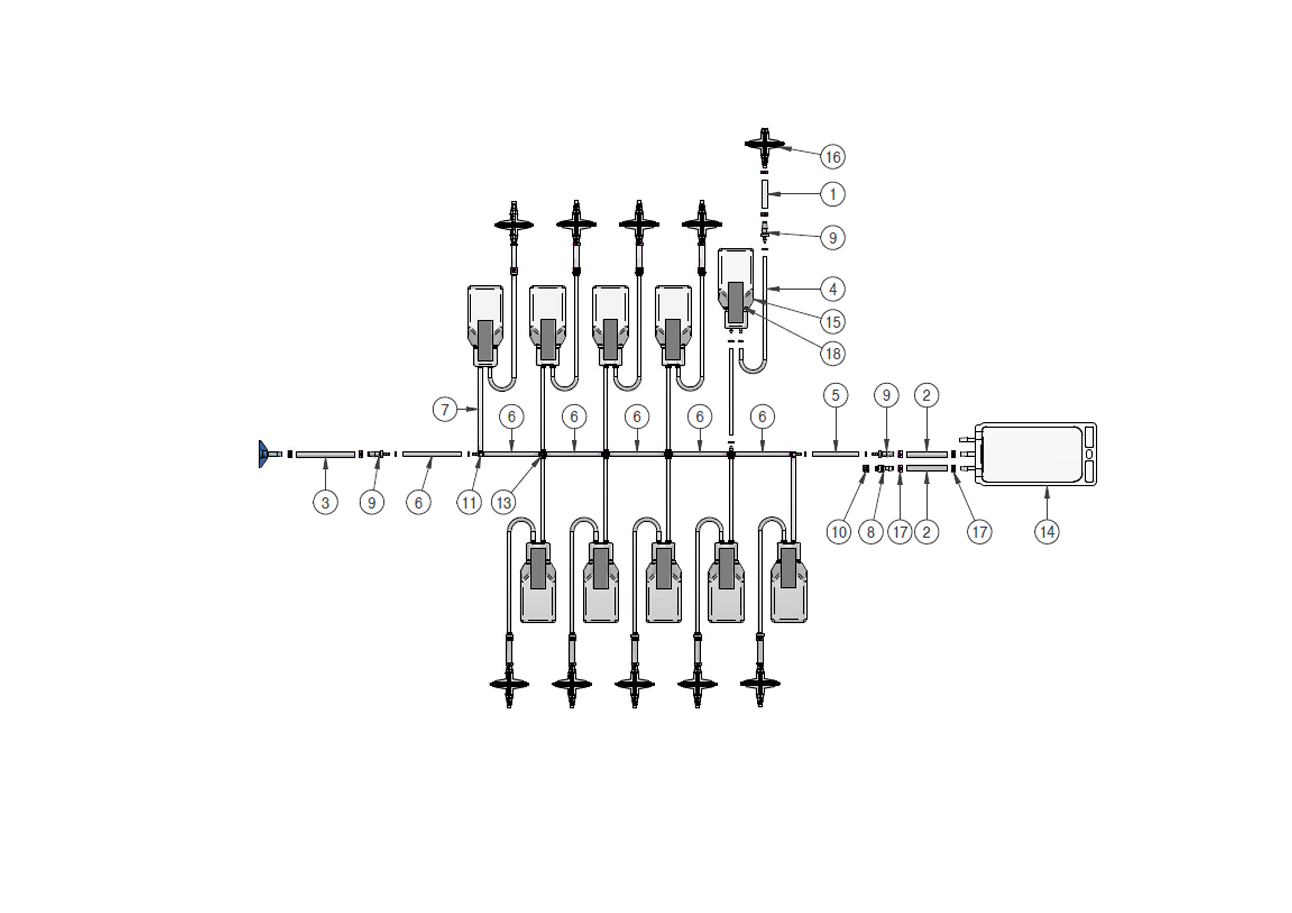
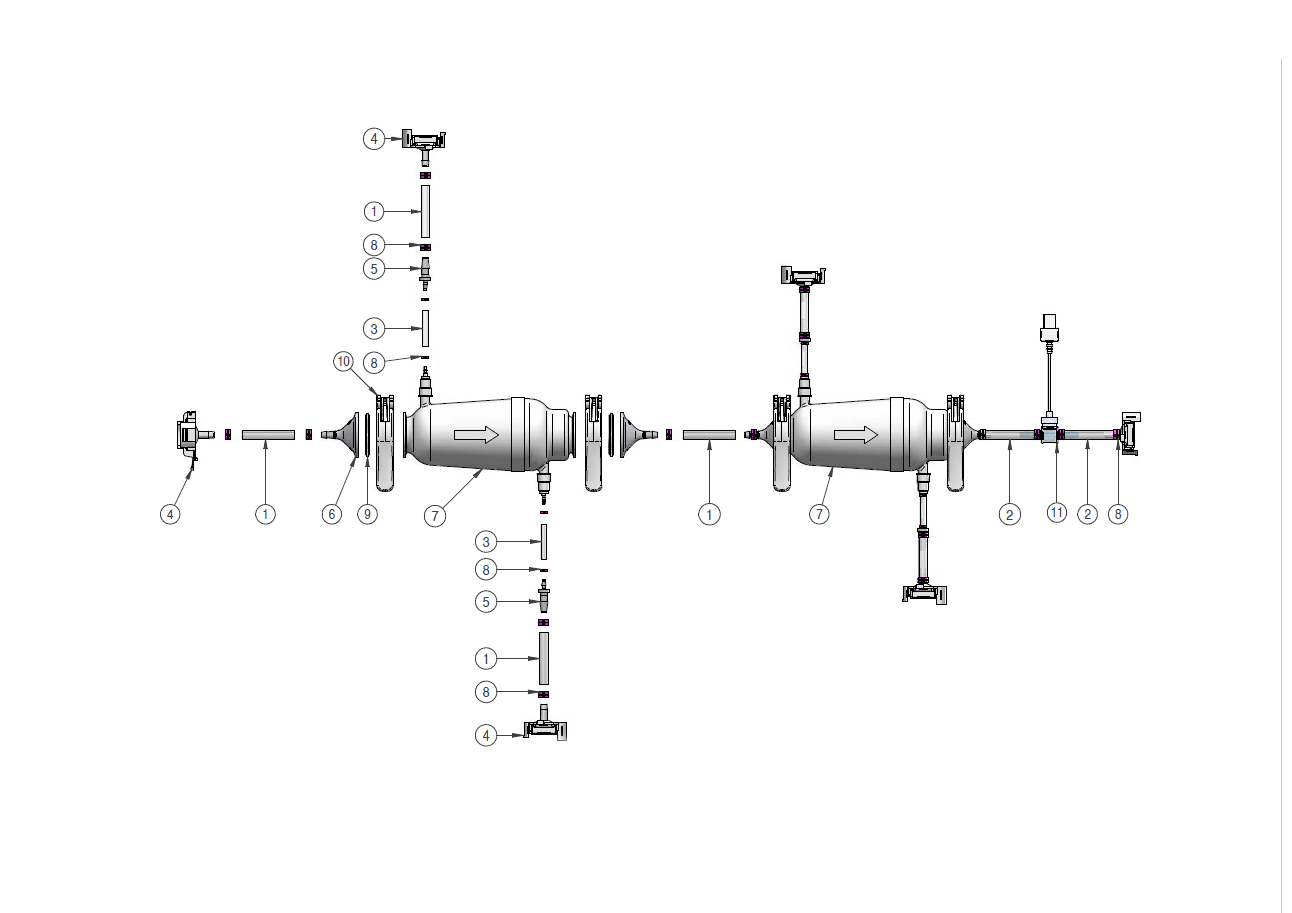
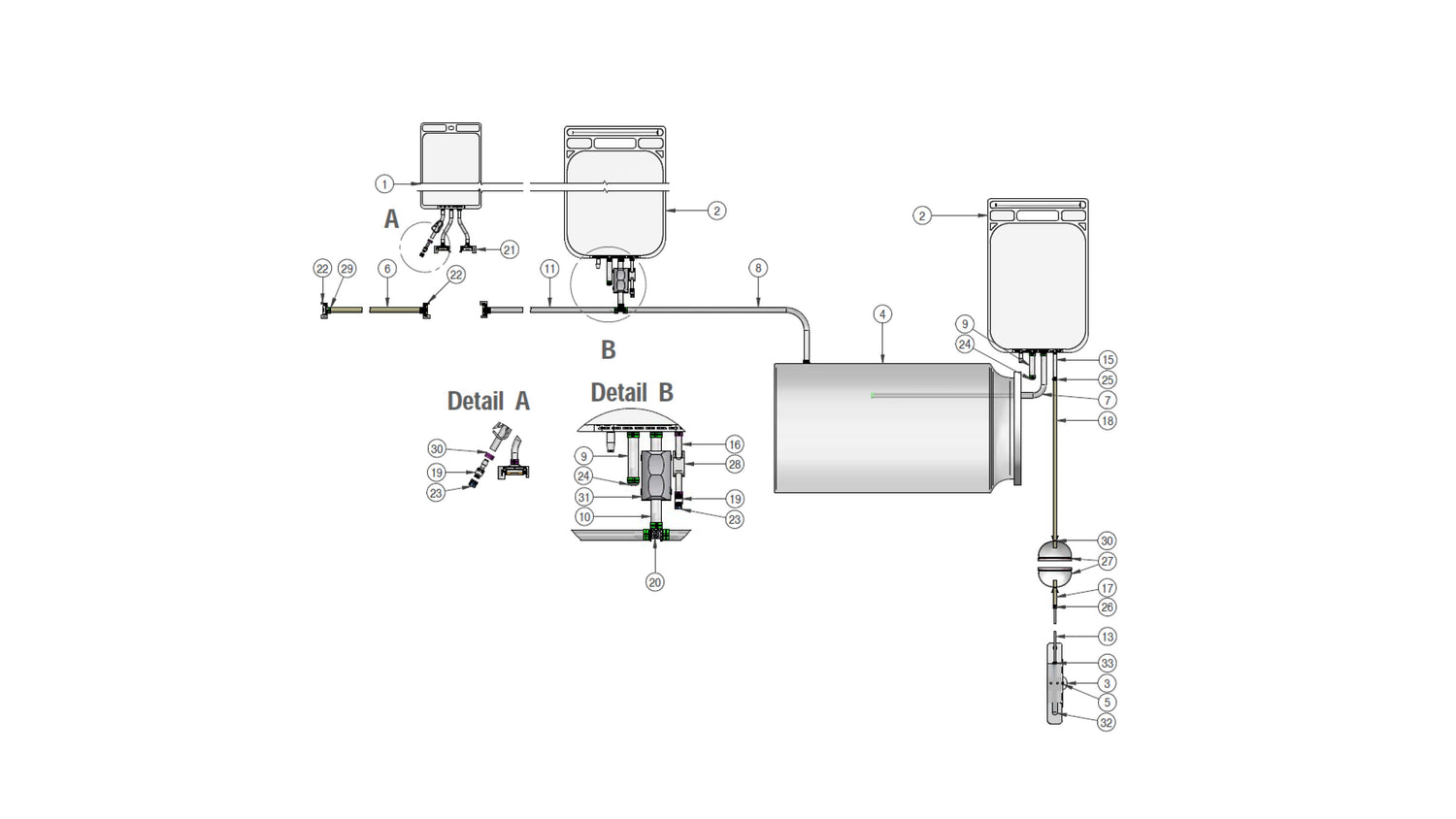
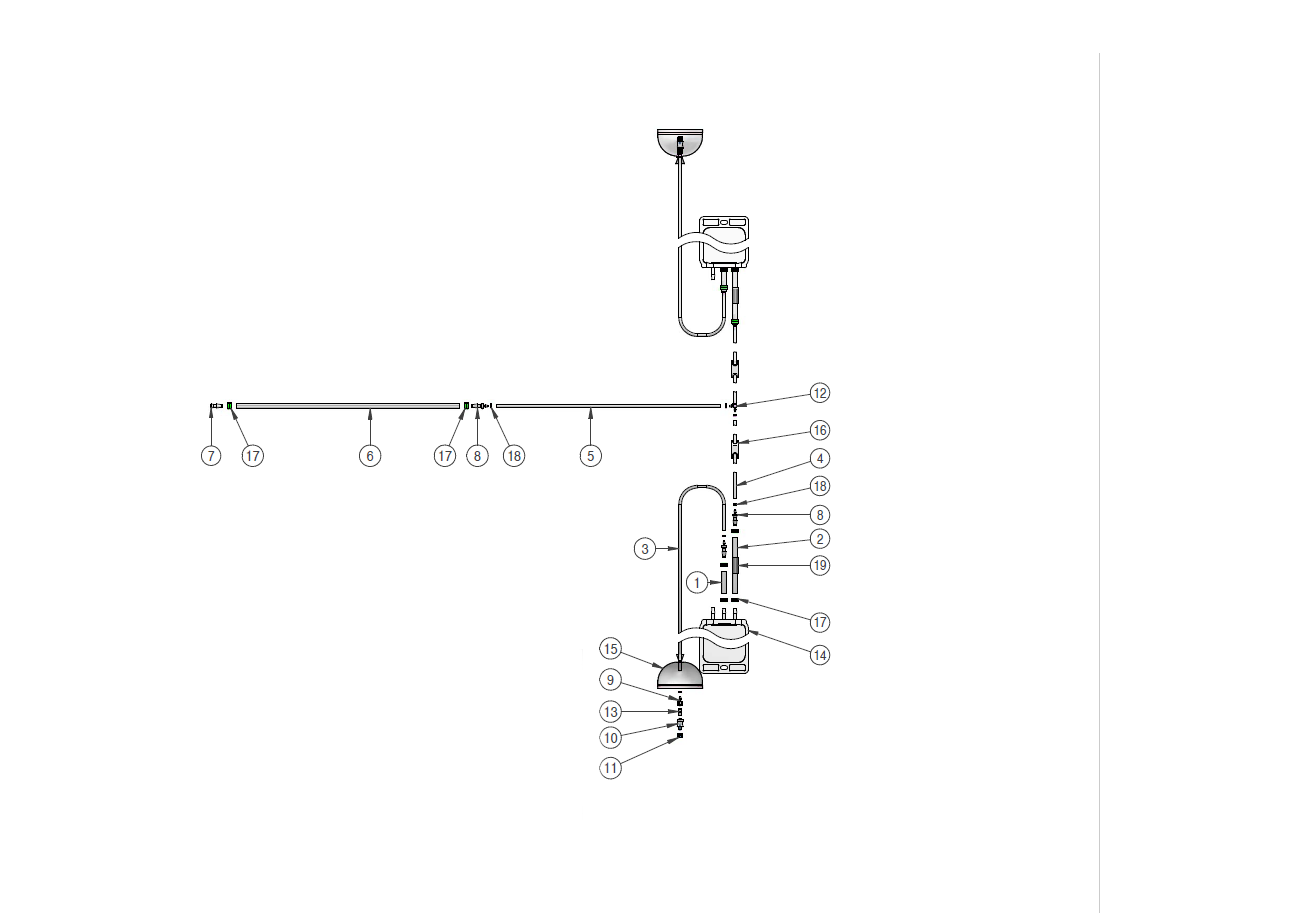
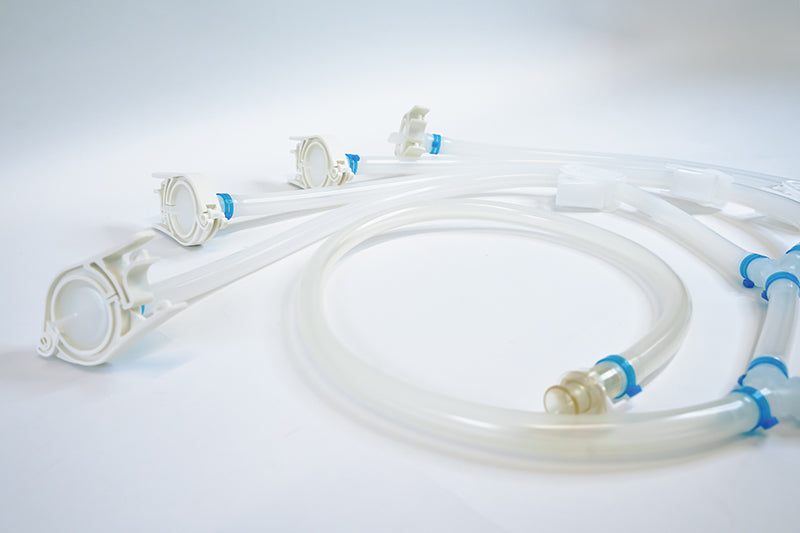
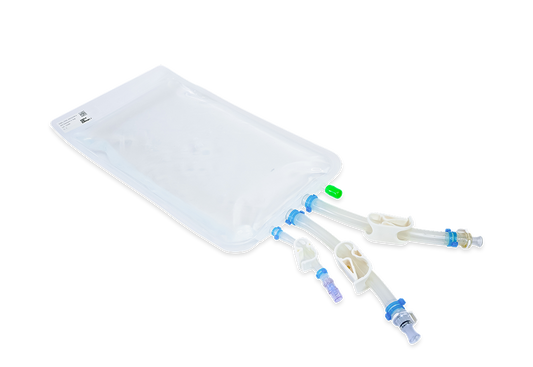
Image of IRIS Single-Use Assemblies on a transparent background.

Key features

ISO 7 cleanroom assembly

Assembled in controlled ISO 7 cleanrooms to support product quality and consistency

GMP & Annex 1 compliance

Adherence to the stringent requirements of GMP, including Annex 1 guidelines

Supply chain security

Dual- or multiple sourcing enables a validated safety net, increasing flexibility, and promoting long-term stability

Complete service

Labeling, packaging and sterilization are taken care off by Single Use Support

Reliable and flexible fluid handling for GMP manufacturing

Our single-use manifold assemblies ensure smooth, uninterrupted processes while adapting to your specific application needs.

  • Ensures uninterrupted supply and reduced downtime in production
  • Enables flexible integration into existing processes and setups
  • Simplifies procurement and supplier management with vendor-agnostic design
  • Supports consistent and scalable manufacturing operations

From configuration to ready-to-use assemblies

Each single-use assembly is customized based on defined components and application requirements. After design and drawing approval, assemblies are manufactured in ISO 7 cleanrooms, followed by labeling, packaging, and sterilization for GMP-ready use. 

  • Clear medical tubing with connectors on a light gray background
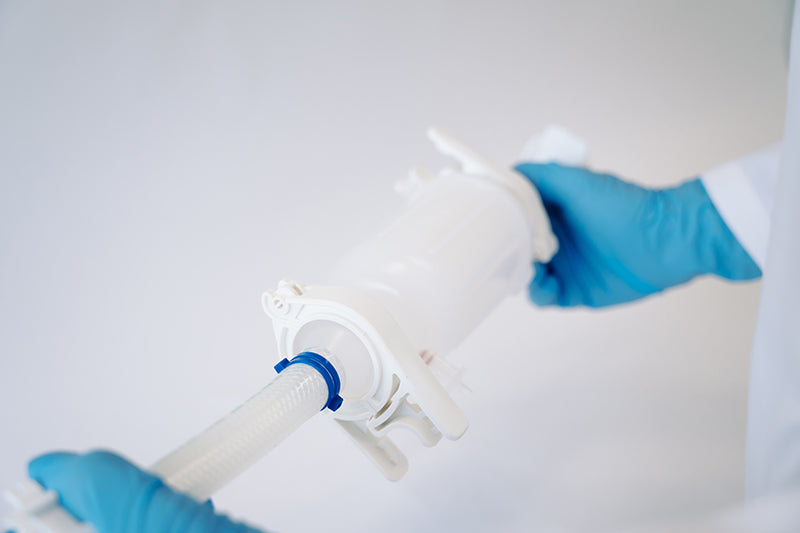
  • An image of a fluid transfer filter held by a person wearing blue gloves.
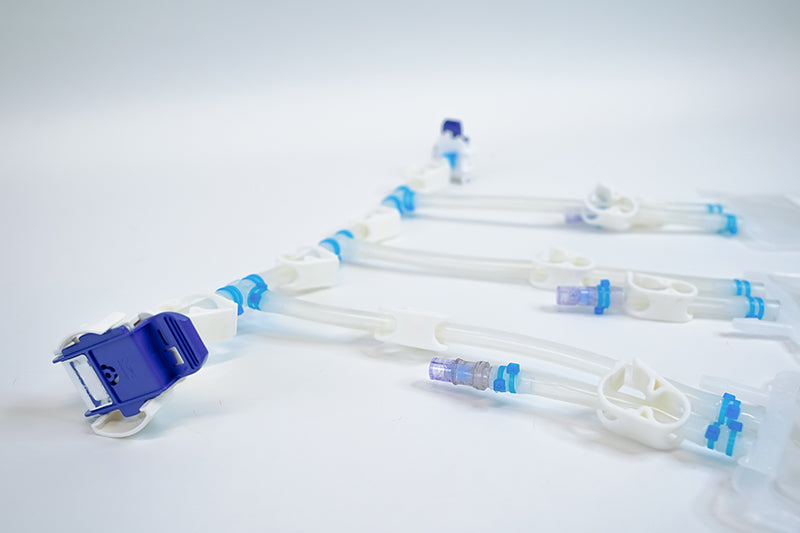
  • A close-up image of an IRIS single-use assembly sample bag.
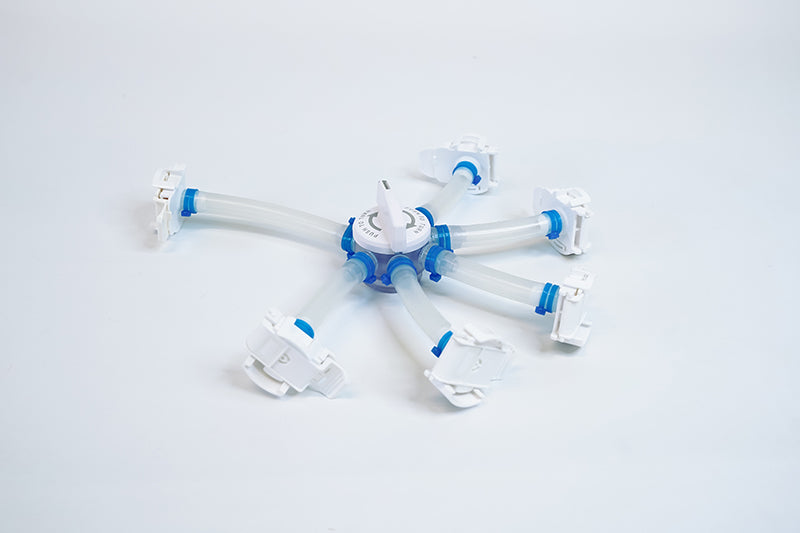
  • A single-use five way distributor on a white background.

Our customers trust in us:

Downloads

Preview of datasheet for IRIS single-use assemblies by Single Use Support

Datasheet

IRIS Single-Use Assemblies - Datasheet

IRIS Single-Use Assemblies - Datasheet
 
Preview of Single Use Support's case study about single-use assembly capabilities

Case study

IRIS Single-Use Assemblies Capabilities - Case Study

IRIS Single-Use Assemblies Capabilities - Case Study
 
Preview of Single Use Support's whitepaper about the creation of single-use assemblies for pharmaceutical fluid management

Whitepaper

IRIS Single-Use Assemblies: Connecting the dots - Whitepaper

IRIS Single-Use Assemblies: Connecting the dots - Whitepaper
 

Send a request

  • Dual Sourcing: Strengthening the Pharmaceutical Supply Chain for Single-Use Assemblies

    Single Sourcing vs. Dual Sourcing Do you remember when lead times were months instead of weeks? During the COVID-19 pandemic, biomanufacturers faced several significant supply chain challenges: Lockdowns and restrictions led to disruptions in transportation and logistics, complicating the movement of raw materials and finished products.  Increased demand for certain biomanufactured products such as vaccines or therapeutics often resulted in shortages of critical raw materials with long lead times. For instance, bioprocess containers experienced lead times ranging from one to four months. Essential items like filter capsules, isolator technology, and assemblies sometimes had lead times extending from 14 up to 60 weeks. Additionally, there was a significant shortage of supplier specialists and engineers, which further complicated the process of setting up and stabilizing biomanufacturing processes. Increased shipping times and costs due to port congestion and limited freight capacity exacerbated these supply chain issues. These challenges prompted many biomanufacturers to rethink their supply chain strategies, resulting in an emphasis on local sourcing, flexibility, and resilience to better prepare for future disruptions. This scenario brings us to dual sourcing and its capability to strengthen the robustness of the pharmaceutical supply chain. Benefits of Dual Sourcing and Multi Sourcing What do dual and multi-sourcing entail? These strategies are one of the core methods to strengthen the pharmaceutical supply chain. Dual sourcing strategies involve obtaining a particular product or single-use system from two suppliers, ensuring continuity of supply for critical components.Multi sourcing, on the other hand, involves sourcing from multiple suppliers, providing diverse quality levels, prices, or innovative features. Both strategies are vital for enhancing resilience and adaptability in global markets characterized by rapid changes and uncertainties. Vendor independence is a crucial factor for enhancing supply chain robustness. It allows companies to negotiate better prices and terms, switch suppliers if costs rise, and maintain competitive expenses. In a dynamic environment where demand can fluctuate rapidly, having multiple vendors enables biomanufacturers to flexibly scale operations, avoiding bottlenecks and delays. Maintaining relationships with various vendors also provides more data and insights about the supply chain, improving decision-making, forecasting, and planning. Collaboration with different vendors can lead to better products and more efficient manufacturing processes. Challenges in Pharmaceutical Procurement Strategies However, dual and multi-sourcing programs present several challenges. A procurement strategy is much more than simply selecting new suppliers, as it involves ensuring timely delivery of quality medicines, and managing relationships to control costs. The cost of validating a second source can be high, requiring evaluation of each supplier's materials, processes, and facilities. Transferring processes between suppliers can be complex due to unique technologies and equipment. Managing relationships with multiple suppliers increases communication complexity and administrative overhead. Despite these challenges, fostering competition between suppliers can lead to better pricing and terms. Most dual and multi-sourcing programs are carried out through requests for quotations (RFQs) for single-use assemblies. Potential suppliers are identified based on their capabilities, compliance with regulatory requirements, and previous performance. The goal is to select suppliers that can meet quality standards, desired delivery times, and overall price expectations. The biopharmaceutical industry is highly regulated, necessitating strict adherence to quality and regulatory standards to ensure compliance. Supply Chain Resilience with Agnostic Integrator An agnostic integrator plays a crucial role in this context. As a supplier-independent manufacturer, they provide customized single-use systems tailored to specific client needs, accommodating various biopharmaceutical processes. Their independence allows them to select the best components and materials from multiple sources, ensuring compatibility and functionality. They ensure their products meet stringent industry regulations and quality standards, handling testing and validation to provide assurance of correct and safe functioning in bioprocessing applications. Flexibility in testing and validation is a core competence of an integrator to meet quality requirements.   More about Vendor-Agnostic Integrators   Single Use Support as Robust Integrator In conclusion, understanding the requirements for dual and multi-sourcing is essential for producing sterile consumables and single-use assemblies according to industry standards for filling systems, as well as upstream, downstream, and fill-finish processes. One of Single Use Support’s core competencies is creating robust solutions using different market components swiftly. Our experience with multi-sourcing programs has provided insights into keeping these programs efficient and cost-effective. Partnering closely with customers and suppliers requires considerable effort but leads to more resilient and adaptable supply chains.   IRIS Single-Use Assemblies  

    READ MORE
  • Interview: Considerations for Sterilization of single-use assemblies

    Khalil Essani is Techical Product Owner - Sterile Consumables at Single Use Support. As single-use system enthusiast, he has led several projects to develop and deliver single-use assemblies. Working closely with various biomanufacturers he strives to provide the industry with advanced fluid management to enhance patient safety. In this interview he gives insights into the field of single-use sterilization technology. When are single-use assemblies sterilized? Single-use assemblies are typically sterilized at different stages depending on the specific requirements of the customer's operating environment and the need to produce a sterile product. Contamination poses a significant threat and risk to any manufacturer, impacting the effectiveness of the process and the overall safety. Therefore, the production of sterile products is always necessary and expected. We supply single-use assemblies for various grades, including D, C, B, and A, ensuring they are manufactured in the most secure environment possible. The sterility requirements may vary throughout the process, with the highest degree of sterility necessary for the final drug product. For example, low bioburden levels are crucial to maintain sterility. Contamination poses a significant threat and risk to any manufacturer, impacting the effectiveness of the process and the overall safety.Khalil Essani What are typical types of sterilization for single-use assemblies? You can distinguish between two overall types of sterilization methods used for single-use assemblies. Irradiation methods, such as Gamma, X-ray, and E-beam (beta), are commonly employed for sterilizing single-use assemblies. These methods utilize radiation to effectively eliminate microorganisms and achieve sterilization. Both e-beam and gamma irradiation operate at the molecular level, but the difference lies in the mechanism: e-beam sterilization involves electron bombardment, while gamma irradiation utilizes cobalt or other radioactive materials. Heat/temperature sterilization options for single-use assemblies include autoclave sterilization, which involves subjecting the assemblies to high temperatures ranging from 121-138°C under pressure, and depyrogenation, a process where the assemblies are exposed to elevated temperatures ranging from 180-400°C to remove pyrogens. These sterilization techniques ensure the necessary level of sterility and safety for single-use assemblies, making them suitable for various applications where a sterile environment or production of sterile products is required. What advantages does gamma irradiation have - as most used sterilization technique for single-use assemblies, compared to other sterilization methods? When comparing irradiation methods, such as gamma irradiation, to heat sterilization, such as autoclaving, several advantages can be observed, especially in the context of single-use assemblies used in the pharmaceutical industry. In addition to the process simplicity of irradiation methods, gamma irradiation offers distinct advantages for closed systems when using polymers, silicones, and elastomers in pharmaceutical applications. Single-use assemblies are often designed as closed systems with specific geometries that do not retain moisture. Gamma irradiation provides a straightforward sterilization process compared to the complexities of steam and heat used in autoclaving. Another advantage is the minimal surface structure alteration. Gamma irradiation has a minimal impact on the surface structure of the materials. This leads to reduced formation of extractables and leachables that can migrate from the assembly materials into the product. Gamma irradiation is generally a versatile method that can be applied to various single-use assemblies.Khalil Essani And why gamma as the most prominent technique within the irradiation methods? Well gamma irradiation specifically offers the following advantages over x-ray and ebeam. First, it provides a deep material penetration: Gamma radiation with cobalt can penetrate deeper into materials compared to other methods such as e-beam sterilization with beta waves. Second, gamma irradiation is well-established and widely accepted. You don’t just change a running system without a good reason. Using gamma irradiation eliminates the need for additional validation that may be required for alternative methods like e-beam sterilization. You can say that gamma irradiation is generally a versatile method that can be applied to various single-use assemblies. However, there may be instances where certain components, such as filters, are not compatible with gamma irradiation and require alternative sterilization methods. What must be considered while choosing sterilization methods? A lot of aspects and consideration should be taken into account, when choosing sterilization methods for single-use assemblies. We start with defining customer expectations and validations. It is imperative to understand the specific requirements and expectations of the customer and ensure that the chosen sterilization method aligns with their needs. We then consider the validation requirements for the components to ensure that they remain functional after sterilization. Also, it is important, of course, to guarantee compatibility with configurations. We verify that the assembly's configuration is compatible with the chosen sterilization method. For example, certain components like a 2-meter-long tube may not be suitable for autoclaving. We then check the method-assembly compatibility, where we ensure that the method chosen for sterilization aligns with the design and materials used in the assembly. Each method has its limitations and specific considerations. Finally, the logistics of sterilization must also be considered. More precisely, the logistics and practical implementation of the chosen sterilization method. We make sure that it can be effectively applied. At Single Use Support, we take over all these services for our customers from a single source, clarify all validations and compatibilities and create a ready-to-use assembly. Future considerations: What type of sterilization will be leading in the future? Gamma irradiation is currently in high demand. However, it comes with longer lead times and associated costs due to supply challenges and availability. Therefore, the logistical inconvenience may drive the exploration and adoption of alternative sterilization methods.  There is potential for x-ray sterilization to become a leading sterilization method in the future. It offers potential advantages such as simplified logistics and faster turnaround times which accelerates and soothes the process. First guides to implement x-ray sterilization are already published. More and more companies validate and explore the use of x-ray sterilization, and it will be exciting to see if x-ray sterilization will replace gamma sterilization as the leading method. IRIS Single-Use Assemblies  

    READ MORE
  • Sterile Connectors for use in Pharma

    Manufacturers of aseptic single-use connectors: Their advantages in an overview Aseptic connectors link important medical applications with one another. Preferrably easy and quick to use and it must grant sterility, even if the environment around them is not sterile. The smooth and absolutely loss-free exchange of these valuable fluids in medicine has top priority. The precious medical substances are transferred using couplings from devices e.g. filtering, freezing, thawing and transferring to other instruments. Connectors and single-use assemblies are used to establish a fluid path between single-use equipment or devices and single-use bags or bottles. Thanks to numerous test procedures medical connectors can withstand extreme temperatures, guarantee the flow properties and tightness even at high pressure, and guarantee the sterility and durability. Connectors play a key success factor. The connection to different applications is advised to be simple and straightforward, but above all, it must be reliable and safe. Its industry-wide well-known manufacturers offer the best products for the biopharmaceutical sector: Sartorius / OPTA®SFT CPC / AseptiQuik® Cytiva / Kleenpak® Presto Merck Millipore / Lynx® Single Use Support / Single-Use Assemblies IRIS Sartorius The Sartorius Group can look back on 150 years of company history. 150 years of development from a precision-engineering workshop to a leading international life science group that has made its business to support biotech scientists and engineers all over the world in the development and manufacturing of drugs – from the first idea to the production. Today the company’s focus lies on the supply of life science products for development and manufacture of drugs, their storage, transport and the optimization of the drug flow. This is achieved by continuous training, improvement of processes, and adaptation to current conditions. OPTA® SFT sterile connectors Sterile plug connectors include products such as the OPTA® SFT sterile connectors. The connectors are just as different as the requirements in hospitals and laboratories. There is a separate sterile connector for each type of connection. This is the only way to guarantee a smooth fluid transfer which is sterile, fast and reliable. The OPTA® SFT-I connectors are available as individual components, but can also be optimally combined with other assemblies in the Sartorius series. CPC - Colder Products Company Global CPC was founded in 1978 in St. Paul, Minnesota. Colder Products Company, abbreviated CPC, is now a Dover company. As specialist for connection, coupling and fittings solutions, Colder offers a complete range of aseptic connectors in top quality and purity for cleanrooms.CPC connection solutions include precise hose barbs for superior grip, built-in shutoff valves to prevent product spills, and an easy-to-use, push-button thumb latch for quick connecting and disconnecting. Clean, fast, safe and intelligent assemblies can thus be made. AseptiQuik®- Connectors from CPC CPC offers a range of different types of connectors. Depending on the area of application, they have to meet different requirements with regards to properties such as flow rate or pressure-resistance (high and low pressure). AseptiQuik® has a robust construction and provides reliable performance, without mounting or tubing welding machines. They enable an absolutely sterile transfer between tubing and bag systems, also in non-sterile environments. An easy-to-use push button thumb latch enables swift connecting and aseptic filling of liquids. Their ease of use is topped off with genderless connections. PALL Corporation The company PALL Corporation, known in many fields of activity under the umbrella of the Danaher Corporation, was founded in 1946 in Port Washington, New York. Now the area of activity in the field of filtration systems range from biotech, to food and beverages, laboratories, medical technology, aerospace, chemicals and polymers, industrial manufacturing, microelectronics, oil and gas to power generation. Complex challenges in separation, cleaning, and filtration throughout the biomanufacturing of drugs are solved at PALL. Kleenpak® Presto sterile connectors The sterile genderless connectors by PALL called Kleenpak® Presto represent intuitive, reliable and safe medical connectors. They are available in different sizes and offer intuitive and easy handling. Absolute sterility in non-sterile rooms is also guaranteed by the simple removing of a latch after successful connection. Kleenpak® Presto sterile connectors are of impeccable quality. Made from Bisphenol-A (BPA)-free polyethersulfone (PES), they are compatible with a wide variety of medical fluids and solvents. Merck Millipore Founded in 1668 in Darmstadt, Germany, the company Merck KGaA started out as a family-run pharmacy. Over 353 years it has grown into a global pharmaceutical and chemical company committed to promoting discoveries that improve the lives of people around the world. Millipore, a former company for filtration in biotechnology, was acquired by Merck in 2010 and is now part of the life science division of the pharmaceutical and chemical company Merck KGaA from Darmstadt. Headquartered in Billerica, MA, the company is expert in developing and manufacturing products in life science, for example membrane filter devices for separating the molecular components of liquid samples. This is also where the company's name comes from, “Millipore”: it refers to the numerous tiny openings in their microporous membrane product. Today, Merck Millipore provides scientists and engineers with industry-leading laboratory materials, technologies and services. Merck Millipore Lynx® CDR Sterile Connections The Lynx® CDR by Merck Millipore series promises ergonomic, fast and simple connections and multiple usage. Absolute sterile connections, disconnections and separating of single-use assemblies is possible with Lynx® CDR unlike with other aseptic standard single-use connections. The sterile connector is available in a wide range of sizes, from a 3/8- inch hose barb to a 1 ½ inch TC, and offers great flexibility for connecting different-sized tubing. The Lynx® CDR connectors are made of high temperature resistant polysulfone (PSU) and silicone seals. The sterile connectors remain absolutely sterile with liquids as well as with high pressures.   Integrate Single-Use Connectors to your Single-Use Assembly   Company Sartorius CPC Colder PALL Corporation Merck Millipore Name of the product OPTA® SFT-I Serie AseptiQuik® Kleenpak® Presto Lynx® CDR Type of connector Sterile connectors Aseptic connectors Sterile connectors Sterile connectors Material Polycarbonate (PC), Santoprene seal, hydrophobicPolyethersulfone membrane Polycarbonate (PC), silicone seals,Polyethylene membrane Bisphenol-A (BPA) free polyethersulfone (PES) Polysulfone (PSU) and silicone seals Resume Can be used for low temperatures and autoclaving Easy-to-use Can be used for low temperatures and autoclaving Huge selection of types and sizes of connectors Easy-to-use Genderless Can be used for low temperatures and autoclaving Easy-to-use Genderless Can be used for low temperatures and autoclaving Easy-to-use Genderless Multi-Use optional (ST) Single Use Support and Sterile Connectors All high-quality sterile connectors including OPTA® SFT (Sartorius), AseptiQuik® (CPC), Kleenpak® Presto (PALL), and Lynx® CDR (Merck Millipore) are being assembled by Single Use Support. The company headquartered in Kufstein, Austria, offers a seamless transition from hose to single-use bag. By purchasing the supply system and single-use tubing assembly from the same source a seamless, loss-free and optimal flow is guaranteed. As vendor-agnostic company Single Use Support enables compatible fluid paths even when using different single-use components. If there are supply shortages for speficic products, Single Use Support helps to find equivalent alternatives. This scale-up company focuses on maximum flexibility and scalability with full control and adherence to strict quality standards through gamma irradiation or e-beam and compliance requirements. Thanks to lean project management and ready-to-use components on stock, the Austrian supplier for single-use systems can shorten delivery times down to 14 days. [[download-1]] Not only for the use of the Single Use Support platform systems, such as RoSS.FILL, the independent single-use assemblies enable absolutely every customer request to be individually mapped and implemented in the shortest possible lead time. Customers appreciate Single Use Support's focus on offering flexible process solutions for individual processes, whilst maintaining top quality and quick delivery. Your connections are manufactured individually according to your specifications and include the following: Y, T and cross connections - also called: fittings Filters Clamps and plugs Closures for (sample) bags and bottles Custom-made products including special items At Single Use Support fittings and connectors are double-fixed with cable ties to avoid leaks. All products are strictly controlled and are traceable as they go through the highest quality tests. Performed analytical tests examine endotoxins, sterility, particulates, biocompatibility and more. The inner surface is irradiated with gamma rays or electron beams and thus offer sterile, smooth and loss-free fluid transfer. Time is valuable to our customers, which is why Single Use Support have shortened assembly times, reduced downtimes and optimized process steps with our platform systems. Protect your valuable active pharmaceutical ingredient and rely on the highest quality with a system that is perfectly coordinated. Contact us and request a quote for single-use assemblies.    Contact us now

    READ MORE

FAQ about sterile single-use assemblies

What validation guidelines are in place at Single Use Support manifolds?

+

​​Single Use Support’s commitment to qualification standards means providing solutions that adhere to the stringent requirements of GMP, including Annex 1 guidelines. We assist clients in qualifying their processes with comprehensive documentation aligned with current Good Documentation Practices (cGDP).

The manufacturing of single-use assemblies is performed in ISO 7 cleanrooms, followed by labeling, packaging and sterilization.

Is it possible to customize single-use assemblies?

+

Yes, Single Use Support offers customized solutions, where CDMOs and manufacturers can develop single-use manifolds tailored to their specific fluid paths. Once customized, they can get their single-use assembly off-the-shelf, anytime.

What single-use components can be purchased via Single Use Support?

+

Anything you require can be included in your single-use manifold assembly. Be it equipment for filtration, clamps, gaskets, beta bags and stainless-steel protective shells for cell culture media, or other components based on single-use technology.

Are single-use filtration assemblies from Single Use Support compatible with other manufacturers?

+

IRIS single-use filtration assemblies offer full flexibility since they are manufactuerer-independent. For example, filtration assemblies can be integrated into Single Use Support's RoSS.FILL platform system or any other platform from other suppliers. 

Why should I implement a dual sourcing strategy?

+

Dual- or multiple sourcing strengthens the biopharmaceutical supply chain by providing a validated safety net, increasing flexibility, and promoting long-term stability, based on your preferred single-use components. It ensures that supply sources are well-managed, with contingency plans in place to handle unforeseen disruptions. For example, if a specific single-use component from Vendor X is unavailable, a Vendor Y alternative can be seamlessly integrated, maintaining production continuity.