Freezing biologics is an almost unavoidable step in the process of preserving and storing them for an extended period of time. After all, biologics encompass a diverse range of therapeutic products derived from living organisms. They include monoclonal antibodies, protein solutions, and other vaccines – complex formulations engineered to treat various diseases and medical conditions. The freeze-thaw process requires close attention to formulation, cooling rates, and cryoprotective strategies to maintain the stability and efficacy of the drug product along the cold chain.
A safe cold storage of biologics is key in ensuring the efficacy and safety of pharmaceutical products throughout their lifecycle. As the demand for biopharmaceuticals continues to rise, so does the need for efficient and reliable storage solutions that maintain the integrity of the cold chain. Biologics are often highly temperature-sensitive, requiring precise control to prevent degradation and ensure potency.
In this article, we will discuss essential requirements, optimization strategies, and innovative solutions for a CDMO to freeze and store biologics along the cold chain – from ultracold and cryogenic freezers to solutions for safe packaging of biologics.
Biologics early considerations
Freezing biologics demands the consideration of various critical factors to uphold their integrity and efficacy throughout the process. Some of these considerations include:
Container selection: There are various types of containers to choose from when freezing biologics, including vials, single-use bags, bottles, or cryovessels. It is important for manufacturers to consider the thermodynamic characteristics of the materials the primary packaging is made of to ensure that they can endure the stress that may come with extreme temperature gradients while protecting valuable therapies, such as mAbs, ADC, or mRNA vaccines.
However, container options do not only differ in terms of built materials, but also in regard to their size and shape: The volume of individual units significantly impacts their freezing behavior, thus also the risk for detrimental effects of freezing like unwanted ice crystal formation or protein concentration.
Formulation and cryoprotective agents: Biologics are highly complex structures, but they are often frozen in combination with other substances, such as cryoprotective agents (CPAs or cryoprotectants). Excipients like glycerol and glycol in formulation development play vital roles in mitigating cryoconcentration effects and sustaining the stability of proteins during freezing and thawing cycles.
Freezing and thawing protocols: Cooling rates are a fundamental aspect in achieving desired freeze-thaw profiles and preserving protein stability. It is one of the most decisive steps in unit operation of pharmaceutical freezers, which is why the next chapter will discuss this facet in more detail. [[1]]
Hitting the right cooling rate and speed for biological drug substances
Hitting the optimal cooling rate is crucial when freezing biological drug substances. This rate directly impacts various aspects of the process, including ice formation, protein denaturation, and overall product stability.
Since there is no cooling and thawing rate that is considered to be universally ideal, it has to be individualized for each product. This requires thorough performance qualification (PQ) and stability tests, including characterization of all its components and the kinetics occurring during freezing.
Linked to freezing rates is the time for phase transition as an even more crucial factor for protein stability: It refers to the amount of time it takes for the product to transition from the liquid to the frozen state, and determines effects like cryoconcentration, pH changes, and glass formation. [[2]]

Freezing strategies for biologics
Biotechnology knows several freezing strategies for biologics, with some of them being more eligible than others. However, it always depends on the very scope that a pharmaceutical company or CDMO has when subjecting their products to a distinct freezing method, as well as the individual product characteristics.
In the following sections, we will discuss four methods to freeze biologics and biosimilars.
Slow uncontrolled freezing
Slow uncontrolled freezing, characterized by gradual cooling rates and minimal control over ice crystal formation, may appear as a simple approach, but poses significant risks to protein solutions. This method is often performed with static upright freezers that are designed to hold the temperature rather than lowering it. Static freezing technologies are associated with slow freezing without options to accelerate the freezing performance, which results in the formation of unwanted ice crystals, inducing denaturation and compromising product stability. Furthermore, slow freezing brings an increased risk for cryoconcentration, describing an inhomogeneous distribution of protein mass within the sample. [[3]]

Lyophilization of biologics
Lyophilization, or freeze-drying, stands as a popular method for preserving biologics, involving freezing the product followed by ice removal under vacuum for extended frozen storage. This process utilizes buffer solutions like sucrose to minimize ice nucleation and stabilize protein formulations.
While lyophilization offers advantages in the preservation of biopharmaceuticals, it also presents disadvantages. These may include high operational costs, longer processing times, and product loss as a result of protein denaturation. Therefore, products like pharmaceuticals based on LNPs are usually not freeze-dried. [[4]]
Controlled plate freezing
Controlled plate freezing is a methodical approach to freezing biologics that involves precise regulation of freezing rates and temperature gradients. This technique is not only valuable during process development and small-scale production: With innovative plate freezing and thawing systems like RoSS.pFTU, both small and large-scale freezing of biologics in single-use bags is possible.
By optimizing heat transfer and freezing time, controlled plate freezing ensures the preservation of protein stability throughout the freezing process, with a decreased risk for protein aggregation and other unwanted freezing effects.
 |
Freeze & Thaw platform The Single Use Support freeze-thaw platforms is a controlled-rate plate-based freeze and thaw platform for single-use bags. The freeze-thaw units are fully scalable and compatible with all batch sizes and bags from all established manufacturers. Manufacturers require only one system from the clinical phase to blockbuster production. |
Blast freezing of bulk-packaged biologics
 |
RoSS.BLST | Blast freezer for pharmaceuticals RoSS.BLST is a GMP-compatible system for blast freezing & thawing of drug substances. It is suitable for any primary packaging from all manufacturers and allows freezing and thawing within a temperature range of -80°C to +40°C. The modular and mobile internal rack system offers maximal flexibility and enables a simple transfer from blast freezing to ultra-cold storage. |
Cryogenic freezing and cryopreservation
Cryogenic freezing involves the use of extremely low temperatures (down to around -180°C) for the preservation of biologics, ensuring long-term stability and viability. This method, integral to cryopreservation, safeguards the integrity of biotherapeutics over extended periods.
Cryobiology plays an important role in individualizing the ideal process parameters and storage temperatures for, e.g., cell therapies, which are typically stored at around -150°C. It represents an essential preservation method in bioprocessing, when ultra-low temperatures (around -80°C) are not sufficient to preserve product quality.
Control over freezing rates, though, has long been a major challenge during cryogenic freezing, due to the use of liquid nitrogen as cooling medium. Single Use Support has therefore developed the first truly controlled cryogenic freezer, the RoSS.LN2F, which protects biologics from full exposure to LN2 while following adjustable freezing profiles. [[5]]
 |
RoSS.LN2F | Cryogenic Freezer RoSS.LN2F is a powerful cryogenic controlled rate freezer for temperatures down to -170°C. An enclosed LN2 system and our innovative direct injection system ensure no direct exposure and no mechanical compressors are needed. This ensures a safe, low-maintenance and energy-saving handling. |
Freezing biologics and the advances with single-use technologies
For cryopreservation of sensitive biologics, Single Use Support considers controlled-rate plate freezing, blast freeezing, and cryogenic freezing as effective approaches to control both the cooling and thawing process. These methods can be tailored to meet individual product requirements regarding cooling rates and target temperatures, ensuring optimal results upon thawing. This is why Single Use Support offers innovative solutions for mentioned freezing methods, providing reliable and scalable options for controlled freezing and thawing.
- The plate-based freeze and thaw technology of the RoSS.pFTU platform ensures homogeneous processing with full control over the process, minimizing the formation of ice crystals and maintaining the stability of biologic substances.
- If a CDMO selects biopharma bottles or other large containers as primary packaging, RoSS.BLST is the optimal solution to ensure maximum product stability throughout the cold chain.
- The cryogenic freezer RoSS.LN2F, on the other hand, enables pharmaceutical manufacturers to ensure long-term storage at even lower temperatures, ensuring the viability of biotherapeutics like certain cell-based products – for small and large volumes.
All of these systems operate with high-quality single-use bags enclosed in the RoSS® shell as a protective packaging solution. while blast freezers are recommended with single-use bottles and large containers where plate-freezing cannot be applied. The modular and vendor-agnostic setup makes Single Use Support's freezing solutions fully scalable, meeting both small and large scale demands when processing bulk drug substances.
Single Use Support couples the individual strengths of plate and cryogenic freezing with the overall advantages of single-use technologies: They allow for safe and efficient bioprocessing, with elevated flexibility, cost-effectiveness, and sustainability due to a reduction of resource consumption for manual cleaning and sterilization.
What’s needed for the cold chain of biologics?
The safe storage of biologics along the cold chain requires meticulous attention to several critical factors to ensure product integrity and efficacy. From temperature control to protection from contamination, various elements must be carefully managed to maintain the quality of biologic products throughout biomanufacturing – all in regard to regulatory compliance.
What makes cold chain management of biologics and biosimilars even more complex is the need for individualized approaches, depending on the very product or intermediate that is currently being processed. Different types of biologics have unique requirements and vulnerabilities – e.g. physical stress, light or oxygen exposure. One of the most common aspects to be considered is temperature, along with bringing efficiency and safety into harmony.

Temperature control in cold storage
Temperature control plays a pivotal role in the storage of biologics due to the inherent sensitivity of these products to temperature fluctuations. Biologics, such as mRNA vaccines or allogeneic stem cell therapies, often contain delicate molecular structures that can be easily compromised by exposure to inappropriate temperatures.
Maintaining the prescribed temperature range is critical to preserving the stability and efficacy of biologic products. Deviations from the recommended storage conditions can lead to irreversible damage, including denaturation of proteins, loss of biological activity, protein stability, and degradation of nucleic acids. These alterations can not only render the product ineffective, but also pose potential safety risks to patients.
It is the recommended storage temperature that, being specific for each product type, makes cold chain management so complex for pharmaceutical companies and CDMOs. For instance, Fc-fusion proteins have been found to aggregate during long-term storage at -30°C; samples stored at both -70°C and -20°C, on the other hand, remained stable.
Nevertheless, there are some rules of thumb regarding typical storage temperatures for biologics:
- monoclonal antibodies: -80°C
- mRNA: -80°C
- gene therapies: -80°C
- cell therapies: -130°C and lower
- gene-modified cell therapies: lower than -150°C
Furthermore, the temperature sensitivity of biologics extends beyond storage to transportation and handling. Fluctuations in temperature during transit can have detrimental effects on product quality, particularly if the excursion occurs outside the acceptable range.
Combining efficiency and safety
Achieving the delicate equilibrium between efficiency and safety is a balancing act in the storage of biologics. While optimizing storage processes for efficiency is essential to meet production demands and minimize costs, it must not compromise the safety and integrity of biologic products.
Efficiency in storage entails streamlining workflows, maximizing storage capacity, and minimizing downtime. However, these optimizations must not compromise safety measures, such as temperature control, contamination prevention, and product traceability.
By integrating efficient storage practices with advanced systems and robust safety protocols, biopharmaceutical companies can ensure that biologic products are stored in optimal conditions while reducing the risk of product loss or compromise. This holistic approach to storage management not only optimizes efficiency in biomanufacturing, but also safeguards product quality and patient safety throughout the cold chain. [[6]] [[7]]
[[download-2-email-detailed]]
Managing the cold chain: The potential of single-use technologies
Effectively managing the cold chain presents significant challenges in the storage and transportation of biologics or biosimilars. However, single-use technologies offer immense potential in addressing these challenges and optimizing cold chain management processes.
In contrast to walk-in freezers and cold rooms, upright ultra-cold storage freezers with a customized inner shelving system allow maximized storage density and space efficiency. Combined with advanced temperature control including digital alarming management as well as long temperature holding in the case of failure, these freezers offer an elevated level of reliability and safety while being energy-effective and user-friendly.
As not only the number of individual freezers, but also their interior can be customized according to specific needs, they are prepared to be used at different scales, making production lines ready for future changes in capacity needs.

Ultra-cold storage for biologics – when refrigeration is not enough
Ultra-cold storage involves temperatures around -80°C, and is crucial for preserving the efficacy and stability of biologics, such as vaccines, cell therapies, and mRNA-based drugs. These delicate biopharmaceuticals often require storage at ultra-low temperatures to prevent degradation and maintain protein stability along with therapeutic properties.
Ultra-low temperature storage can either be necessary
- right after freezing for shipping and long term storage,
- upon arrival at the drug product manufacturing site prior to fill/finish,
- or when buffer, media or intermediate drug substances need to be short- or midterm stored during bioprocessing.
However, achieving and maintaining such extreme temperatures presents several challenges:
- Infrastructure requirements: Ultra-cold storage necessitates specialized freezers with precise temperature control capabilities, which can be expensive to purchase and maintain. Additionally, facilities must have adequate space, power supply, and backup systems to support these freezers – and to scale up capacities if need be. Here, storage density is an essential criterion, as e.g. walk-in freezers come with a large footprint, need specialized infrastructure, and require a considerable amount of energy, while upright storage freezers may be more resource effective.
- Temperature control: Maintaining consistent temperatures throughout the storage period is paramount for ensuring the integrity of biologics. Fluctuations or deviations from the desired temperature range can compromise product quality and efficacy, leading to potential safety concerns.
- Logistical concerns: Transporting biologics to and from ultra-cold storage facilities requires careful planning and coordination to prevent temperature excursions. Any deviation from the recommended temperature range during transit can result in product degradation and loss of potency.
Single Use Support's ultra cold storage RoSS.ULTF addresses these challenges by offering precise temperature control down to -75°C, ensuring the integrity of stored biologics. Its modularity allows for tailored shelving systems to accommodate various sizes of bioprocess containers, maximizing storage density and providing efficient storage solutions.
Moreover, its modularity enables easy integration into existing facilities, offering flexibility in storage location and setup. Being compatible not only with RoSS® shells as a dedicated protective packaging solution further discussed below, but also with all other primary packaging, the RoSS.ULTF provides additional protection for single-use bioprocess containers during storage and transport.
 |
RoSS.ULTF | Ultra-low temperature storage freezer RoSS.ULTF is an ultra-low temperature storage fridge for frozen drug substances in different sizes. The ULT storage freezer keeps the desired set point temperature down to -80°C. RoSS.ULTF offers highest storage density, is fully movable and can be modularly adapted to your individual needs. |
Enhanced protection during cold storage and logistics of biologics
Effective protection during biologic storage is crucial for maintaining potency and safety. Temperature fluctuations and environmental factors can compromise their integrity, leading to reduced efficacy or complete loss. Robust protection measures are thus essential.
The RoSS® shell offers a solution by providing a secure enclosure for single-use bags, shielding biologics during transportation, freeze-thaw cycles, and storage. Its versatility and compatibility with various bag sizes and manufacturers ensure consistent protection from physical stress, which might lead to bag ruptures and product loss.
Moreover, the RoSS® shell's stackable design optimizes storage space, making it ideal for streamlining cold chain logistics. It represents a significant advancement in biologic protection, offering reliability and efficiency throughout the supply chain.

Putting the puzzle together – platform solutions by Single Use Support
Single Use Support integrates a suite of platform solutions tailored to the various demands of biopharmaceutical production. One of the key elements in the product portfolio is the RoSS.pFTU platform for freeze/thaw processes in the production of biologics in single-use bags, featuring scalable units adaptable to diverse batch sizes and bag types. This system based on plate freezing ensures meticulous control over the process of freezing biologics, safeguarding the integrity of valuable biopharmaceuticals.
However, a plate freezer is not always an option:
- If single-use bottles are used, Single Use Support recommends the controlled-rate blast freezer RoSS.BLST to ensure optimal freezing performance for biologics in large-volume packaging.
- If even lower temperatures are required, Single Use Support offers RoSS.LN2F – a cryogenic freezer capable of reaching temperatures as low as -170 °C in a controlled manner.
Moreover, fluid management solutions for biosimilars and biologics offer unmatched versatility and efficacy, seamlessly fitting into existing manufacturing workflows. With a focus on quality, safety, and scalability, the RoSS.FILL solutions are designed for the fluid transfer of delicate substances.
In order to provide a safe and resource effective storage solution for biologics and biosimilars, Single Use Support has developed the ultra-low temperature freezer RoSS.ULTF, with customizable inner shelving and elevated temperature monitoring. It provides stable temperatures down to -75°C, protecting valuable biopharmaceuticals in different primary packaging solutions and sizes.
With the advanced platform solutions by Single Use Support, pharmaceutical manufacturers can rely on future-proof systems that aid in mastering the complexities in freezing, storing, and shipping valuable biologics safely and with precision.

- Winter is coming: the future of cryopreservation, http://dx.doi.org/10.1186/s12915-021-00976-8, Published 2021-03-24
- Large-Scale Freezing of Biologics: Understanding Protein and Solute Concentration Changes in a Cryovessel—Part I., https://www.biopharminternational.com/view/large-scale-freezing-biologics-understanding-protein-and-solute-concentration-changes-cryovessel-par , Published 06/2010
- Shedding light on optimal freezing results for drug substance., https://www.susupport.com/blogs/manufacturing-processes/shedding-light-on-optimal-freezing-results-for-drug-substance, Published 05/2021
- Lyophilization considerations: Comparing freeze-drying to freezing for biopharmaceutical products. , https://www.susupport.com/knowledge/freeze-thaw/lyophilization-considerations-comparing-freeze-drying-freezing-biopharmaceutical-products, Published 07/2023
- Cryogenic Freezing: All you need to know., https://www.susupport.com/blogs/manufacturing-processes/cryogenic-freezing-all-you-need-to-know, Published 08/2022
- Freezing of Biologicals Revisited: Scale, Stability, Excipients, and Degradation Stresses, http://dx.doi.org/10.1016/j.xphs.2019.10.062, Published 2019-11-07
- Pharmaceutical cold chain management, https://www.susupport.com/blogs/manufacturing-processes/pharmaceutical-cold-storage-overview-freezing-ranges, Published 25.07.2022
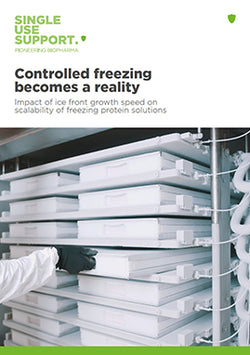
RoSS.pFTU - Controlled scalable freezing - Whitepaper
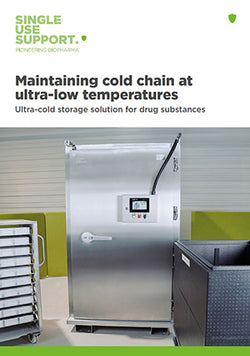
RoSS.ULTF - Maintaining cold chain at ultra-low temperatures - Whitepaper