


RoSS.FILL Base

Bulk drug substance filling system

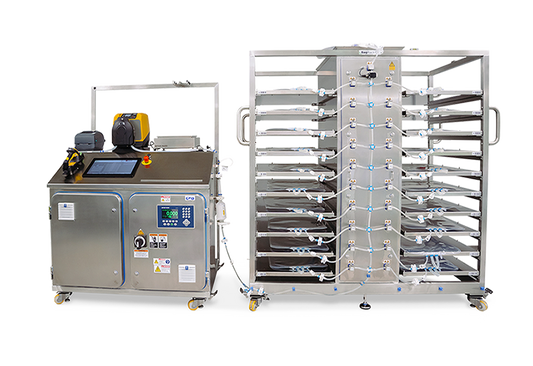
RoSS.FILL Base is a flexible filling system for bulk filtration and dispensing drug substances into single-use bags.

Image of RoSS.FILL Base on a transparent background, a filling system for bulk drug substances.

Key features

Fully automated

Filling and filtration for different primary packaging, such as 2D and 3D single-use bags, drums, etc.

Advanced fluid control

With integrated stepper valves

Scalable

Option to attach a second filling module for continuous filling

Modular system 

Separate control unit and pumping statio can be connected with different filling modules

Optional MES integration

Compatible with DeltaV or other

Sampling

Option to take samples

Bulk bag filling system for drug substances

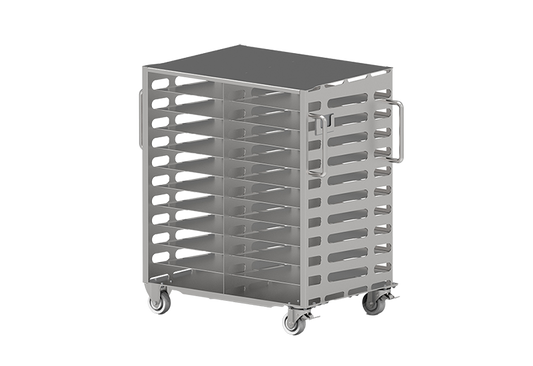
With RoSS.FILL Base the batch volume for filling is limitless: One rack with an accurate weighing scale allows to fill several 2D single-use bags up to 500L and is therefore most suitable for commercial bulk filling usage. The option to attach a 3D single-use bag makes it possible to fill one batch of up to 1000L.

Our customers trust in us:

Downloads

Preview of datasheet for RoSS.FILL Base fill-filtration unit by Single Use Support

Datasheet

RoSS.FILL Base - Datasheet

RoSS.FILL Base - Datasheet
 
Preview of Single Use Support's whitepaper about automated filling with RoSS.FILL

Whitepaper

RoSS.FILL - Automated aseptic filling - Whitepaper

RoSS.FILL - Automated aseptic filling - Whitepaper
 

Send a request

  • Aseptic filling & processing of biologics

    Aseptic filling represents a fundamental process within pharmaceutical manufacturing, serving to preserve the potency and safety of biologics throughout the production process. With stringent standards issued by regulatory authorities like the FDA, the filling of drug substance demands for a highly controlled environment and execution, ensuring the utmost quality and efficacy of pharmaceutical products. In this article, we will discuss the central role of aseptic filling in biopharmaceutical processing. We will provide a comprehensive definition of the term, compare it to similar concepts, and illustrate the aspects that shape the field of aseptic filling. Fluid management with Single Use Support   Aseptic filling – a brief explanation Aseptic filling serves as the foundation of drug product packaging, operating within stringent sterile conditions. This meticulous practice is performed to prevent microbial contamination, ensuring the safety, efficacy, and shelf life of pharmaceutical products. Throughout aseptic filling, the primary focus remains on maintaining a germ-free environment. A stringent protocol safeguards drug products from contamination, guaranteeing their reliability and safety for consumers. Difference between sterile and aseptic processing Sterile processing and aseptic processing are two distinct methodologies, each with specific characteristics and applications. Sterile processing involves ensuring the complete absence of viable microorganisms. This method is commonly used for pharmaceutical products that can withstand terminal sterilization processes using high temperatures, filtration, or chemical means. Sterilization is usually performed at the end of a manufacturing process – unlike aseptic filling, which requires a more holistic approach. This is because aseptic processing aims to maintain a germ-free environment during the entire handling and packaging process of pharmaceuticals, but without necessarily achieving absolute sterility in the final product. It involves strict controls to prevent contamination, utilizing techniques such as isolators, laminar airflow, and sterile barriers to safeguard against microbial ingress during the filling process. Benefits of aseptic filling Aseptic filling presents several key advantages, as it allows manufacturing sterile products that are safe and effective for clinical use. Additionally, aseptic filling comes with some other key advantages: Preservation of product integrity: The nature of aseptic filling contributes to maintaining the integrity of pharmaceutical products. By minimizing exposure to heat, chemicals, or physical stress bound to sterilization methods, the quality and efficacy of the products are preserved. Adherence to regulatory compliance: Aseptic filling aligns with stringent regulatory standards, such as those set by the FDA. Compliance with these regulations is crucial for ensuring product safety and meeting industry standards. Extended shelf life: Aseptic filling techniques contribute significantly to prolonging the shelf life of pharmaceutical products. By maintaining a sterile environment throughout the filling process, these products remain shelf-stable and thus viable for longer durations. Aseptic filling – fields of application Aseptic filling extends its significance across diverse industries, ensuring sterile packaging and product integrity: Pharmaceuticals: Aseptic filling is paramount in pharmaceuticals (e.g. in vaccine production), maintaining sterility to uphold the potency, safety, and regulatory compliance of medicinal products. Food products: In the food industry, aseptic filling safeguards various food items, preserving food safety, nutritional quality, and compliance with standards. Cosmetics: Aseptic techniques are utilized in cosmetic industries, maintaining sterile conditions during the packaging of beauty and personal care products. Healthcare products: Aseptic filling is essential in healthcare for packaging items such as medical devices and sterile solutions, ensuring safety and compliance. Components of fluid management systems in biopharma In biopharmaceutical manufacturing, fluid management systems involve several crucial components that collectively ensure the integrity, sterility, and precision of the final product. These components, meticulously designed and integrated into the fill-finish systems, may include: Isolators and barrier systems: These specialized enclosures create a thoroughly controlled, sterile environment for aseptic processing. By isolating the filling area from the external environment, they effectively prevent any microbial ingress during critical filling operations. Laminar airflow hoods: Operating by providing a continuous flow of filtered air, these hoods establish a clean and sterile workspace. They significantly reduce the risk of contamination by effectively controlling airborne particles, e.g. during the fill-finish process. Tubing solutions: Sterile tubing assemblies make sure that neither final drug products nor their individual components are contaminated during the multiple fluid transfer processes. Sterile bioprocess containers: Specialized containers undergo stringent sterilization processes to maintain their sterility. They ensure that the pharmaceutical product remains uncontaminated during the filling process into, as they are increasingly frequent, single-use bioprocess containers.Filtration units: Employed for the filtration of liquids or gases, these units eliminate particulates and microorganisms, ensuring that the substances entering the containers are free from contaminants before the filling stage. As their integrity is vital, PUPSIT (pre-use post sterilization integrity testing) is mandatory. Closing and sealing systems: Automated systems play a crucial role in securely sealing containers. These systems are designed to ensure aseptic disconnection and the integrity of seals, preventing any contamination post-filling. Sterilization equipment: X-Ray sterilization or gamma irradiation are examples of sterilization approaches that can be deployed before components enter the aseptic filling process. This ensures that all components are suitable for aseptic filling. Process monitoring and control instruments: Incorporating sensors, tracking and monitoring devices (such as RFID sensors1), these instruments regulate and oversee various parameters during the filling process, maintaining optimal conditions and ensuring precision along with traceability. Validation equipment: These tools and systems are pivotal for the validation processes, ensuring that the entire fill-finish system functions reliably and complies with stringent quality standards. Fluid management does not always require all the aforementioned tools, but may also demand for several more to be implemented. Let’s highlight some components that are essential in a multitude of aseptic filling processes.[[1]] Aseptic filling machines Aseptic filling machines operate within highly controlled, sterile environments. Their primary function is to precisely fill drug products while upholding stringent sterility standards. These machines serve as the frontline defense against contamination, ensuring that the drugs remain uncontaminated throughout the fluid transfer process. The precision engineering of solutions like the RoSS.FILL platform allows for accurate automated aliquotation, minimizing any margin of error and optimizing the use of pharmaceutical ingredients while reducing wastage. Integrated seamlessly into larger filling lines, aseptic filling machines work in tandem with components like fillers designed for specific drug formulations. Tubing solutions for pharmaceutical liquids Contamination prevention and precision in pharmaceutical compounding and filling processes heavily rely on the right bioprocess tubing solutions. These solutions act as the vital conduits for pharmaceutical liquids, ensuring their integrity from formulation to packaging. During compounding, these tubing solutions facilitate the precise transfer and mixing of various pharmaceutical ingredients, ensuring uniformity and accuracy in the final product. In filling processes, their role is paramount in maintaining sterility, preventing contaminants from compromising the product's quality. The choice of tubing solutions involves careful consideration of material compatibility, sterilization methods, and adherence to stringent regulatory standards. Additionally, manufacturers have to decide whether to opt for multi-use or single-use tubing solutions, the latter of which are often preferred due to their flexibility, safety, and ease of use. By selecting appropriate tubing solutions, pharmaceutical manufacturers uphold the highest quality and safety standards in their processes, guaranteeing that every pharmaceutical liquid meets rigorous criteria before reaching consumers. Bioprocess containers When speaking of filling, it is only logical to ask where a fluid is filled into. However, the answer to this question is far from trivial when it comes to pharmaceutical processing, as there are multiple options regarding the primary packaging of drug substances. Single-use bags have become a frequently chosen primary packaging for liquid pharmaceuticals, able to protect their contents from contamination while being flexible and easy to use. Additionally, IRIS single-use bioprocess containers are able to withstand the expansion and mechanical influences that come with cryogenic or ULT freezing, which is, however, necessary to preserve a variety of complex drug products. Homogenizers Homogenizers stand as crucial components in pharmaceutical and aseptic manufacturing practices, ensuring product uniformity and quality. They are instrumental in the production of consistent and homogeneous mixtures by breaking down particle sizes and ensuring uniform distribution of components within pharmaceutical formulations. In aseptic manufacturing practices, homogenizers play a dual role. They not only contribute to product uniformity but also have to align with stringent standards of sterility. Homogenizers like Single Use Support’s RoSS.PADL are designed to operate within controlled aseptic environments, ensuring that the homogenization process occurs without compromising the sterile conditions required for pharmaceutical production. It is therefore vital that homogenizers, if required within the fluid transfer process, can be seamlessly integrated into the surrounding technological environment. Challenges in aseptic filling Aseptic filling within pharmaceutical manufacturing poses a spectrum of challenges that demand close attention to detail. Contamination remains a lurking concern, capable of causing substantial product loss and compromising consumer safety. Additionally, scalability as well as sustainability and efficiency can be challenging. Many of the challenges regarding process safety are sublimated in the stringent standards set by regulatory bodies, such as the FDA (Food and Drug Administration). Compliance entails meticulous validation of processes, stringent cleanroom protocols, and adherence to labeling requirements. The absence of terminal sterilization processes like irradiation necessitates all the more attention to detail, providing product safety and efficacy while ensuring regulatory compliance. Pharmaceutical companies strive to meet these challenges by investing in advanced technologies, robust quality control measures, and comprehensive training programs to foster a culture of compliance and precision even in aseptic filling of large volumes. The aim is to curtail product loss, maintain product integrity, and, most importantly, ensure consumer safety. In terms of process solutions, single-use technologies are being more and more implemented for several reasons. They reduce the need for cleaning and sterilization at the manufacturer’s site, as single-use components usually come pre-sterilized and ready for implementation. This saves water, energy, time and costs while ensuring flexibility and safety in aseptic filling processes.  [[download-1-email-detailed]] Automated solutions for aseptic liquid handling with Single Use Support Automated aseptic filling systems by Single Use Support transform aseptic liquid handling in pharmaceutical manufacturing. These systems epitomize advanced technology and precision, reshaping the way sterile liquids are managed in the industry. Single Use Support's automated fluid management platform RoSS.FILL can seamlessly integrate into manufacturing processes. It ensures accuracy, sterility, and adaptability across various applications, from lab-scale manufacturing, CGT and other small-scale processes to bulk production of biopharmaceuticals like vaccines. Engineered to comply with highest industry standards, RoSS.FILL guarantees regulatory compliance and adherence to cGMP regulations while being complemented by single-use bags, single-use tubing assemblies made of silicone and additional professionalized systems, such as the homogenizer RoSS.PADL, but even solutions that go beyond fluid management alone. In order to create a seamless end-to-end process for pharmaceuticals, Single Use Support has designed a complete product line up that also covers various freezing processes of temperature-sensitive drug substances. Plate freezing solutions like RoSS.pFTU, ULT storage freezers and shipping containers – to name just a few – enable pharmaceutical manufacturers to create a closed and safe environment in drug production from start to finish. Aseptic filling platform RoSS.FILL   More about aseptic filling Automated aseptic filling systems by Single Use Support transform aseptic liquid handling in pharmaceutical manufacturing. These systems epitomize advanced technology and precision, reshaping the way sterile liquids are managed in the industry. Single Use Support's automated fluid management platform RoSS.FILL can seamlessly integrate into manufacturing processes. It ensures accuracy, sterility, and adaptability across various applications, from lab-scale manufacturing, CGT and other small-scale processes to bulk production of biopharmaceuticals like vaccines. Engineered to comply with highest industry standards, RoSS.FILL guarantees regulatory compliance and adherence to cGMP regulations while being complemented by single-use bags, single-use tubing assemblies made of silicone and additional professionalized systems, such as the homogenizer RoSS.PADL, but even solutions that go beyond fluid management alone. In order to create a seamless end-to-end process for pharmaceuticals, Single Use Support has designed a complete product line up that also covers various freezing processes of temperature-sensitive drug substances. Plate freezing solutions like RoSS.pFTU, ULT storage freezers and shipping containers – to name just a few – enable pharmaceutical manufacturers to create a closed and safe environment in drug production from start to finish. Fluid management with Single Use Support References RFID sensors as the common sensing platform for single-use biopharmaceutical manufacturing, http://dx.doi.org/10.1088/0957-0233/22/8/082001, Published 2011-07-16

    READ MORE
  • Bulk filtration for biopharma purposes

    An explanation and definition of bulk filtration: What is bulk filtration, what are the different filtration methods and what did bulk filtration look like before single-use technologies came along? The filtration of liquids – commonly done in bulk – is a crucial part of most biopharmaceutical manufacturing processes. Amongst other purposes, this important step serves to ensure the purity and sterility of medical solutions – for various reasons. Not only can impure substances cause an entire batch to go to waste or harm patients, but contamination can also be a cause of equipment failure or downtime. In both cases the consequences are dire and costly. Bulk filtration process from Single Use Support - learn more!   The process can be explained on the basis of bulk filtration biology or bulk filtration anatomy: Bulk flow describes the capillary filtration and reabsorption of fluids where the capillary fluid exchange is determined by factors such as the net filtration pressure. Filtration is one of many critical process steps. It requires the highest degree of precision and can be very tedious. Recent years have seen the introduction of bulk filtration methods based on single-use components that are a means to simplify both the procedure itself and the workflow in labs as well as on-site at manufacturing plants. Bulk filtration as a process can be divided into either active or passive bulk filtration. As with other steps, the increasingly common automation of the filtration process is helping to reduce variation while increasing productivity and improving overall safety. The flexibility and versatility of single-use add-ons, on the other hand, allows for a larger degree of adaptability. It facilitates individually customized solutions as well as a bigger variety in terms of application, whereas traditionally used stainless-steel reactors are most notably characterized by their rigidity. What are current challenges the industry is faced with? While automated processes are a big and important step in the right direction, both the pharmaceutical industry and the science industry are still tackling certain issues. With the number of therapies and compounds growing at an ever increased rate, labs and manufacturers are faced with new challenges on an almost daily basis. They have to keep up with a wide range of varying demands while meeting different requirements for different products. Pressure – both temporally and financially – is another bottleneck that needs to be addressed by any player who wants to succeed in the highly competitive industry. One of the answers/solutions to face the growing variety and demand for biopharmaceuticals is the utilization of single use technologies, components and -systems in any step of the development and production processes, be it allocation, filtration, filling or freezing. What has changed with the utilization of single-use components? It is safe to say that the utilization of single-use components and systems has somewhat simplified a number of procedures and helped increase reliability and safety. Not only the science industry but also biopharmaceutical manufacturers are progressively shifting from immobile stainless-steel tanks to more flexible and user-friendly single use technologies and systems. Not least thanks to their adaptability to changing needs and requirements and the added bonus of optional compound and segregation attachments, single-use platforms are becoming more viable for large-scale production. They are no longer only employed in labs as used to be the case until recently. As such, they are gaining traction and are set to become the new standard for biopharma processes. Disposables are taking over in applications where they have not traditionally been used, including filtration, for instance in order to reduce bioburden or capture viruses for gene therapies and vaccine purposes. What is Single Use Support’s RoSS.FILL? As a platform that addresses many of the challenges that biopharma players are faced with, RoSS.FILL facilitates the automated allocation and distribution of bulk drug substance in single use bags with the option to add integrated single use filtration or other components. Major parts such as the liquid path are fully disposable and highly versatile, making RoSS.FILL the go-to choice for many different purposes: The liquid path for instance can accommodate a multitude of sterile compound- and segregation options, which proves to be an ideal solution for today’s complex lab and production requirements and demands where flexibility is key. Bulk filtration for biopharma - learn more!   How does RoSS.FILL work? RoSS.FILL works with Single Use Support’s RoSS®, a single use bag protection system fitting all single use bag manufacturer. The units on the rack – composed of single-use components – are filled in a fully automated manner and with a speed of up to 200 liters per hour. What makes this solution stand out is that it offers limitless choices of scalability, as it is compatible with single use bags of any size, volume and brand. At the same time RoSS.FILL displays an accuracy of +-10 ml for 10 liters with individual weighing cells and the option to integrate various compound and segregation options such as MES, bulk filtration or the taking of samples. What are the advantages of RoSS.FILL in terms of the bulk filtration process?The success of a single use platform such as the RoSS® system is not least based on its disposable nature and the fact that it is plug-and-play so it can be adapted to meet virtually any requirement. Another bonus is its compact size that requires less floor space while at the same time reducing the need for an elaborate infrastructure. With RoSS.FILL specifically, bulk filtration and other components are cost-effective, easy to install and to adapt – i.e. they are basically infinitely scalable – plus they require neither cleaning nor maintenance. Waste management is easy and does not take up precious time that is better employed elsewhere. If you require a versatile system for your bulk filtration process step, RoSS.FILL offers you a solution that in addition to being flexible is also scalable and adaptable. Depending on your needs, it can be scaled up or down to suit virtually any purpose and volume from lab environments all the way to manufacturing in bulk. Bulk filtration process - learn more!  

    Read more
  • Aseptic filling of large volumes of drug substances

    Aseptic filling, a critical process in pharmaceutical manufacturing, ensures the sterility of large-volume drug substances, safeguarding their efficacy and safety. Thus, this method plays an indispensable role in maintaining product integrity. In this article, we will highlight essential aspects of aseptic filling of drug substance, outlining its step-by-step procedure and exploring its applications across diverse pharmaceutical sectors. Fluid management solutions by Single Use Support   What is aseptic filling? Aseptic filling is a crucial process within pharmaceutical manufacturing that ensures the sterility of drug substances during their transfer into containers in different formats and sizes. It prevents contamination by germs, maintaining the purity and efficacy of the product. Aseptic filling involves a carefully controlled environment where both the product and the surroundings remain free from any microbial contamination throughout the filling process. Aseptic filling techniques are designed to uphold the integrity of the drug substance, crucial for products like injectables, biologics, and other sensitive pharmaceuticals as well as their individual components. In which areas is aseptic filling necessary? Aseptic filling becomes necessary for certain drug products that cannot undergo terminal sterilization methods like exposure to high heat, as they are too sensitive and complex to withstand such procedures. It is therefore necessary to create a germ-free environment in which these products can be processed, preventing them from being contaminated at any production step and thus bypassing the need for terminal sterilization of the substance.[[1]] Examples of pharmaceutical products that necessitate aseptic filling include several injectable medications, biologics (such as mRNA vaccines, antibodies, and cell therapies), and certain liquid formulations of medications. These substances are often sensitive to heat or other sterilization methods and must maintain their effectiveness without compromising patient safety. Moreover, aseptic filling is indispensable in producing drug products intended for injection into the bloodstream or sterile body cavities. This way of administration circumvents natural defense systems like skin or mucous membranes – contaminated drug substances could pose severe health risks to patients. Consequently, maintaining aseptic conditions during the filling process ensures that these medications remain free from harmful microorganisms, preserving their therapeutic value and patient safety. Aseptic filling of large volumes – step by step In order to ensure a flawless aseptic filling process of large volumes, pharmaceutical manufacturers adhere to a set of process steps that many applications correspond in: Preparation phase The aseptic filling process commences with meticulous preparation. This involves ensuring the cleanliness and sterility of the entire environment, including equipment, surfaces, and personnel attire. Fluid preparation The drug substance undergoes preparation, potentially involving filtration and homogenization, to achieve the desired purity and uniformity. System setup Fluid management systems are readied for use. These automated systems offer fully controlled fluid paths, ensuring a sterile environment throughout the process. Filling stage The prepared drug substance is fed into the aseptic filling machine, such as the RoSS.FILL system. The platform's automation facilitates precise and sterile filling into single-use bags or bottles. Filtration (if applicable) Depending on the substance and process requirements, a filtration step might be integrated into the filling process. This step ensures the removal of particulates or microbes that could compromise product integrity. Packaging and sealing Once verified, the filled drug substance is sealed into containers or bottles within the closed system. This process is crucial to maintain the sterility and integrity of the product until use. Post-filling verification  Post-filling, thorough verification processes are undertaken. These include checks for accuracy, sterility, and overall product quality to adhere to stringent regulatory standards. Clean-up and sanitization Following the filling process, the used equipment must either be prepared for subsequent following cycles or, in the case of single-use consumables, dissembled and disposed. Relying on single-use technologies can significantly reduce the need for laborious cleaning and sterilization steps at the manufacturing site. Techniques to ensure success in large-scale aseptic filling Large-scale aseptic filling techniques encompass a range of measures designed to maintain a sterile environment during the transfer of pharmaceutical liquids. Some key techniques involved in aseptic filling include: Isolators and barrier systems These closed systems provide a physical barrier between the product and the external environment, preventing microbial ingress. Isolators are used to enclose specific processes or equipment, ensuring aseptic conditions. Laminar airflow systems These systems create a continuous flow of filtered air in a unidirectional manner to maintain a clean and sterile environment within the filling area. They minimize the risk of airborne contamination during the filling process. Sterile barriers and enclosures Utilizing sterile materials and barriers, such as sterile gloves, gowns, and covers, helps prevent contamination from personnel or the environment. RABS (Restricted Access Barrier Systems) Similar to isolators, RABS provide a physical barrier around the filling area, restricting access and minimizing the risk of contamination. Automated filling equipment Automated systems reduce human intervention and the potential for contamination. These machines are designed to fill containers while maintaining aseptic conditions, minimizing the risk of microbial ingress. Challenges when filling bulk drug substance In fluid management for large volumes, several challenges demand attention: Complexity of scale: Handling larger volumes poses logistical challenges, requiring specialized equipment and infrastructure to maintain aseptic conditions uniformly across the entire volume. Sterility maintenance: Ensuring sterility throughout the entire process becomes more challenging with larger volumes, as any contamination can significantly impact a larger quantity of product. Time sensitivity: Large-volume aseptic filling often requires swift processing to minimize exposure, which can pose challenges in maintaining aseptic conditions while meeting production speed demands. Equipment compatibility: Compatibility between equipment and the properties of larger volumes of drug substances can present technical challenges, requiring specialized machinery and processes. Validation and documentation: Validating and documenting aseptic processes for large volumes requires meticulous attention to detail to ensure compliance with regulatory standards. Demand for highest precision: Managing larger volumes requires precise control to ensure accurate dosing and uniform distribution throughout the volume, demanding advanced technologies and methods to maintain precision at scale. Product sensitivity: Certain drug substances, such as many biologics, can be highly sensitive to environmental conditions, temperature fluctuations, or prolonged exposure to air, intensifying the need for meticulous handling. Regulatory compliance Achieving regulatory compliance in aseptic fluid management involves adhering to stringent guidelines aimed at ensuring the safety and efficacy of pharmaceutical products. This necessitates a very general yet elaborate approach: Implementing Good Manufacturing Practices (GMP) involves meticulous record-keeping and a robust quality management system. Developing and rigorously validating protocols specific to large-volume fluid management is essential, encompassing equipment, processes, and aseptic techniques to meet regulatory expectations. Establishing a comprehensive environmental monitoring program is crucial for continuous assessment of air quality, surface cleanliness, and microbial levels within controlled environments. Timely resolution of any deviations identified during monitoring is vital to uphold compliance with regulatory standards. Regular review and adjustment of procedures are necessary to align with evolving regulatory requirements, ensuring continuous adherence to aseptic guidelines and standards. Source: FDA[[3]] What’s needed for successful aseptic fluid management? Successful aseptic fluid management requires a combination of strategic elements to ensure the integrity and sterility of pharmaceutical products. Key components for success include: Rigorous training programs Robust quality control measures Failsafe processes State-of-the-art equipment Let’s take a closer look at some of these aspects. Source: Aspen Survey[[4]] Rigorous training programs Fluid management solutions have become far more intuitive and support staff during sensitive procedures. User-friendly interfaces, failsafe interconnections and implemented integrity control measures facilitate the operation of these machines. However, a great deal of responsibility remains with the operators of fluid management systems, the expertise of whom is required, for instance, when production lines are being altered, or when malfunctions have to be detected and corrected. Additionally, awareness of the characteristics of processed substances is required, just like general knowledge on pharmaceutical liquid processing. Consequently, rigorous training programs for scientific staff in liquid management are required that not only cover this area in general. It is equally important to mediate the necessary know-how on individual fluid management platforms and processes. Quality control tests The integrity of fluid management processes, systems, equipment, and ultimately the processed pharmaceutical product is to be maintained and monitored. For that end, quality control tests are implemented to ensure product safety and effectiveness. Notably, it is not enough to validate the quality of the final product at the end of a production cycle. Large amounts of potentially faulty batches might have been produced in the meantime due to an undetected deviation in the fluid management process. Reasonably, individual components have to be tested in order to ensure their integrity when being implemented into fluid management systems. This applies to components like optional filters, which is why pre-use post sterilization integrity testing (PUPSIT) is often performed to guarantee that these filters meet the high standards in aseptic fluid management. Failsafe, automated fluid management processes Ensuring failsafe fluid management in aseptic environments requires diligent planning and execution of meticulously designed processes. For that purpose, detailed procedures and standardized protocols provide precision in upholding aseptic principles. This is further facilitated by automation, including robotics, which reduces human intervention and ensures consistency and sterility while minimizing the risk of contamination. Closed systems and as well as end-to-end solutions physically prevent environmental contaminants. Continuous monitoring, enabled by sophisticated systems, tracks critical parameters for real-time detection of deviations, allowing immediate corrective actions. Another key element in pharmacovigilance is validation, along with precise documentation to ensure consistent adherence to predetermined standards. Yet again, automation can help to uphold quality standards, streamlining operations, and upholding stringent aseptic conditions in fluid management workflows. Adequate materials for tubing solutions and other components Aseptic production demands material that adhere to strict criteria to uphold sterility and product integrity. These components must demonstrate minimal permeability to prevent contaminants or gases from compromising the product. Additionally, they should exhibit low extractables profiles to minimize any potential leaching of substances that could affect product safety. Materials such as stainless steel, glass, or specialty polymers are often used for reusable systems. They allow maintaining aseptic conditions while providing enhanced durability. However, due to factors like increased flexibility, biopharma companies are increasingly implementing single-use technologies in their fluid management processes. And as the filling approach evolves, so do the required materials. As for single-use tubing assemblies, for instance, commonly used materials include silicone and thermoplastic elastomers (TPE). These materials are favored for their flexibility, resilience, and suitability for single-use applications. Silicone, known for its biocompatibility and inertness, along with TPEs, offers excellent chemical resistance and low extractables, making them ideal for maintaining aseptic conditions in tubing solutions while ensuring the safety and quality of pharmaceutical products. However, all the involved components, including materials chosen for containers, closures, and packaging undergo rigorous evaluation to meet stringent criteria for sterility, durability, and compatibility with pharmaceutical products. Dedicated aseptic filling machines and additional assemblies Dedicated aseptic filling machines and complementary assemblies play a pivotal role in aseptic fluid management. These modular fluid management solutions precisely dispense the prepared fluid into containers – but there is more to it. Filtration steps are essential for many products, ensuring the removal of particulates and microbes from the fluid. However, the need for separate filtration machines is often circumvented by the direct implementation of filtration technologies into filling platforms. Additionally, modular fluid management systems allow the integration of homogenization machines, crucial for kneading components in order to ensure uniform, consistent product quality. These machines work in tandem, preparing the fluid for filling by achieving the required purity and uniformity. The interplay between filtration, homogenization, and filling machines is critical. Filtration primes the fluid by removing impurities, homogenization guarantees uniformity, prior to aseptic filling into sterile containers. [[download-1-email-detailed]] Filling machines for large volumes based on single-use technologies Within the RoSS.FILL platform for automated fluid management, Single Use Support has integrated dedicated solutions for aseptic filling of large volumes. In aseptic large volume drug filling, Single Use Support stands at the forefront, providing innovative solutions that redefine pharmaceutical processes. Among these advancements is the RoSS.FILL system, a fully automated single-use filling and filtration platform. Offering scalability and adaptability, RoSS.FILL transforms aseptic filling and draining processes, accommodating a diverse range of consumables and manifold systems for unparalleled flexibility. Further complementing Single Use Support's portfolio are the RoSS.FILL Bag and Bottle systems. RoSS.FILL Bag provides a flexible solution for aseptic bag filling, ensuring sterile connections and a fully disposable fluid path. On the other hand, RoSS.FILL Bottle offers efficient filling and filtration of liquid drugs into bottles, maintaining high accuracy within a closed system. Additionally, the RoSS.PADL platform focuses on homogenization, gently massaging single-use bags while cooling to ensure a homogenous mixture of solutions. Simultaneously, the RoSS.DRAI system facilitates controlled fluid flow during the draining process, minimizing holdup volumes and enabling continuous pooling. Innovatively integrating supplier-independent filters into the RoSS.FILL platform enhances the speed and reliability of bulk drug substance production, optionally with the possibility for PUPSIT (pre-use post sterilization integrity testing) to ensure filter integrity. This interplay further extends the range of sterile compound and segregation options, responding to the demands of the fast-paced pharmaceutical industry. Single Use Support's fluid management systems redefine aseptic large volume drug filling, emphasizing automation, scalability, and speed. These solutions represent a commitment to advancing pharmaceutical logistics, ensuring sterility, and meeting the evolving demands of the industry. Aseptic large volume drug filling with single-use technologies In aseptic large volume drug filling, Single Use Support stands at the forefront, providing innovative solutions that redefine pharmaceutical processes. Among these advancements is the RoSS.FILL system, a fully automated single-use filling and filtration platform. Offering scalability and adaptability, RoSS.FILL transforms aseptic filling and draining processes, accommodating a diverse range of consumables and manifold systems for unparalleled flexibility. Further complementing Single Use Support's portfolio are the RoSS.FILL Bag and Bottle systems. RoSS.FILL Bag provides a flexible solution for aseptic bag filling, ensuring sterile connections and a fully disposable fluid path. On the other hand, RoSS.FILL Bottle offers efficient filling and filtration of liquid drugs into bottles, maintaining high accuracy within a closed system. Additionally, the RoSS.PADL platform focuses on homogenization, gently massaging single-use bags while cooling to ensure a homogenous mixture of solutions. Simultaneously, the RoSS.DRAI system facilitates controlled fluid flow during the draining process, minimizing holdup volumes and enabling continuous pooling. Innovatively integrating supplier-independent filters into the RoSS.FILL platform enhances the speed and reliability of bulk drug substance production, optionally with the possibility for PUPSIT (pre-use post sterilization integrity testing) to ensure filter integrity. This interplay further extends the range of sterile compound and segregation options, responding to the demands of the fast-paced pharmaceutical industry. Single Use Support's fluid management systems redefine aseptic large volume drug filling, emphasizing automation, scalability, and speed. These solutions represent a commitment to advancing pharmaceutical logistics, ensuring sterility, and meeting the evolving demands of the industry. Fluid management of large volumes with Single Use Support   References The Basics of Aseptic Processing, https://www.pharmtech.com/view/the-basics-of-aseptic-processing, Published 2021 Aseptic Processing: A Primer, https://www.biopharminternational.com/view/aseptic-processing-primer, Published 2013 Guidance for Industry Sterile Drug Products Produced by Aseptic Processing — Current Good Manufacturing Practice, https://www.fda.gov/media/71026/download, Published 2004 Aspen Survey: Which of the following represents the greatest challenges to your process? ASQ 1282 2023 121123, Published 2023

    READ MORE

FAQ about bulk filling system

Which bioprocess containers can I use with bulk filling system RoSS.FILL Base?

+

RoSS.FILL Base is designed to fill commercial bulk drug substance, but also buffers, media, intermediates and virtually any process liquid into 2D and 3D single-use bags, bottles, drums, and other primary single-use container.

What are the advantages of bulk distribution with single-use solutions?

+

Single‑use solutions enable closed, sterile, and disposable fluid paths that reduce contamination risk, eliminate cleaning and validation, increase scalability, and simplify global bulk distribution with consistent, GMP‑compliant and Annex 1 aligned handling.

Which applications is RoSS.FILL Base designed for?

+

RoSS.FILL Base is used when large volumes of drug substance, buffer, or media need to be aseptically filled into primary packaging at industrial scale, such as in commercial bulk production, high-volume buffer/media preparation, or fermentation processes (e.g., E. coli systems producing thousands of liters per batch requiring rapid filling for shipment).