




Fermentation in the pharmaceutical industry: A complete guide
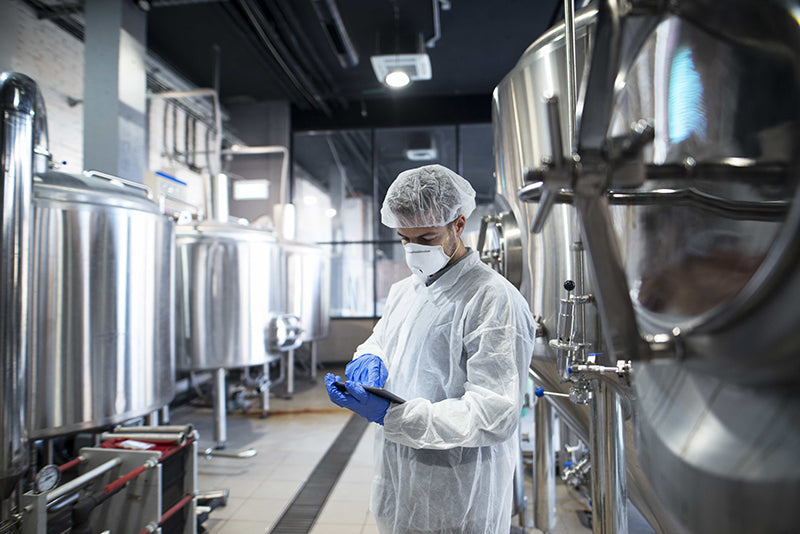
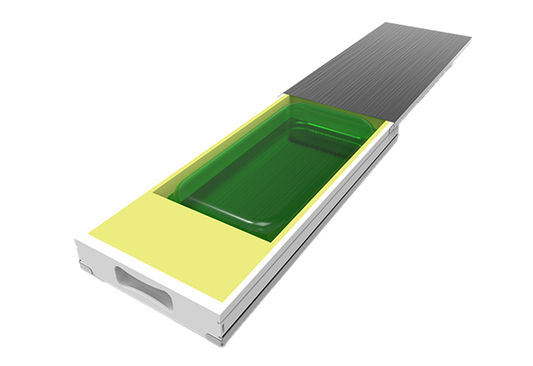
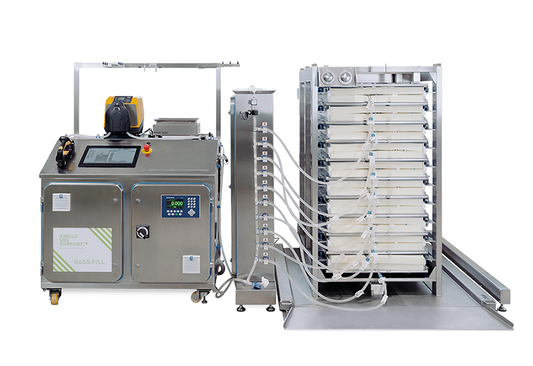
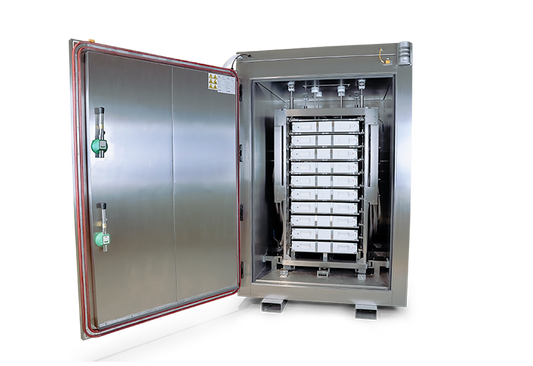
While the original definition of fermentation is ‘the anaerobic conversion of sugar to carbon dioxide and alcohol by yeast”, fermentation in the pharmaceutical industry is used to cultivate microorganisms for antibiotics, therapeutic proteins, enzymes and insulin. It typically involves temperature-controlled tanks, also known as fermenters and the correct concentration of nutrients to cultivate the desired organism. Microbial and bacterial fermentation technology and the associated processes open new possibilities and are important building blocks for gene-editing, conjugates and DNA plasmids used in modern vaccine production. Whether in fermentation or other areas of upstream processing, single-use technologies are playing an increasing role. As a pioneer in single-use bioprocessing, Single Use Support offers flexible end-to-end process solutions for advanced fluid management and freeze-thaw logistics for pharmaceutical fermentation. [[ToC]] Microbial fermentation for the production of pharmaceuticals Microbial fermentation is a promising manufacturing method in the production of pharmaceutical products, ranging from drug products based on recombinant proteins to vaccines and antibiotics for pretty much any medical indication. The process of fermentation of products involves the growth of microorganisms by means of bacteria, yeast, and fungi. This happens in a controlled environment, typically in large bioreactors, to produce the desired product. One of the best-known and most studied microorganisms are Escherichia coli - or E. coli - bacteria, which are a kind of work horse for the biotechnology industry thanks to their simple and rapid strain development, short fermentation times and high cell densities. Processing solutions for Fermentation Growth prospects for the fermentation market For a long time, mammalian cell culture sytems were the most popular choice for the production of recombinant pharmaceuticals. In the last years, microbial fermentation has experienced a veritable rice. Especially, the production of small biologics or bioconjugates is much more efficient with microbial fermentation. This is also reflected in numbers on the market. According to a BCC research study on Global Markets and Manufacturing Technologies for Protein Drugs, the markets for peptide hormones and vaccines increased from $18 to $28 billion and from $10 to $19 billion. The renewed interest in microbial fermentation for biopharmaceutical manufacturing can be attributed to several factors: For one, there is the development of next-generation therapies based on smaller biologic drug substances and increased yields for biopharmaceutical production thanks to advances in genetic engineering. On the other hand, the renewed interest is driven by progress in molecular biology and synthetic biology, and this consequently leads to an increased rate of outsourcing of fermentation processes to CDMOs. Summary - factors that lead to the rice of microbial fermentation: Improved production of smaller biologics advances in genetic engineering increased yield and quality better scaleability lower production costs faster production Advantages of microbial fermentation As the organisms have faster and more stable growth patterns and lower intrinsic metabolic load, microbial fermentation usually involves fewer complications and also offers the possibility of easier scale-up. This allows the production of large quantities of specific compounds in a relatively short time, making it a cost-effective method for the production of specific drugs. Meanwhile, mammalian cell fermentation often requires additional downstream processing steps to purify the final product. In addition, microorganisms are capable of producing complex molecules that are difficult to produce using traditional synthetic organic chemistry, making fermentation an efficient method for the production of various pharmaceutical products. cGMP microbial production - Good Manufacturing Practices in microbial fermentation CDMOs offer solutions for a cGMP compliant production of fermentation products, including cell banking services from cell line production to cryogenic storage and fed-batch and perfusion using a range of microbial expression systems. By outsourcing to cGMP-compliant microbial manufacturing, pharmaceutical production companies can be assured of receiving high-quality fermentation products that have been manufactured in accordance with established standards and guidelines. The implementation of single use-systems will help CDMOs to build a cGMP compliant infrastructure. In addition, single-use solutions offer the necessary flexibility to react quickly to changes in production requirements, and they offer high yields that are scalable and of high quality. CMOs provide pilot-to-commercial microbial fermentation capabilities, offering full support throughout the product’s life cycle, from preclinical to clinical trial to commercial stages, from process development, to the entire manufacturing process for the final drug product. Challenges in microbial fermentation for pharmaceuticals While microbial fermentation brings many benefits, it also presents certain challenges. It is a delicate process that requires a sterile environment to prevent contamination by other microorganisms that could compromise the quality and purity of the final product, reduce product yield, alter the quality, or even produce toxic by-products. Another challenge can be scalability, as scale-up from laboratory or clinical trial phase to large scale may be required, and the conditions and equipment in the process may need to be modified. In addition, pharmaceutical production is highly regulated, and regulatory compliance can be complex and time-consuming. This is where solutions based on single-use technology can be helpful: Single Use Support offers flexible end-to-end process solutions that can be easily adapted for different or changing requirements while complying with FDA and other regulatory guidelines and standards. Read more about the challenges in microbial fermentation manufacturing. [[download-1-email-detailed]] How single-use systems can help with microbial fermentation Let us take a closer look at Single Use Support’s end-to-end solutions and how exactly such single-use systems can advance microbial fermentation manufacturing. First, they provide a sterile and controlled environment for the growth of microorganisms. While single-use bags and tubing assemblies can reduce the risk of contamination, single-use bioreactors require less time and effort for cleaning and sterilization, as they come pre-sterilized, resulting in greater efficiency at lower costs. In addition, fully-automated single-use systems can be customized for specific fermentation processes, allowing greater flexibility and scalability while preventing human errors. Thanks to their modular nature, they can be designed to accommodate different volumes and configurations, making it easier to optimize fermentation conditions and increase production yields. Biopharmaceutical end-to-end solutions References Global Markets and Manufacturing Technologies for Protein Drugs, https://www.bccresearch.com/market-research/biotechnology/manufacturing-tech-protein-drugs-markets-report.html, Published 17.02.2023
READ MORE
