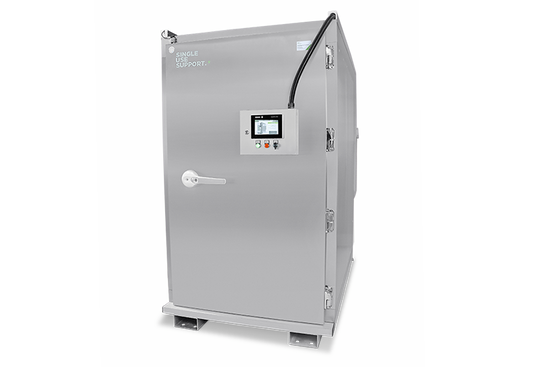
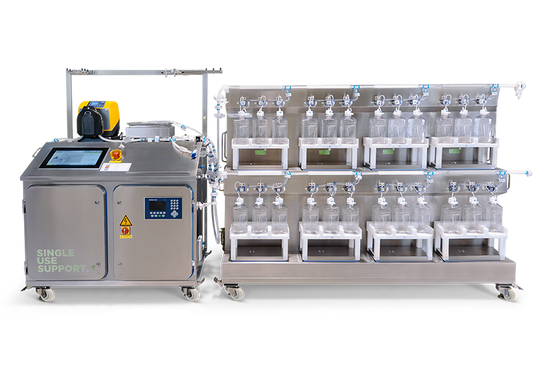
Independent from type, manufacturer and size of your single-use bag, the modular platforms and single-use technologies will meet your requirements.
The Trusted One
With more than 300.000 RoSS® shells sold and 400 platform systems commissioned, Single Use Support is a trusted pioneer in biopharma for optimizing drug substance handling.
The Secure One
Automated aseptic filling at highest accuracy minimizes both operational human errors and overfilling of single-use bags. Controlled plate-based freezing and thawing of single-use bags prevents loss of product quality due to cryoconcentration and reproducible freezing and thawing.
The Simple One
Ease of use paired with small footprint: single-use platform systems from Single Use Support are easy to install, user friendly to operate and does not require a predefined infrastructure on-site.
Robust storage & shipping for bags
RoSS technologies provide process flexibility for smallest volumes with highest accuracy:
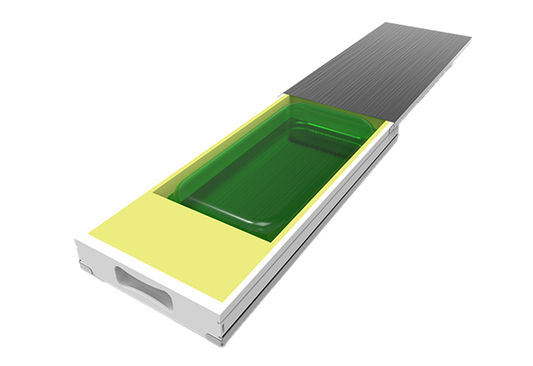
Closed, robust and tamper-evident protection of your single-use bag for highly valuable drug substances
Vendor-agnostic and hence compatible to other systems during senstive freezing applications
Process flexibility for safe handling regardless of type and size of bag manufacturer without being trapped in siloed biopharma process solutions
The safest transport solution for all available single-use bioprocess containers. Protect your single-use bag and reduce product loss. RoSS®: Robust Storage & Shipping
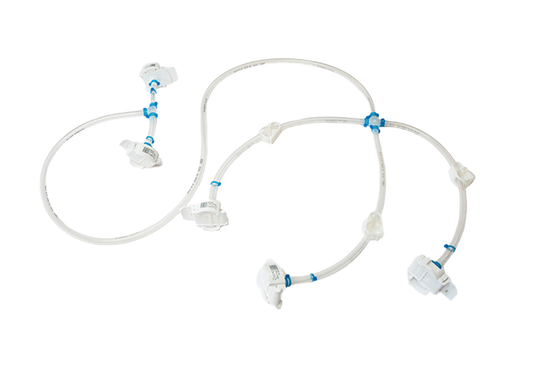
As an expert in single-use solutions, we have made it our goal to deliver vendor agnostic single-use assemblies manufactured at highest quality standards in ISO 7 cleanrooms and sterilized within shortest lead times. Prevent downtime and ensure an...
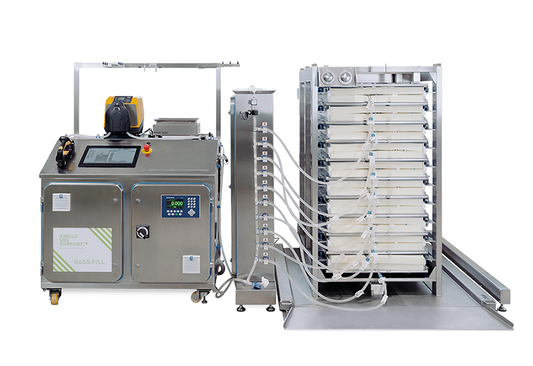
RoSS.FILL Base is a flexible filling system for bulk filtration and dispensing drug substances into single-use bags. The single-use fluid path is designed to be fully disposable and is able to accommodate a variety of sterile connection and discon...
With RoSS.LODR, ergonomic work is rethought. The semi-automated device ensures ergonomic handling of RoSS® shells for any loading or unloading activity, whether it be from the RoSS.FILL to the RoSS.RACK or the RoSS.RACK to RoSS.pFTU.
The supportin...
The extra large scale freezing platform system is an automated plate-based freeze-thaw unit for 500 liters per batch of liquid substances including vaccines, media, buffer solutions or other drug substances. The established RoSS.pFTU platform syst...
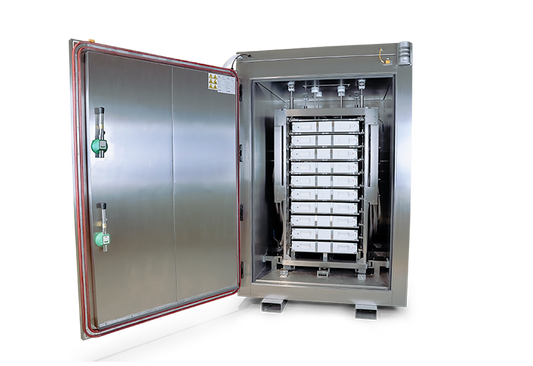
RoSS.ULTF is an upright ultra-low temperature storage freezer for frozen drug substances in different sizes. The ultra cold storage freezer keeps the desired set point temperature down to -80°C.
It is compatible with RoSS® Shells to protect your ...
RoSS.SHIP secures the cold chain storage and shipping of bulk drug substance for almost one week.
Highly robust, stackable, coolable and compact – RoSS.SHIP cold chain shipping container is like Fort Knox for high-quality substances!
RoSS (Robust Storage and Shipping) can also be translated for PE rigid containers. With Bottle RoSS the tubing on bottles is protected at glass-like sub-zero temperatures with the help of a soft 3D foam which hardens at frozen state.
Any manufactu...
As an expert in single-use solutions, we have made it our goal to deliver vendor agnostic single-use assemblies manufactured at highest quality standards in ISO 7 cleanrooms and sterilized within shortest lead times. Prevent downtime and ensure an...
The fully automated RoSS.FILL aseptic single-use bottle filling system enables worry-free filling and filtration of your liquid drug and non-drug substances into bottles. With highest filling accuracy, the single use filling system provides closed...
RoSS.BLST is a GMP-compatible system for blast freezing & thawing of drug substances. It is suitable for any primary packaging from all manufacturers and allows freezing and thawing within a temperature range of -80°C to +40°C.
The modular and...
RoSS.ULTF is an upright ultra-low temperature storage freezer for frozen drug substances in different sizes. The ultra cold storage freezer keeps the desired set point temperature down to -80°C.
It is compatible with RoSS® Shells to protect your ...
What impact does controlled end-to-end cold chain management have on preserving the quality, potency and safety of biologics? Find out how Single Use Support's modular, automated technologies for single-use bags and bottles minimize cryoconcentration, prevent container damage and ensure consistent, sustainable handling that aligns with Annex 1 throughout bioprocessing.
With the rising need for novel therapies - and, based on the changes in the disease landscape as most currently highlighted by COVID - the global biopharmaceutical industry is evolving, and market needs are shifting.
We are seeing an increasing number of drug products and APIs produced by an equally growing number of pharmaceutical and biopharmaceutical companies, as well as third-party CMOs.
The following article aims to take a closer look at the term “bulk drug substance” and its meaning, as well as to investigate smart solutions to shorten the phase between development and blockbuster production. It furthermore aims to give a concise definition alongside an extended view on the daily challenges in biopharmaceutical processing.
[[ToC]]
Bulk drug substance definition (FDA)
According to FDA’s (Food and Drug Administration) definition, bulk drug substance describes substances in various suitable forms used as an active ingredient in the compounding, manufacturing, processing, or packaging of a drug.
Suitable forms can be liquid solutions as well as fine powder or crystals. The scientific definition of the term “bulk drug substance” does not include intermediates used in the synthesis of a medical drug.
Bulk drug substances or APIs (active pharmaceutical ingredients) - as they are also known - are used in the production of compounded medical drugs. As such, they must meet certain statutory requirements in order to be available for clinical use.
Additionally, the FDA issued an interim policy, giving advice to manufacturers of compound using bulk drug substances, for instance on the additional information on the labels of dosage forms. [[1]]
Drug substance vs. drug product – the differences
The use of bulk drug substances can serve an important role for patients for whom an FDA-approved drug product is not appropriate, such as patients who, for example, have an allergy and need a medication to be made without a certain dye or a different kind of inactive ingredient.
In such cases, certain physicians and pharmacists (in accordance with section 503A) or outsourcing facilities may be able to provide compound drug products, having to meet several regulatory demands. Outsourcing facilities as nominators, for instance, need to be registered under section 503B of the Federal Food, Drug, and Cosmetic Act (to be found in the Federal register).
Additionally, only compound drugs may be produced that are included in the FDA drug shortage list. Otherwise, an appearance of the nominated bulk drug substance in FDA’s 503B bulks list (a list of bulk drug substances with clinical need) is required.
Pharmacists and physicians, as well, need to comply with various regulations in the production of bulk drug substances – an applicable United States Pharmacopeia (USP) and National Formulary monographs, for instance, need to be taken into account.
In order to be approved, any bulk drug substance must be manufactured by an establishment that is registered under section 510 of the FD&C Act (Federal Food, Drug and Cosmetic Act), and additionally it must be accompanied by a valid certificate of analysis. [[2]]
Micro to macro - from lab to commercial scale
Once a newly developed product has been approved for the market, manufacturers are faced with having to scale up, so they can move from preclinical to commercial scale manufacture. This is a complex process concerning the entire supply chain that needs to be well managed, as it is not without its challenges. Furthermore, no two production sites are the same and the chemistry processes differ from manufacturer to manufacturer.
The obstacles and challenges are manifold, and they apply to scientific as well as to technical aspects, while legal regulations and standards have to be adhered to and complied with. Additionally, moving from micro to macro might lead to the the Food and Drug Administration having to newly approve the entire process.
And if this was not complicated enough, the different departments involved in research, development and production may be spread out across various sites. Even if they all operate within the same organization, they may be geographically removed from each other.
These are all factors that influence the outcome of any project, and so they should beconsidered early on, with
clear steps determined for the scale-up process and
clearly assigned responsibilities for all individuals involved
While during research, medicinal chemists are focused on whether a certain idea is feasible, once they move ahead, they are more concerned with the scale-up of procedures and logistics. Good Manufacturing Practice (GMP) is key, and strict regulations mandate extensive documentation to safeguard both quality and traceability.
Single-use technology - the modern, agile choice for drug substance logistics
While the challenges of scaling up the production process for bulk drug substances are obvious, all parties concerned are constantly working on improving existing technologies or coming up with new approaches to make life easier. One such development is the use of single-use components, which was first employed in lab environments.
Single-use technology has become an accepted standard in small-scale environments such as the lab and when administering the drug to the patient. However, their modular design allows for great flexibility and as well as scalability, which is why is becoming increasingly common as an agile solution in all areas - all the way to large-scale commercial production.
The utilization of disposable equipment allows manufacturers to transfer the entire process - ranging from early-stage development to final product and logistics - relatively easily and without any major risks. The system, which involves both technology and equipment (including bags, connectors, tubings and assemblies) can be scaled up and adapted relatively easily thanks to the nature of the single-use components employed.
[[download-1]]
[[download-2]]
Thawing drug substance: best practices
Thawing of drug substances has to be carried out with as much diligence as there has to be in every other step in the supply chain of bulk drug substances. After all, there need to be seamless transitions from one step to another, achievable by dedicated end-to-end solutions.
In general, one can distinguish between an uncontrolled and a controlled thawing process. While uncontrolled thawing leaves little to no control over thawing rates, controlled thawing processes allow to adapt the heat supply to a high degree. However, there is a lot more to consider in order to achieve optimal thawing results.
Avoiding product loss of bulk drug substance
Loss of drug substance (product loss) is a risk that generally exists within every step within the supply chain of bulk drug substances.
Contamination of bulk drug substances can cause enormous trouble in the production of drug products, leading to considerable costs. But the risk of product loss persists during filling and freezing processes, the latter of which have to be carried out in accordance with the product’s requirements. Further protection is required during storing and shipping, and the thawing process can also pose the risk to damage highly sensitive substances.
However, there are measures to ensure that the loss of these valuable substances is avoided. Seamless transitions from one step to another, provided by end-to-end solutions for bulk drug substances, are therefore key to a lossless product management.
Risk management for a safe handling of bulk drug substances
In safe handling of bulk drug substances, risk management is an important aspect to be considered – be it human drugs or compounded animal drugs, since staff must be prevented from being exposed to potentially hazardous substances. This is why, in pharmacy compounding, several regulations are installed, e. g. the Drug Quality and Security Act.
Critical steps in the production of bulk drug substances include filling and freezing, but also transport/storage as well as thawing and draining – all of which have to be executed with high regards to the respective risks for product and stuff.
In order to minimize safety risks for staff when handling bulk drug substances as well as to ensure product quality and to meet regulatory standards with no exemption, according measures must be applied all along their supply chain.
Trend: decentralized manufacturing means growing complexity
The biopharmaceutical industry has always been a fast-paced and challenging field but with an increased rate of new developments and growing decentralization, the already existing complexity is only bound to increase.
Teams spread out over geographically removed sites have to collaborate and work together, which has been made possible or easier thanks to a growing degree of digitization. Digitization can be seen as one of the reasons for ever-increasing levels of decentralization, as well as outsourcing to third-party CMOs or CDMOs.
These developments bring with them a growing need for standardized processes that are flexible and reliable in equal terms. They need to be compatible so as to ensure uniform processes across all sites and phases.
Thanks to its modular nature, single-use technology is ideal when it comes to finding innovative solutions for the design of bioreactors and decentralized biopharma manufacturing processes.
While in the past disposable production methods have generally been used for lower volume manufacturing and processing for clinical and commercial requirements, they are on the rise for large-scale production purposes and are set to become an established industry standard.
Conclusion
Where innovation and technology are working hand in hand, they can come up with revolutionary solutions that in turn allow to improve the time to market. However, this is only possible with a comprehensive and sustainable approach and by considering long-term prospects.
A newly developed medical drug is only as good as the entire process surrounding it. In other words, the initial work in the lab can be negligible if the required basic conditions have not been thought through and set up well in advance.
Single-use bioprocessing offers ideal premises for the development and production of bulk drug substance: Single-use systems are modular, thus allowing for the highest possible degree of agility. Flexible and scalable solutions are the future, and single-use is the way forward.
Biopharmaceutical end-to-end solutions
References
Interim Policy on Compounding Using Bulk Drug Substances Under Section 503B of the Federal Food, Drug, and Cosmetic Act, http://www.ncbop.org/PDF/FDAUseofBulkDrugProductCompOutsFacilities503BJan2017.pdf, Published 01/2017
Bulk Drug Substances Used in Compounding, https://www.fda.gov/drugs/human-drug-compounding/bulk-drug-substances-used-compounding, Published 12/2022
Vaccine manufacturing is a complex journey, merging scientific breakthroughs with global necessity. From the identification of antigens to large-scale production and the use of cutting-edge solutions, this journey reflects the continuous pursuit of creating effective vaccines for a healthier world.
Vaccines rank among the most cost-effective health interventions against pathogens and infectious diseases, annually saving millions of lives. However, growing global demand presents significant challenges for vaccine manufacturers. As the array of new vaccine types and manufacturing methods expands, the establishment of robust processes that could enhance overall efficacy, safety, and cost-effectiveness is hindered.
Efficient production, marked by flexibility and easy scalability, becomes increasingly crucial. In this article, we will give an introduction to vaccine manufacturing, the stages from development to large-scale production, explore challenges faced by manufacturers, and examine potential solutions and future prospects.
[[ToC]]
What is vaccine manufacturing?
Vaccine manufacturing is the complex and highly regulated process of producing vaccines, which are biological products designed to stimulate the immune system and provide protection against specific diseases. Vaccine development involves several stages, including vaccine research and development, production of raw materials, formulation, and quality control.
Challenges in vaccine manufacturing
Types of vaccines
Just as there are multiple pathogens, each demanding a tailored approach, diverse vaccine technologies come into play for effective immunization. Depending on the targeted pathogen—be it a bacteria or virus—various vaccine platforms are harnessed to stimulate a potent immune response.
From traditional methods like live attenuated and inactivated vaccines to cutting-edge advancements like mRNA vaccines, the arsenal of vaccine platforms continues to expand, and can be divided into small molecule vaccines and the more complex and sensitive large molecule vaccines, requiring more elaborate cold chain management[[1]] [[2]]:
Small molecule vaccine technology platforms:
Live Attenuated Vaccines: Utilizing weakened forms of the pathogen to induce a robust immune response.
Inactivated Vaccines: Employing killed pathogens to stimulate an immune response without causing illness.
Toxoid Vaccines: Using inactivated toxins to generate an immune response, particularly effective against bacterial diseases.
Large molecule vaccine technology platforms:
Subunit Vaccines: Focusing on specific components of the pathogen to elicit a targeted immune response.
mRNA Vaccines: Leveraging genetic material to instruct cells to produce antigens, prompting an adaptive immune response.
Virus-Like Particle Based Vaccines: Mimicking the structure of viruses without the genetic material, inducing an immune response.
Viral Vector Vaccines: Harnessing other viruses as vectors to deliver genetic material, stimulating an immune response against the target pathogen.
Vaccine production
Vaccine production commences with the implementation of various manufacturing techniques, including cell culture, recombinant methods, viral vectors, and RNA-based approaches. The need for respective techniques depends on the vaccine type that is to be produced: The more complex the product, the more elaborate are the processes involved. [[2]]
This distinction depends on the scope of the production line, such as for small-molecule or large-molecule vaccines. The latter requires far more precise solutions, e.g. in cold chain management, due to their increased sensibility. [[3]]
Vaccine manufacturing process
Behind vaccines' potency lies a complex manufacturing process, supported by crucial elements that ensure a safe and efficient production as well as a widespread distribution. The heart of vaccine production lies in diverse manufacturing techniques and processes, each playing a crucial role.
Cell culture methods involve cultivating cells to generate the necessary components for the vaccine.
Recombinant techniques utilize genetic engineering to produce specific proteins, contributing to the vaccine's effectiveness.
Viral vector methods and RNA-based approaches harness cutting-edge technologies to create vaccines with unique mechanisms of action.
Typical vaccine manufacturing with cell culture methods include the following manufacturing steps:
1. Cell culture and harvesting
Cell culture and harvesting serves as a crucial bridge between discovery and large-scale production. Cell culture techniques contribute to the optimization of cell growth, enabling the efficient generation of high-quality antigens essential for the development of advanced immunization solutions.
Harvesting, a precision-oriented process, separates cells and extracts antigens with innovations minimizing damage. The synergy of cultivation and harvesting drives vaccine development toward the creation of safe, effective, and globally accessible immunization solutions.
2. Purification process
Purification involves the removal of impurities from the harvested material, ensuring the final product meets stringent safety and efficacy standards. Cutting-edge purification technologies, such as chromatography and filtration, are applied to separate the valuable antigens from unwanted elements.
3. Formulation and filling
The formulation process involves crafting a precise mixture that ensures stability, efficacy, and the preservation of the vaccine's therapeutic power. Formulation technologies, such as lyophilization, contribute to the longevity and stability of selected vaccines. Once formulated, the drug substance is precisely filled into small bioprocess containers, ensuring accurate dosages.
4. Quality control
The final stage of quality control ensures the alchemy of safety and potency is perfected. This stage subjects the vaccine to a battery of tests and inspections, guaranteeing it meets stringent regulatory standards and also manufacturer's critical quality attributes (CQA). Every batch undergoes scrutiny for purity, potency, and consistency.
Scalable vaccine production
A significant phase in vaccine manufacutirng marks the scale of laboratory to large-scale production. Scaling up vaccine production and increasing manufacturing capacity to meet global demand requires intensive planning and execution.
This phase ensures that the developed vaccines transition seamlessly from small-scale to mass-produced, high-quality immunization solutions. Manufacturing and scale-up vaccine production demand meticulous cold chain management with the need for effective solutions for filling and freezing the drug substances to ensure the safety and viability of the vaccines throughout the journey. Process experts and project heads for technology transfer benefit from the safe handling of vaccines with single-use technologies to perform fluid & cold chain management. Vaccines are safely contained in single-use systems that safeguarding the frozen material during storage and transport.
Scalable solutions for vaccine manufacturing
[[download-1]]
Vaccine manufacturers you need to know
Vaccine manufacturing companies, including prominent players like Pfizer, Moderna, and AstraZeneca, alongside innovative biopharmaceutical firms such as Novo Nordisk, have assumed a big role in global public health.
The companies with the highest turnover in 2021 are listed from 1 to 10. With the industry’s tendency to constantly change, the names on the list might change in the future. [[3]]
Top 10 vaccine manufacturing companies by turnover 2021[[4]]:
1. Pfizer’s latest success, which put the company’s name on everyone’s map, was the Covid-19 vaccine. There are also a number of other vaccines in the pipeline, including meningococcal disease, influenza, Lyme disease, respiratory syncytial virus (RSV), and C difficile.
2. Johnson & Johnson developed and manufactured the ebola vaccine Ad26. ZEBOV/MVA-BN-Filo, which shows good success rates. The American pharmaceutical corporation concentrates on the development of vaccines against HIV, Zika and Influenza.
3. GSK (formerly known as GlaxoSmithKline) is a British company with manufacturing sites in Europe, North America and Asia. GSK overtook the shingles vaccine market with Shingrix.
4. Sanofi, the French based pharma company, is mostly known for its vaccines against polio, haemophilus influenza type B and pertussis. Immunization projects in Sanofi’s pipeline are vaccines for yellow fever, rabies and more.
5. Merck & Co. is American based and was founded as the American arm of the European Merck Group. Since then, it acted as an independent pharmaceutical company with a focus on vaccines with a focus on HPV, as well as the mumps, measles and rubella vaccine, MMR. Further, Merck is involved in the production of various drug products like Ketyruda, a humanized antibody, which is used in oncology.
6. Novartis is a Swiss pharmaceutical company with focus areas on cardiovascular, immunology and a broad range of oncology therapies.
7. BioNTech ("Biopharmaceutical New Technologies") developed the first mRNA vaccine against Covid-19 approved for human use by the FDA. The German company's main research point remains in mRNA therapeutics against different cancers and immunotherapy.
8. AstraZeneca's main focus lies in the development and manufacturing of DNA based drugs and recombinant antibodies. It has also developped Beyfortus, a passive RSV immunization.
9. Moderna’s success didn’t begin with its COVID-19 vaccine, which was among the first to be approved by the FDA in 2020. The Massachusetts based company specializes in the discovery and development of messenger RNA biologics. Or, as the name implies, to “mode RNA”.
10. Bharat Biotech has been actively involved in the development of COVID-19 vaccine Covaxin. In 2024 it has received approval from the Central Drug Standard Control Organization to conduct a phase II clinical trial of the MTBVAC vaccine for TB prevention in adults and adolescents.
Some other vaccine manufacturing companies have potential to break into the top 10 soon:
Novo Nordisk is a Danish headquartered pharmaceutical company. As world's leading insulin manufacturer Novo Nordisk attracted more attention and significantly increased sales in 2024 with its semaglutide products Ozempic and Wegovy.
Bavarian Nordic is a biotechnology company from Denmark which specializes in the manufacturing of vaccines against infectuous diseases and cancer immunotherapies. The most prominent has become IMVAMUNE, a vaccine agains monkeypox (mpox), but there are several others agains chickenpox, rabies and chikungunya virus.
Challenges in vaccine manufacturing
A considerable challenge in vaccine manufacturing comes with the adequate handling of different substances. The individual components need to be cultivated, stored and processed with high accuracy and under sterile conditions in order to provide patients with safe and effective vaccine products, which have to be dealt with equally carefully.
Another critical factor in vaccine development and manufacturing are the associated costs, spanning from research and development in laboratories to large scale manufacturing and subsequent distribution. Balancing the financial aspects while maintaining affordable vaccine accessibility poses a continuous challenge. [[5]]
Efficiency
In order to limit both costs and time expenses involved in vaccine development and manufacturing, process efficiency is key. Streamlining production processes, minimizing waste, and optimizing resource utilization contribute to addressing this challenge. Additionally, efforts have to be taken to enhance product viability and to avoid product loss, as this results in unutilized productivity, delays, and increased overall costs. The implementation of efficient technologies and systems not only impacts the cost-effectiveness of vaccine manufacturing but also ensures a more sustainable and scalable approach.
Cold Chain Challenges
From first clinical phase studies in labs to the global distribution of vaccines, it is crucial to maintain an unbroken cold chain. Cold chain challenges encompass the need for consistent temperature control, especially for vaccines that are sensitive to temperature variations, such as cell-based or mRNA vaccines. It is of utmost importance to achieve a high product quality, especially when dealing with large molecules, which requires dedicated manufacturing solutions.
The transition from research and development settings to large-scale manufacturing facilities and eventual distribution to diverse geographical locations introduces complexities in sustaining the required cold chain conditions.
Innovation in cold chain solutions, such as advanced plate freezing technologies, safe and flexible ultra-cold storage solutions and temperature-monitoring systems, becomes imperative to maintain satisfactory product quality. As an expert in the field of fluid management Single Use Support is supplying vaccine manufacturers from laboratory heads to process managers with solutions for a seamless cold chain management including freezing, cold storage and cold shipping.
Scaling-up vaccine manufacturing
Apart from the investment that is involved in a scalable production of biopharmaceuticals, there are several challenges in vaccine development that need to be considered.
Challenges for vaccine manufacturers when scaling up (or out) are associated with the following factors:
Limited space capacities: The manufacturing process of vaccines is laborious and involves many steps until the final vaccine doses can be shipped. In order to prevent bottlenecks due to a lack of manufacturing capacity, this can be outsourced, either through partnerships with CDMOs or other pharma companies that have the required equipment and space at hand or through scalable technological solutions.
Staff shortages: The global demand for vaccines is high, but the resources not only in regard to production components like vials, filters or tubing but in trained personnel are often low. Intellectual property in how to handle equipment etc. has proved to be as important as having the right technology available.
Supply chain delays: The supply chain, starting from acquisition of raw materials and ending at the distribution of vaccine doses, has to run smoothly. The risk of supply chain issues is particularly high at the touchpoints of manufacturer, CRO and CDMO. Additionally, errors when planning new construction sites have to be avoided, e.g. supported by EPC contracts or A&E firms.
Regulatory requirements: Manufacturing facilities have to prove that the risk for contamination of vaccine components is kept at a minimum through current good manufacturing practices (cGMP). The products are regularly tested and validated for quality and compliance to changing or new regulatory standards, such as Annex1.
When it comes to upscaling vaccine manufacturing, it is most important to be prepared, as circumstances and demands can change quickly. This is why the landscape of vaccine manufacturing calls for more flexible solutions that allow for quick and efficient upscaling when the hour strikes. [[6]] [[7]] [[8]]
cGMP regulations in vaccine production
Good Manufacturing Practice (GMP) and Current Good Manufacturing Practice (cGMP) regulations serve as a cornerstone to ensure the safety, quality, and consistency of vaccine manufacturing processes. These regulatory requirements, set by the FDA, establish a comprehensive framework that vaccine manufacturers must adhere to during every stage of production.
Important cGMP guidelines for companies are
Standard operating procedures (SOP): Facilities define the frameworks within which they operate. In vaccine manufacturing the goal is to maintain a clean and hygienic environment that shows with no risk of cross-contamination.
Quality controls: Any changes and deviations have to be documented to ensure that each batch has the same quality and product features. Accomplishing this involves extracting samples from individual batches, adhering to specific guidelines to ensure the reliability of the sampling procedure.
Standardized listing and instructions: Guidelines on products have to be clear and easy to understand, expiry dates on the packaging and ingredients listed.Trained staff: Employees have to be competent and trained in their specific field. cGMP regulates the requirements for education and training for jobs in healthcare manufacturing.
Facility equipment: Technologies and consumables have to correspond to cGMP standards. The highest standards and the latest technologies are often needed to ensure the required quality of products. [[9]] [[10]]
Where cGMP compliance is of essence
The following shows how cGMP requirements regulate the different process steps in vaccine manufacturing [[11]] [[12]] [[13]] [[14]]:
Raw material control: Vaccines rely on the use of raw materials like yeast extract or natural and recombinant enzymes. These materials are often at risk of contamination because they can be derived from animal hosts and might have been exposed to microbes or viruses. cGMPs call for regular testing and standardized formulas in regard to the proportions of raw materials in vaccines.
Manufacturing process: To maintain cGMPs compliance, manufacturers are wise to have up-to-date equipment for each step of vaccine manufacturing. These steps include filling, mixing, dispensing and freezing of vaccines. Facilities and production equipment have to be maintained and kept meticulously clean to prevent the risk of contamination. In addition, the standard operating procedures (SOPs) must be documented and followed without deviation to ensure staff safety and product quality.
Quality control testing: Constant quality control is an important factor in vaccine manufacturing to ensure that batches have the same quality and are safe for patients to use. They are validated by sampling, starting specifications, and a number of tests which are all documented with determined methods. Testing is not only limited to the finished vaccine itself, but also necessary for starters, in-process fluids and packaging materials. Additionally, it's noteworthy that sampling for quality controls can also be integrated into the dispensing process step using single-use bags.
Packaging and labeling: When it comes to packaging and labeling vaccines, cGMPs regulate the standards for displaying ingredients and the order they have to be listed on the packaging. Vaccines rely on aseptic packaging to prevent any contamination in vials and other containers. Moreover, single-use bags can also be labeled in the course of aliquoting for batch allocation and subsequent track & trace, ensuring a comprehensive and compliant approach.
Documentation: Manufacturing and batch records complying with cGDP must be maintained to evaluate production performance and product quality. According to cGMP regulations, these records have to be stored for a certain period of time. That is why a lot of manufacturers switch to automated systems that help to streamline the process of documenting.
Manufacturing equipment for vaccine production
Vaccine manufacturing requires many solutions that help enhance efficiency in vaccine manufacturing. Several innovative manufacturing equipment for vaccine production contribute to optimize various stages of the production and distribution process the fluid management process of vaccines more efficient whilst ensuring their quality.
Fluid management solutions for vaccine manufacturers
Fluid transfer in vaccine production is a meticulous process, demanding precision in dosage of biologics. It is challenging to ensure aseptic conditions to prevent contamination, e.g. when transferring fluids between bioreactors and different production phases. Dealing with various product specifications, such as viscosities and material sensitivities, amplifies these challenges, requiring nuanced handling and careful monitoring throughout the liquid transfer process. The demand for accuracy and sterility in these transfers is critical for the final vaccine's safety and efficacy.
RoSS.FILL revolutionizes vaccine manufacturing with its automated, single-use aseptic filling and filtration. Its exceptional speed, with the capability to fill one batch with up to 1000 L, ensures swift production, reducing time and resource investment. Single Use Support's fully scalable system guarantees absolute sterility within an aseptically closed system, vital in vaccine manufacturing. RoSS.FILL's adaptability accommodate various volumes, enhancing efficiency and minimizing product loss. Its integration of supplier-independent filters optimizes processes, making it a game-changer in vaccine production.
Fill & Filtration platform
Cold chain solutions
Maintaining the integrity of vaccines during storage and transportation is an important aspect of the cold chain. Implementing advanced cold chain solutions for vaccine development involves employing cutting-edge freeze-thaw technologies, ultra low temperature storage and temperature-monitoring systems. These solutions based on single-use technologies play a crucial role in preventing inadequate cooling that could compromise the efficacy of vaccines, especially those sensitive to environmental conditions.
Single Use Support takes the individual fluid management spectrum in vaccine manufacturing into consideration to provide tailored end-to-end solutions ranging from automated filling into single-use bags to freezing with plate freezers. Notably, the plate-based freezing technology employed by Single Use Support is a flagship solution in terms of the quality of the freezing and thawing process. Covered in single-use shells, the single-use bioprocess containers undergo rapid and controlled rate freezing. The controlled freezing rates based on product characteristics prevents unwanted effects that potentially reduces product viability, such as cryoconcentration or crystallization.
Freeze-Thaw platform
Ultra low temperature (ULT) storage of vaccines
To further enhance the preservation of frozen substances, Single Use Support’s solution for ultra low temperature storage of vaccines, RoSS.ULTF, comes into play. This solution allows precise temperature control during storage and transportation.
Such modular innovative storage solutions have emerged as a game-changer in the production and supply chain of vaccines as well as raw materials for vaccine production. Vaccines, especially those utilizing advanced technologies like mRNA, often require storage at extremely low temperatures. Ultra-low temperature storage solutions provide a reliable and efficient means of preserving the potency of these vaccines, ensuring they remain viable during production, distribution and administration, without the need to build large walk-in freezers.
Ultra cold storage – RoSS.ULTF
[[download-2]]
How single-use technologies improve vaccine production
The adoption of single-use technologies in vaccine production offers notable advantages. This approach replaces to a large extend traditional stainless-steel equipment with disposable components, streamlining the manufacturing process and reducing the risk of cross-contamination.
Single-use technologies in today’s vaccine market
In today's vaccine market, single-use technologies represent a game-changing production approach that is being adopted by vaccine manufacturing companies in the last decade. Single-use components like bioreactors, mixers, filtration systems and single-use assemblies play crucial roles in both streamlining and simplifying manufacturing, mainly because of the flexibility they bring to various processes. State-of-the-art vaccine production equipment collectively contributes to efficient vaccine manufacturing by addressing logistical challenges, optimizing storage conditions, and streamlining production processes. Fluid management solutions based on single-use technology, such as those from Single Use Support, facilitate flexible and scalable vaccine production, accompanying manufacturers from laboratory development to large-scale production.
Benefits of SUT in the production of vaccines
Single-use technologies (SUT) enhance flexibility, scalability, and efficiency in vaccine production. Their scalability allows manufacturers to adapt swiftly to varying production demands without significant infrastructure changes. SUT also allow manufacturers to maintain critical quality attributes (CQA) along different scales in production, e.g. controlling freezing rates with freezing protocols from lab scale through commercialized vaccine production. Moreover, single-use technologies are considered more sustainable than stainless steel installations, as they minimize water and energy usage by eliminating the need for cleaning and sterilization.
Cost-effectiveness stems from reduced cleaning and downtime, but also from the minimized risk of product loss due to automated processes in closed sterile systems. In addition, automated single-use technologies diminish human intervention, curbing the risk of errors and contamination.
The most important benefits of single-use technologies in vaccine manufacturing are[[15]] [[16]]:
Reduced processing times
Shortened time to market
Adaptability of production capacities, market demands, and scales
Reduced risk for cross-contamination
More sustainable
Easy implementation and quick changeovers, thus reducing size and cost of facilities
Single-use technologies for Vaccines
Novel methods & trends in vaccine production
The landscape of vaccine production is continually evolving, with emerging technologies driving innovation. Recombinant DNA technology, mRNA vaccines, and viral vector methods are novel vaccine manufacturing methods that have gained a foothold in the market.
What will be coming more and more are novel drug delivery systems, such as viral and non-viral vectors. For example in gene therapy or with bioconjugates, the choice of a suitable and effective delivery system to transport vaccine components into the body is one decisive aspect of modern vaccine manufacturing. In mRNA vaccines, these delivery systems are crucial. Viral vectors, such as adenoviruses, deliver mRNA into cells, while lipid nanoparticles serve in non-viral approaches, encapsulating mRNA to ensure its safe passage into cells. Their role lies in facilitating efficient mRNA delivery, ensuring its stability and protection until it reaches the target cells, thereby enhancing vaccine effectiveness and immune response.
Viral vectors utilize modified viruses to transport genetic material into cells, leveraging their natural ability to invade.
Non-viral vectors, like liposomes or lipid nanoparticles (LNPs), encapsulate genetic material, facilitating its entry into cells without using viruses.
Further ongoing developments in vaccine manufacturing that improve bioprocessing are the role of controlled freezing of valuable biopharmaceutical products and the rising importance of automation within bioprocessing.
Advanced solutions for vaccine production
Controlled freezing of biopharmaceutical products
Temperature-control is a main consideration to be made when producing, storing and shipping vaccines. Not all, but most vaccines must be stored and shipped at ultra-low temperatures in order to maintain product quality, resulting in safe and effective administration into patients.
Ultra-low temperatures as low as -80 °C pose significant stress to both the drug substance and the bioprocess containers subjected to such freezing process: It is vital to control the freezing rate and more parameters in order to prevent damages that might affect on the usability of a vaccine. Innovative freeze-thaw platforms, such as the RoSS.pFTU plate freezers by Single Use Support, can perform effective and scalable cooling of any vaccines, resulting in highest product quality (or cell viability) after thawing. The same attention must be paid to ultra-low temperature storage freezers that are at the heart of vaccine storage at sub-zero temperatures.
Automation in bioprocessing
Future trends in vaccine development suggest a continued focus on personalized therapeutics, tailoring immunization strategies to individual needs. Additionally, advancements in data analytics, artificial intelligence and Pharma 4.0 are likely to play a pivotal role in optimizing production processes and accelerating vaccine development. But before thinking about operational intelligence, bioprocessing must be automated.
This is true for process steps, such as fluid management in vaccine manufacturing: Both the individual components and the finished product need to be processed not only with great precision, but also reproducibly and with as little risks for contamination as possible, such as with the automated filling platform RoSS.FILL. Other tasks that profit from the reduced need for manual intervention are process steps like sample preparation, freezing, packaging and labelling. Single Use Support's automated process solutions make fluid and cold chain not only safer, but also more efficient. A shift towards increased utilization of single-use technologies brings notable advantages, encompassing manufacturing efficiency, contamination safety, and enhanced scalability and flexibility based on demand.
References
Vaccine platforms, https://ncirs.org.au/vaccine-platforms, Published 2023
Understanding Six Types of Vaccine Technologies, https://www.pfizer.com/news/articles/understanding_six_types_of_vaccine_technologies, Published
Vaccine manufacturing, http://dx.doi.org/10.1016/B978-1-4557-0090-5.00019-7, Published 2013-10-18
The top 10 vaccine manufacturing companies in 2024, https://www.extrapolate.com/blog/top-10-manufacturers-in-vaccines-market-2024, Published 2024
The complexity and cost of vaccine manufacturing – An overview, http://dx.doi.org/10.1016/j.vaccine.2017.06.003, Published 2017-06-22
Upscaling vaccine manufacturing capacity - key bottlenecks and lessons learned, http://dx.doi.org/10.1016/j.vaccine.2023.05.027, Published 2023
Regulatory Aspects of Vaccine Development, Manufacture, and Distribution, https://www.ncbi.nlm.nih.gov/books/NBK236432/, Published
Manufacturing, safety and quality control of vaccines, https://www.who.int/news-room/feature-stories/detail/manufacturing-safety-and-quality-control, Published 2020
Current GMP standards for the production of vaccines and antibodies: An overview, http://dx.doi.org/10.3389/fpubh.2022.1021905, Published 2022-11-03
Facts About the Current Good Manufacturing Practices (CGMP), https://www.fda.gov/drugs/pharmaceutical-quality-resources/facts-about-current-good-manufacturing-practices-cgmp, Published 2023
The complexity and cost of vaccine manufacturing – An overview, http://dx.doi.org/10.1016/j.vaccine.2017.06.003, Published 2017-06-22
Current GMP standards for the production of vaccines and antibodies: An overview, http://dx.doi.org/10.3389/fpubh.2022.1021905, Published 2022-11-03
, Published 1970-01-01
, Published 1970-01-01
Is Sustainability Possible With Single-Use Technology?, https://www.bioprocessonline.com/doc/is-sustainability-possible-with-single-use-technology-0001, Published 2015
Single-Use Bioprocessing Technologies Enabling More Rapid Vaccines Production, https://www.americanpharmaceuticalreview.com/Featured-Articles/596309-Single-Use-Bioprocessing-Technologies-Enabling-More-Rapid-Vaccines-Production/, Published 2023
Microbial and bacterial fermentation is of great importance in the production of biologics, especially for the manufacturing of small molecules. The filling and freezing of large volumes for fermentation is an essential part during different production steps in upstream and downstream processing.
During the process different challenges have to be faced to ensure quality, cost and time management are as effective as possible.
In the following, we will explain why it is important to act fast and how an optimization of the process can be achieved.
Fermentation in the pharmaceutical industry
[[ToC]]
Why is fast processing in the fermentation of pharmaceutical compounds important?
An effective supply chain depends on speed as well as accuracy. In order to guarantee a product that is safe for patient’s use, it has to be protected from contamination risks during manufacturing and transport.
Time is an important factor in the handling of sensitive pharmaceutical compounds. To prevent product loss, quick filling of the drug substance and freezing to -80 Celsius are necessary to guarantee the integrity of a drug product.
Pharmaceutical fermentation can easily involve high-volume processing up to batch sizes of 1000 liters per day. Fast processing is necessary in order not to leave the ferments non-frozen and suffer a loss of quality.
In the absence of alternatives spray drying is widely used in microbial fermentation manufacturing. However, drying comes with major disadvantages that do not occur with fast controlled freezing.
Challenges and disadvantages of spray drying in microbial fermentation manufacturing include:
Loosing product activity
Scalability to large-scale freezing
Spray drying is not aseptic
Bioburden management, since spray drying is an open system
Long lead times
Since maintaining ferments in liquid form is more controllable. This is where advanced single-use technologies and the advantages of plate-freezing come into play.
[[download-1-email-detailed]]
How to freeze hundreds of liters in less than 8 hours?There are three ways to freeze large volumes, although only one method can be the best in terms of quality.
Freezing technologies for large volumes:
Blast freezer
Cryovessel
Plate freezer
For a long time large stainless steel vessels have been the state-of-the-art when freezing active pharmaceutical ingredients, including microbial fermenation. A weak point with large volume containers is that freezing takes a long time and flexible scaling is difficult and therefore inefficient.
While cryogenic vessel freezing only allows freezing down to -50°C, blast freezing enables lower temperatures. However, uncontrolled static freezing and blast freezing more often result in cryoconcentration. The more voluminous the primary packaging with bottles, the longer freezing (including controlled freezing) in blast freezers can take.Plate-based freezing enables fast and controlled freezing without the risk of cryoconcentration down to -80°C. The direct contact of the freezing plates to the primary and secondary packaging guarantees homogeneous freezing and ensures high product quality.
With single-use technologies it is possible to aliquote drug substances into smaller portions in single-use bags before they are rapidly frozen in a plate-based freeze-thaw platform system. [[1]]
Fast filling for fermentation
The process of bacterial and microbial fermentation is prone to the risk of viral contamination. Current good manufacturing practices (cGMP) define product quality process control and product safety as key elements in the process to guarantee a safe product. This means the filling process has to be sterile and product loss through residual volume or spilling has to be avoided.
With innovative automated single-use technologies, sterile filling is possible with up to 300 liters in less than one hour. Especially large-scale projects profit from the fully automated and highly efficient filling method. However, through flexible scalability due to single-use bags, smaller amounts can be handled with the same precision. Find out more about fast automated filling with a single-use bag aseptic filling machine.
Controlled freezing in bags for fermentation
The freezing of biologicals is necessary, if you do not want to rely on spray drying or lyophilization. But freezing can also impose stress on the formulation. Especially fragile protein structures are easily affected by uncontrolled freezing methods because it can cause unwanted alterations in the product. Risks to avoid during freezing are the forming of a protein aggregation which can occur when temperature is distributed slowly and not uniform in a single-use bag as well as cryoconcentration.
As of new, there are advanced freezing technologies that have been developed for a controlled freezing process for pharmaceutical fermentation. Plate freezing systems allow for uniform and fast freezing in single-use bags. Crystallization can be distributed homogeneously throughout the bioprocess container, promoting the uniform ice front growth speed and protecting solubles from denaturation.
Plate freezers for large volume from Single Use Support
Single Use Support offers a plate-based freezer for batch sizes up to 500 liters. Individual 50 liter single-use bags are automatically filled in a rack. After filling, the rack is transported to the plate freezer by a forklift. The freezing plates are already integrated in the rack, so there is no need to move the shells around the single-use bags. After the freezing process, the rack is removed again by the forklift.
Up to 500 liters batch volumes, divided into 50 liter bags, can be frozen to -80°C in the RoSS.pFTU XL, but also into RoSS.pFTU Large Scale platform.
Pharmaceutical fermentation processes are often time-consuming and involve a lot of risks due to the sensitivity of the products. To help you overcome those issues automated end-to-end solutions for all scales by Single-Use Support help to minimize the risk of contamination through human borne microbes.
While the coordinated processes are cGMP compliant, flexible in their scalability and more efficient, they also save time and therefore reduce unnecessary costs.
Single Use Support is a reliable partner until commissioning of systems and beyond. When it comes to outsourcing project steps, our technology is compatible with all other types of single-use assemblies, bags, and other manufacturing products, to make the experience as flexible as possible for you.
[[download-2-email-detailed]]
Customized solutions based on single-use technology
Pharmaceutical fermentation processes are often time-consuming and involve a lot of risks due to the sensitivity of the products. To help you overcome those issues automated end-to-end solutions for all scales by Single-Use Support help to minimize the risk of contamination through human borne microbes.
While the coordinated processes are cGMP compliant, flexible in their scalability and more efficient, they also save time and therefore reduce unnecessary costs.
Single Use Support is a reliable partner until commissioning of systems and beyond. When it comes to outsourcing project steps, our technology is compatible with all other types of single-use assemblies, bags, and other manufacturing products, to make the experience as flexible as possible for you.
Our solutions for Fermentation
References
Large-Scale Freezing of Biologics: Understanding Protein and Solute Concentration Changes in a Cryovessel—Part 2, https://www.biopharminternational.com/view/large-scale-freezing-biologics-understanding-protein-and-solute-concentration-changes-cryovessel-p-0, Published 01.07.2010