Controlled cold chain for messenger RNA (mRNA)

Secure handling through critical freeze-thaw and storage steps to preserve mRNA integrity across the manufacturing workflow.

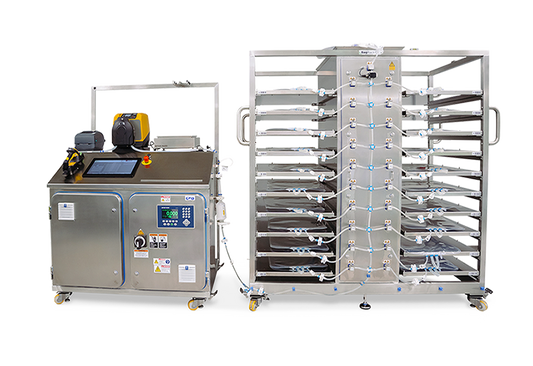
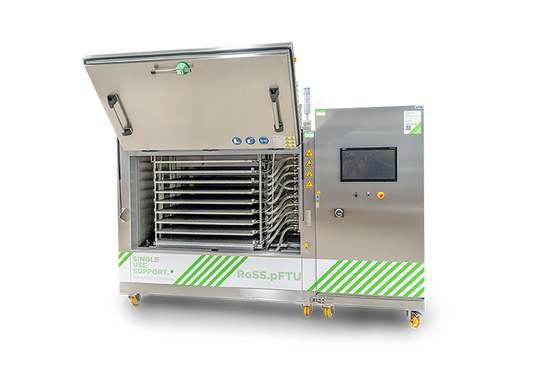
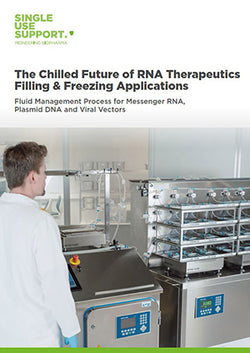
Operator in front of plate-based freezer for mRNA in single-use bags, using ipad.

Why Single Use Support for mRNA manufacturing?

Product integrity challenges?

Uncontrolled freezing can impact the quality of temperature-sensitive mRNA drug substances.

Green icon of configuration settings on a transparent background demonstrating controlled rate freezing and thawing in biopharma

Controlled recipe-driven freezing

mRNA specific freezing protocols can be performed with plate-based or blast freezers to control cooling rates and secure reproducible freeze-thaw performances down to -80 °C.

Facing high loss rates?

The production of mRNA is often hindered by high costs and inefficiencies stemming from lengthy and complex processes, product loss due to manual handling or bag breakages in cold chain handling.

Green icon of a checkmark symbol inside a shield demonstrating safe and efficient handling.

End-to-end protection

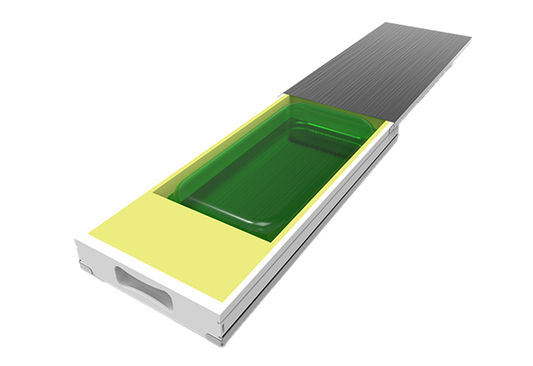
The RoSS® shell as protective shell for every tye and size of single-use bags in cold chain applications can considerably improve efficiency and process flexibility in mRNA manufacturing, as it reduces product loss due to bag breakages and maximizes product quality.

Inefficient filling processes?

mRNA manufacturing requires rapid and highly accurate aliquotation into single-use containers while minimizing contamination risks and product loss.

Green icon of a droplet and a protective shield on a transparent background demonstrating aseptic decoupling

Safe, accurate aliquoting

Automated aseptic filling into single-use bioprocess containers enables fast, accurate and contamination-controlled aliquotation.

Diagram of the mRNA manufacturing process from plasmid dna production, mrna production to formulation and fill-finish.

mRNA manufacturing process

For the producion of mRNA the starting material is most commonly plasmid DNA, such as in COVID-19 vaccines.

From production. purification and chromotography to formulation and fill-finish, there are several process steps that are involved in the manufacturing process of mRNA. These include aliquotation & filtration, freeze & thaw, ultra cold storage and shipment.

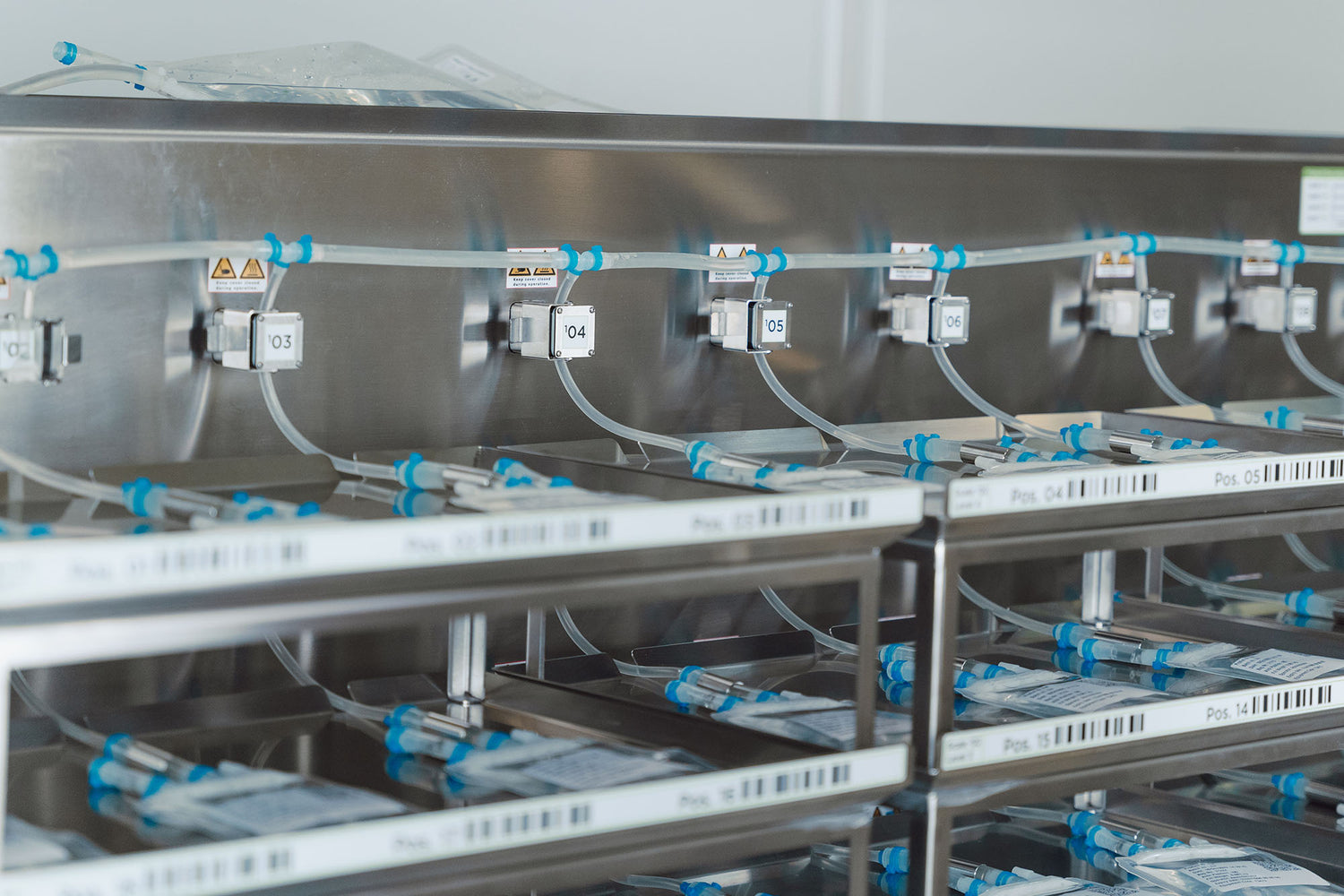
Close-up of small single-use bags during aseptic filling.

mRNA manufacturing solutions

Temperature plays a key role in the messenger RNA (mRNA) supply chain. Single-dose biotherapeutics and vaccines must be stored at temperatures similar to those used in clinical trials: -70°C.

Controlled cold chain integrity is required to optimize processes and protect biologics, such as mRNA, from loss or degradation due to temperature fluctuations.

Preview of an app note about filling and freezing of RNA therapeutics

DOWNLOAD APP NOTE

The Chilled Future of RNA Therapeutics Filling & Freezing Applications - App Note

This application note explores scalable, GMP-compatible solutions for the sterile filling and cryopreservation of mRNA, pDNA, and viral vectors. It presents modular technologies that ensure temperature control, minimize product loss, and support high-accuracy aliquotation - paving the way for efficient commercialization of RNA-based therapeutics.

  • Freezing mRNA: best practice

    Freezing mRNA is a crucial step in messenger RNA manufacturing, balancing product quality, cost-effectiveness, process safety, and efficiency. Traditional methods can be inefficient and error-prone, while there are innovative solutions that can bring several advantages both for biopharma processes and the resulting products. This article discusses best practices in freezing mRNA, including different freezing methods, the role of cryoprotectants, the impact of repeated freeze-thaw cycles on mRNA, the characterization of mRNA stability and a comparison of lyophilization, blast freezing, and plate freezing methods. Finally, we will explore the latest single-use technologies for plate freezing mRNA to provide insights to optimizing mRNA manufacturing processes. Freezing & Thawing Platform for mRNA Special attention to freezing mRNA Freezing mRNA is vital for maintaining the efficacy of mRNA-based products, such as the mRNA vaccines used in the pandemic for Coronavirus (COVID-19). The process requires advanced advanced technologies to ensure the viability of mRNA molecules. Biomanufacturers adhere to strict regulations on freezing and storage conditions to meet GMP relevant quality requirements. Research conducted in the USA revealed that the mRNA quality of Comirnaty and Spikevax vaccines remained stable, even after a month of re-freezing and storage at temperatures of -20 °C or -80 °C. Biomanufacturers are well advised to optimize the cold chain process, thereby minimizing vaccine wastage. [[1]] Thus, appropriate manufacturing processes, including equipment and regulatory compliance, are not only crucial in Coronavirus (COVID-19) mRNA vaccine storage, but for mRNA storage in general. [[1]] mRNA technology – simply explained What to consider when freezing mRNA The process of freezing mRNA may sound simple, but it requires careful attention to a variety of factors. From choosing the right cryoprotectants to understanding the implications of repeated freeze-thaw cycles, freezing mRNA is a nuanced procedure that demands a deep understanding of the biological and physical properties of mRNA. Cryoprotectants and their role in mRNA freezing Cryoprotectants, including phosphate-based compounds, are vital in mRNA freezing, especially when encapsulated within mrna-lipid nanoparticles (LNPs) that may contain ionizable lipid and protect the delicate nucleic acids. These substances safeguard the product during freezing, preventing potential damage that could compromise mRNA stability and effectiveness. The right selection is critical, as different types can have varying effects on LNPs and mRNA and mitigate the risk of hydrolysis. In essence, cryoprotectants such as tris (tromethamine) and their evaluation through assays play a key role in preserving the integrity of mRNA and LNPs during freezing, significantly contributing to the success of mRNA-based synthesis products. Additionally, cryoprotectants can help to avoid the formation of ice crystals, which may affect the antibody binding sites on the encoding mRNA proteins, potentially impacting the immune response and enzymes generated by the vaccine. Read more: Regulations for Cryoprotectants in ATMP Cryopreservation [[2]]  Pros and cons of LNPs in mRNA delivery – read more Repeated freezing and thawing – does it impact mRNA and the genome? The integrity of mRNA could be compromised by multiple freeze-thaw cycles, especially in the case of mRNA-based Covid-19 vaccines such as those produced by Pfizer-Biontech and Moderna. These vaccines use lipid nanoparticles (LNPs) for encapsulation. Understanding how freeze-thaw cycles affect these non-viral vector-based vaccines on a molecular level, specifically in the context of SARS-CoV-2, including the stability of mRNA delivery and the process of transcription, is still an ongoing investigation. This emphasizes the need for scientists to further investigate mRNA vaccines' integrity and efficacy in both in vitro and in vivo settings. [[3]] Furthermore, the choice of appropriate freezing solutions, such as natural cryoprotectants, and maintaining the right pH using phosphate-buffered saline (PBS) can potentially mitigate the effects of freeze-thaw cycles on mRNA stability. [[3]]  Cost effectiveness and process safety Achieving cost-effectiveness and process safety in mRNA manufacturing is a balancing act. Costs can rise due to storage temperature requirements, freezing equipment and energy demands, while process safety is paramount to avoid mRNA degradation and subsequent health risks. Single-use technologies present a remedy by lowering costs and minimizing the chance of cross-contamination, thereby enhancing both efficiency and safety in the production of mRNA. Single-use bioprocessing – why the switch pays off Different freezing methods for mRNA-based drug products As we delve deeper into the realm of mRNA-based therapeutics like Covid-19 vaccines, it is essential to highlight the variety of freezing methods and the formulation considerations that play a pivotal role in preserving the integrity and efficacy of mRNA. From the commonly employed blast freezing to the use of lyophilization, and the emerging technique of plate freezing, the choice of freezing method and the corresponding formulation can significantly impact the overall mRNA storage and use. Blast freezing mRNA Blast freezing is a commonly used technique for mRNA preservation, utilizing the circulation of cold air around frozen samples to keep them at ultra-low temperature. This method aids in maintaining the integrity of mRNA, though it necessitates the use of specialized, high-priced freezers and could potentially result in the formation of larger ice crystals that might damage the mRNA. Particularly when using bottles as primary packaging, the efficiency and effectiveness of controlled blast freezing makes it an essential tool in ensuring the stability and efficacy of mRNA-based pharmaceuticals. mRNA and lyophilization Lyophilization – or freeze drying – involves removing water from a product by first lowering temperature before lowering pressure. Any water present (now in a frozen state) can be removed via sublimation, which means that the ice directly passes to the gas phase. Beneficial for long-term storage, it allows mRNA to be stable at room temperature, negating ultra-cold storage needs. However, it is time-consuming, requires specialized, expensive equipment, and poses a risk of contamination, product loss and mRNA degradation. [[4]] [[5]] Plate freezing of mRNA Plate freezing involves placing mRNA samples between two extremely cold plates, allowing for fast and controllable freezing rates. This method offers precise control over the freezing process, crucial for mRNA integrity and maintaining immunogenicity. Plate freezing can help to avoid damaging effects that traditional freezing methods can have on mRNA products. For instance, this approach to freezing provides a significant advantage in avoiding the concentration effect, serving as an alternative to blast freezing. The precision and speed of plate freezing make it an attractive option for mRNA preservation – several mRNA manufacturers rely on this technique. Comparison: Lyophilization vs. blast freezing vs. plate freezing A comparison of freezing methods and their impact on shelf life, quantification, statistical analysis, and reconstituted samples can provide valuable insights into the efficacy and integrity of mRNA preservation. Lyophilization, blast freezing, and plate freezing each bring their unique advantages and drawbacks to the mRNA preservation process. Lyophilization, or freeze drying, is notable for enabling long-term storage at room temperature, a considerable advantage for logistical purposes. However, it is a time-consuming method requiring specialized, costly equipment and can risk product loss through mRNA degradation if not managed properly. Methods of bulk freezing – read more Blast freezing, on the other hand, provides steady freezing. Unless the blast freezing of mRNA in bottles is controlled, the slow freezing can lead to a risk of cryoconcentration and mRNA degradation, for example during phase transtition.  Plate freezing, however, shows significant differences with fast and controllable freezing rates. It provides a high degree of control over the freezing process with mRNA in single-use bags, reducing the risk of mRNA degradation and cryoconcentration. While it does require specialized equipment, the increased control over the process and the potential for better mRNA preservation make it a highly advantageous and beneficial method for mRNA freezing. Best practice: Plate freezing mRNA with single-use technologies In the realm of mRNA freezing, plate freezing coupled with single-use bioprocess containers emerges as a best practice, which is why plate freezers like those provided by Single Use Support are frequently used by mRNA manufacturers. The technique of plate freezing allows for fast, controllable freezing rates, significantly reducing risks associated with cryoconcentration and mRNA degradation.Single-use technologies in mRNA manufacturing minimize the risk of cross-contamination and improve product viability, both key factors for maintaining the integrity of high quality mRNA in healthcare settings. Moreover, they offer a streamlined, automated process which reduces manual intervention, hence improving process safety. Importantly, single-use technologies can bring cost efficiencies by eliminating the need for cleaning and sterilization, and by reducing the overall footprint of the manufacturing setup.Recognizing the myriad advantages of this approach, companies like Single Use Support have specialized in providing solutions that leverage plate freezing and single-use technologies. Their solutions address the key needs of the industry – cost-effectiveness, safety, speed, and automation –, making them a go-to choice for advanced messenger RNA manufacturing solutions. Freeze & Thaw Platform – learn more [[download-1-email-detailed]] References COVID-19 mRNA Vaccines Preserve Immunogenicity after Re-Freezing, http://dx.doi.org/10.3390/vaccines10040594, Published 2022-04-13 Delivering the Messenger: Advances in Technologies for Therapeutic mRNA Delivery, http://dx.doi.org/10.1016/j.ymthe.2019.02.012, Published 2019-02-19 Addressing the Cold Reality of mRNA Vaccine Stability, http://dx.doi.org/10.1016/j.xphs.2020.12.006, Published 2020-12-13 Lyophilization provides long-term stability for a lipid nanoparticle-formulated, nucleoside-modified mRNA vaccine, http://dx.doi.org/10.1016/j.ymthe.2022.02.001, Published 2022-02-04 Microencapsulation of Oils: A Comprehensive Review of Benefits, Techniques, and Applications. Comprehensive Reviews in Food Science and Food Safety. p. 143-182, https://, Published 2015

    READ MORE
  • mRNA vaccines: How to safely ship and store them

    In the past few years, awareness of the mRNA vaccine supply chain has increased considerably, both in the pharma industry and among the wider public. These vaccines, including lipid nanoparticles and other components, require the highest level of diligence during transport and storage. Single Use Support has therefore made great efforts to develop solutions for cold chain management as well as in fluid transfer, to achieve maximum safety when shipping and storing biologics such as mRNA and lipids, another important raw material of these somewhat new vaccines.  mRNA plays a key role in the process of protein synthesis, when information stored in the DNA is transported out of a cell’s nucleus. This information contains the instructions needed to produce proteins. Now, this biological mechanism has been adopted and utilized by biotech, e.g. in vaccine production. Numerous manufacturers have joined the US government’s initiative “Operation Warp Speed” for working in partnerships to develop new vaccine formulations to facilitate mass immunization against Covid-19. mRNA vaccine supply chain The supply chain for mRNA vaccines must fulfill several criteria to ensure maximum product quality (e.g. the World Health Organization’s requirements for ultra cold temperature storage and transport of vaccines); therefore, it is essential to meet these regulatory conditions at all times. However, it is not sufficient to optimize the delivery process alone, as the preparations for transport begin at the manufacturer’s site. Temperature plays an important role in the mRNA supply chain, as single vaccine doses must be kept at temperatures similar to those used in their clinical trials: -70 °C. To achieve consistency in the cold chain, which often is not equipped to deal with such low temperatures, optimization is necessary to protect pharmaceuticals and biologics from variations in temperature and must be achieved even before these products leave the manufacturer. Rapid and scalable manufacturing (including logistics) can help avoid shortages in Covid-19 vaccine supply.   How to safely freeze & thaw monoclonal antibodies? Safe shipping and storage of mRNA vaccines through single-use technology Single Use Support has developed novel single use technologies required for the transport of mRNA vaccines during the manufacturing process – from freeze-thaw technology and a safe cold chain shipping solution to integrity testing of pharmaceutical compounds.  Solutions such as the single-use bag protection RoSS Shell or the freezers from the RoSS.pFTU range are just some examples of the innovations developed by Single Use Support that provide integrity for the mRNA vaccine supply chain, beginning with the manufacturing process itself.   Controlled mRNA filling, filtration, and freezing for safe shipping To ship RNA-based vaccines to Fill & Finish sites, where they are filled into single-dose vials at room temperature, they first need to be carefully filled into suitable bioprocess containers. As a solution in bulk production, with the ability to carry out filtration and fill a maximum of 300L per hour (necessary when coping with the scale-up of manufacturing capacities), RoSS Fill & Drain delivers a fully scalable platform to start the transport process, which is followed by the freezing of the single-use bags employed. [[download-1-email-detailed]] Considering the requirement in vaccine manufacturing for fast freezing procedures to achieve maximum product quality, plate freezing technology within the cold chain offers numerous benefits compared with conventional freezing. Achieving temperatures as low as -80 °C, RoSS.pFTU was developed as a fully automated plate-based freeze-thaw system that provides indefinite scalability as well as flexibility, being compatible with single-use bags from all established manufacturers. It not only enables safe and fast freezing but also controlled thawing. Freeze & Thaw Solutions   Ensuring quality standards from Upstream to Fill & Finish: Secure thaw and drain processes for mRNA vaccine production Once the consumables reach a fill & finish site, they cannot simply be removed from the refrigerator and poured into vials. Instead, their cautious freezing (vital when dealing with lipid nanoparticle-formulated mRNA vaccines) must be followed by an equally sensitive thaw and drain process. With the aim of allowing a seamless merging of these two steps in the mRNA vaccine supply chain, by maintaining the same high standard throughout the entire process, RoSS.pFTU is designed as a platform that unites both freezing and thawing in a single device. This freeze and thaw platform offers full control over the prevalent temperature in order to adequately handle the individual requirements of different consumables. Subsequently, the draining process means the end of the supply chain is drawing near. From here on, single vaccine doses are further transported prior to being drawn up in a syringe and administered. Shipping and storing mRNA vaccines – additional protective measures & ultra-cold storage As a further measure to ensure consistency throughout the entire shipping and storing process and to maximize shelf life of mRNA vaccines, Single Use Support has developed specialized shipping containers. These containers provide protection for protective single-use bag shells such as RoSS Shells, allowing transport temperatures of less than -60°C for at least 6 days with the use of dry ice. An additional element Single Use Support has developed to ensure a secure supply chain for biologics, including vaccine delivery at adequate storage conditions, is RoSS.ULTF, designed to provide ultra-cold storage temperatures required for the transport of many therapeutics. With a capacity of up to 300L and being stackable to achieve the greatest storage density, it allows a seamless transition from plate freezing to the thawing process, with the aim to maximize vaccine stability. More about that topic: Pharmaceutical cold chain management Cold chain logistics with single-use bags Basic principles of mRNA vaccines In order to understand why huge effort is taken by the pharma industry to provide optimal storing and shipping conditions of mRNA vaccines, one has to take a look at their fragile nature as well as their enormous potentials. mRNA vaccines have emerged as a groundbreaking tool in the fight against pathogens and the ever-evolving variants they produce. Utilizing the unique properties of mRNA molecules, these vaccines have revolutionized the way we stimulate immune responses. mRNA, or messenger RNA, is a type of nucleic acid responsible for encoding genetic information from the genome into proteins. In the context of vaccines, mRNA is used to instruct cells to produce a specific antigen (e.g. based on the spike protein in SARS-CoV-2), which activates immune cells and triggers an immune response. The in vivo delivery of mRNA is prepared in vitro, with specialized enzymes ensuring its stability and proper function. To initiate the process, the desired mRNA sequence, encoding the antigen, is synthesized. The mRNA molecules are then encapsulated within lipid nanoparticles or other delivery systems to protect them and facilitate their entry into target cells’ cytoplasm. Within the intracellular space, the mRNA is recognized by the cellular machinery responsible for transcription and translation. The mRNA is translated into amino acids, leading to the production of the antigen. This antigen is displayed on the cell membrane, triggering an immune response and the production of specific antibodies. mRNA delivery vehicles The delivery of mRNA is a critical aspect of mRNA-based therapeutics and vaccines. Among the various delivery systems available, lipid nanoparticles (LNPs) have emerged as a promising mRNA delivery vehicle. LNPs are non-viral delivery systems with components like ionizable lipids, peptides, cationic lipids or cholesterol. These components work together to encapsulate and protect mRNA during delivery. LNPs can be lyophilized (i.e. freeze-drying) and reconstituted, but also frozen via plate freezing, allowing for easy storage and transportation. One key advantage of LNPs in gene delivery is their ability to undergo endocytosis, the process of cellular uptake. Once inside the cell, LNPs are enclosed in endosomes. To ensure efficient release of mRNA into the cytoplasm, LNPs utilize ionizable lipids that respond to the acidic endosomal environment, triggering endosomal escape. This escape is crucial to prevent mRNA degradation by endosomal nucleases. The particle size of LNPs also plays a crucial role in their effectiveness. Optimal particle sizes facilitate efficient uptake by target cells while minimizing clearance by macrophages. While LNPs offer advantages such as high delivery efficiency and reduced toxicity compared to viral vectors, there are still challenges to overcome. Achieving the right balance between efficient cellular uptake and minimizing side effects requires careful selection of components and formulation optimization. Viral vectors, such as plasmid-based vectors, provide efficient delivery but carry the risk of insertional mutagenesis and potential activation of host immune responses. As a result, non-viral delivery systems like LNPs have gained attention for their safe and effective RNA delivery capabilities. mRNA therapeutics – promising in multiple applications mRNA therapeutics have proven to be a versatile tool, extending beyond infectious diseases and showing great potential in various fields of application, including gene therapy, cancer therapy, and drug delivery. In the realm of gene therapy, mRNA technology has opened new avenues for the development of mRNA-based therapeutics. By utilizing the unique characteristics of mRNA, such as its ability to encode proteins and stimulate immune responses, researchers can target specific cell types and deliver therapeutic molecules. This approach allows for the precise transfection of cells, enabling the treatment of various genetic disorders and diseases. In the field of cancer therapy, mRNA has shown promise in the development of cancer vaccines. By encoding specific antigens, RNA vaccines can train the immune system to recognize and attack cancer cells. This approach activates T cells and stimulates immune responses, aiding in the fight against melanoma and other types of cancers. Additionally, mRNA therapeutics can be used to target dendritic cells, key players in the immune response, further enhancing the efficacy of cancer immunotherapy. Furthermore, the flexible character of mRNA technology allows for efficient drug delivery. Through modifications to the mRNA sequence, researchers can deliver therapeutic molecules directly to target cells, bypassing potential barriers and enhancing the effectiveness of treatment. This approach holds promise for a wide range of diseases and conditions, offering new possibilities for personalized medicine and targeted therapies. The Covid-19 vaccine: mRNA vaccines on the rise In attempting to tackle the coronavirus pandemic and its global threat to public health, already early case studies of vaccine candidates have foreshadowed mRNA vaccines as a promising approach in the fight against SARS-CoV-2, the virus that causes Covid-19. Following unprecedented technology transfer as well as national programs such as Operation Warp Speed to support vaccine development, the US Food and Drug Administration (FDA) began to authorize some vaccine candidates for emergency use, which led to an increase in production capacities. Since then, the newly developed vaccines against the coronavirus disease have brought a highly desired easing of the stress on healthcare systems worldwide, thanks to a range of (not only mRNA-based) products available from various manufacturers, like the Pfizer-Biontech vaccine or the Moderna vaccine based on messenger RNA. With initiatives such as COVAX in place to support global vaccine distribution, stakeholders will need to further optimize the supply chain for mRNA vaccines. Single Use Support is ready to assist stakeholders in facing these challenges.   Applications for mRNA vaccine handling

    Read more
  • Filling, Filtering & Dispensing mRNA

    Advancing fluid management with single-use technology Fluid management is a cornerstone in mRNA manufacturing and therapeutics, where maintaining product quality and safety is of utmost importance. Advances in mRNA technology have revolutionized the field of biopharmaceuticals, particularly in the development of mRNA vaccines, like the Covid-19 vaccine and therapeutics for cell therapy or gene therapy. As the demand for messenger RNA-based products continues to rise, efficient fluid management plays a crucial role in ensuring the high-quality production of mRNA drug products. This article is about challenges and the latest advancements in fluid management techniques, focusing on filling, filtering, and aliquoting mRNA during the manufacturing process. Challenges in fluid management of mRNA Fluid management of drug substances presents several challenges in mRNA production. Handling and maintaining the quality of biologics throughout the manufacturing process can be complex. Proper control of more technical fluid parameters, such as temperature, pressure, and flow rates, is crucial to ensure the integrity and stability of RNA drug substances. Dispensing the exact amount of liquid is an important aspect in filling mRNA. Small-volume single-use bags are often mixed with just an additional solution and given directly to the patient - the amount of active ingredient in the single-use bag is therefore crucial for the health of the patient. Another significant risk during fluid management is contamination, potentially compromising the quality and safety of mRNA drug substances. Maintaining aseptic conditions, implementing proper cleaning and sterilization procedures, and utilizing high-quality materials are essential to mitigate contamination risks. Furthermore, filling processes must meet stringent GMP or cGMP quality standards and guidelines including Annex 1 defined by the Food and Drug Administration (FDA) to ensure the highest level of safety, quality, and efficacy of mRNA drug substances. To be ready for cGMP use requires robust documentation, validation of equipment and processes, and thorough quality control measures. Finally, scalability is an issue for commercial production - as demand for mRNA products increases, the scale-up of fluid management processes becomes crucial. Scaling up vaccine production from clinical trials to commercialization while maintaining consistent product quality and meeting regulatory standards can be challenging. When scaling-up mRNA production it is also important to consider the associated RNase contamination. At Single Use Support, we have been working intensively for years on safe and efficient handling of bulk drug substances. Our modular automated aseptic filling platforms are leading fluid management technologies in all processes during vaccine manufacturing. Note, that our area of responsibility lies before the final fill-finish into vials. Fill & Filtration Solutions for mRNA Dispensing of mRNA into bioprocess containers Filling mRNA into suitable bioprocess containers ensures in best cases precise dosing during manufacturing. Various techniques, including automated systems, are employed to achieve optimal filling accuracy. The modularity of the filling systems from Single Use Support allows quantities to be dispensed according to the individual requirements from the respective area. mRNA can be filled precisely in the milliliter range with RoSS.FILL Lab Scale. We can fill very small bags with filling volumes from 3mL to 100mL with a flow sensor (measures the flow of liquids) - and from 20mL with gravimetric technology (measures the filled bags on scales). An aseptic filling approach is necessary because mRNA products must remain sterile until they reach the patient. Any contamination during the filling process could compromise the effectiveness of the drug and pose a significant risk to patient safety. Automation helps to reduce risks of deviations in the aseptic filling process. Human intervention is often the biggest risk factor for contamination. Despite stringent protocols and cleanroom environments, with open manual handling there's still a risk of human error, even when operators are highly trained. The introduction of closed systems has revolutionized aseptic filling processes, offering a solution to minimize the risk of contamination. A closed system is an aseptically sealed environment that ensures mRNA therapeutics are produced, filled, and sealed without exposure to the external environment. This significantly reduces the risk of contamination. mRNA Filtering Methods Filtration is a critical step in mRNA production to remove impurities and contaminants. Different filtration methods, such as depth filtration and membrane filtration, are employed to achieve high-quality mRNA. Rigorous quality control measures and aligning with regulatory guidelines are crucial during filtration. With the recently effective regulation of Annex 1, PUPSIT (Pre-use Post Sterilization Integrity Testing) is also recommended for additional assurance of the highest quality and contamination-free performance. In addition, filtration and purification is a also a big challenge in RNA associated therapies, such as oligonucleotide manufacturing, where it can reduce manufacturing yield drastically. Advances in mRNA-Manufacturing Fluid Management Recent technological advancements in biotechnology have further enhanced fluid management in mRNA production, contributing to the overall efficiency and quality of the process.  Advances through single-use technology Single-use technology offers scalability, safety, and consistency in managing fluids in mRNA manufacturing. With the utilization of single-use bags, the risk of cross-contamination is significantly reduced, and the scalability of the production process is improved. It also provides the additional benefit of decreased downtime as cleaning and validation of reusable equipment is no longer needed. Read more about single-use technology in mRNA manufacturing Automated, Closed Systems Automation plays a vital role in fluid management by reducing human error and increasing throughput. Automated, closed systems have gained prominence, offering benefits such as improved process control, reduced contamination risks, and enhanced scalability. These systems integrate seamlessly into mRNA manufacturing, enabling precise fluid management throughout large-scale production. Quality Control and Monitoring Systems Real-time monitoring and advanced quality control systems are crucial for ensuring product integrity and consistency during fluid management. Continuous monitoring of critical parameters allows for immediate detection and correction of any deviations. These systems contribute to the production of high-quality mRNA, meeting regulatory requirements and ensuring patient safety. Solutions from Single Use Support meet the requirements of 21 CFR part 11 by documenting all data electronically and providing automated reports. Solutions for mRNA Filling and Fluid Management Single Use Support offers customer-oriented solutions specifically designed for efficient fluid management in mRNA manufacturing. The end-to-end solutions ensure that the filling process is not only efficient but also precise, accurate, and secure, addressing cGMP requirements. Centerpiece is an automated and modular fill & filtration system that leverages single-use technology to provide a closed, aseptic environment for filling processes. This solution eliminates human error and significantly reduces the risk of contamination. The filling of mRNA or lipid nanoparticles (LNPs) is fully automated via the RoSS.FILL platform, distributed by single-use assemblies into single-use bags, which are protected in single-use shells. During the filling process, speed and pressure can be controlled and specifically set. By means of RoSS.PADL additional homogenization and temperature control is possible. Filling mRNA in single-use bioprocess containers is the initial point for further stages in the manufacturing process such as freezing, storage or transport of the single-use bags safeguarded in a single-use shell.  By investing in advanced fluid management solutions from Single Use Support, pharma manufacturers or CDMOs can better equip themselves to navigate the rapidly evolving landscape of mRNA therapeutics. As the industry continues to advance, the importance of efficient and safe fluid management will remain a central focus of successful and safe mRNA manufacturing. Fill & Filtration Platform for mRNA

    READ MORE

Talk to an expert